Content
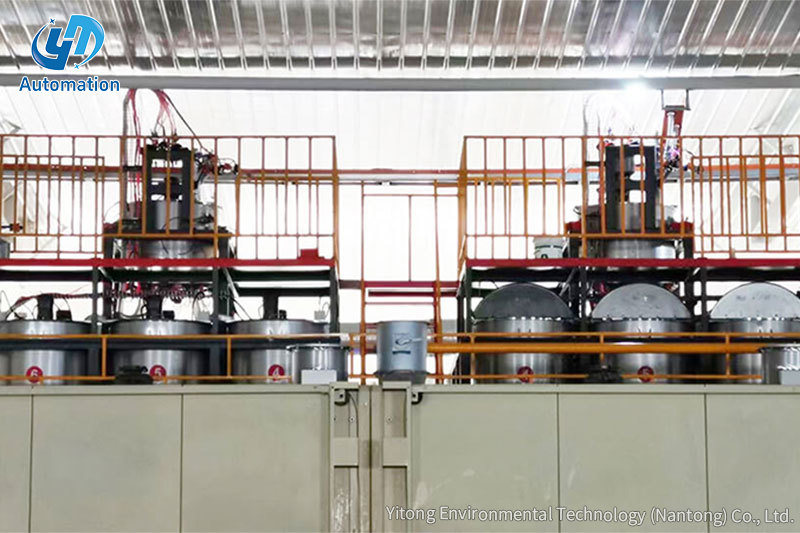
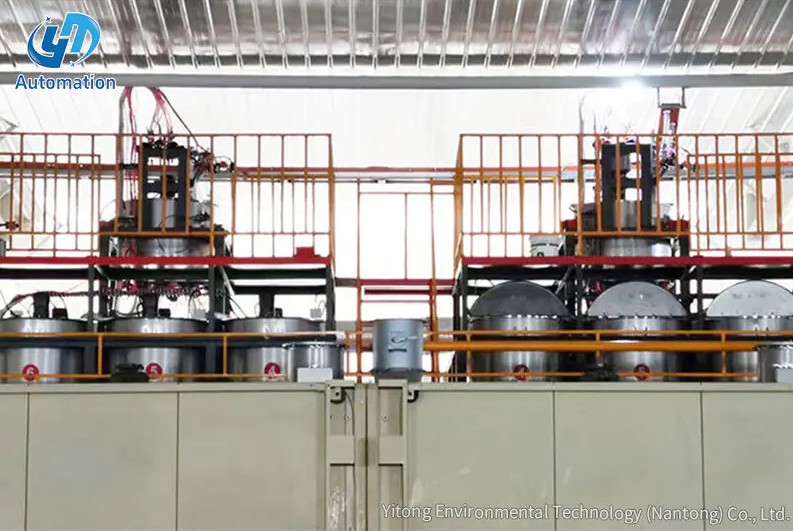
In the competitive landscape of industrial manufacturing, the precision of chemical preparation is no longer a luxury—it is a baseline requirement. An Intelligent Glue Mixing System represents a significant leap from manual batching to automated precision. Traditionally, workers had to manually calculate ratios and mix resins with additives, a process prone to human error that directly impacted the quality of the final impregnated or coated product. By integrating a centralized, automated system, manufacturers can now ensure that every gram of resin meets exact specifications before it reaches the production line.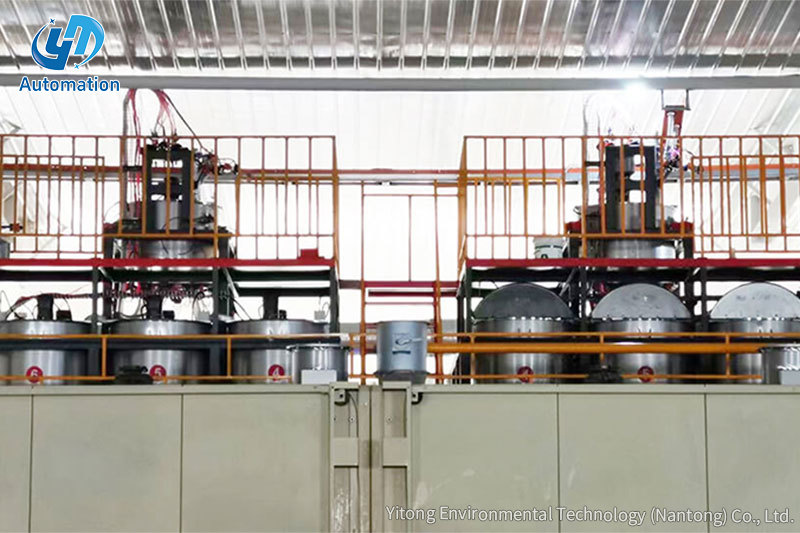
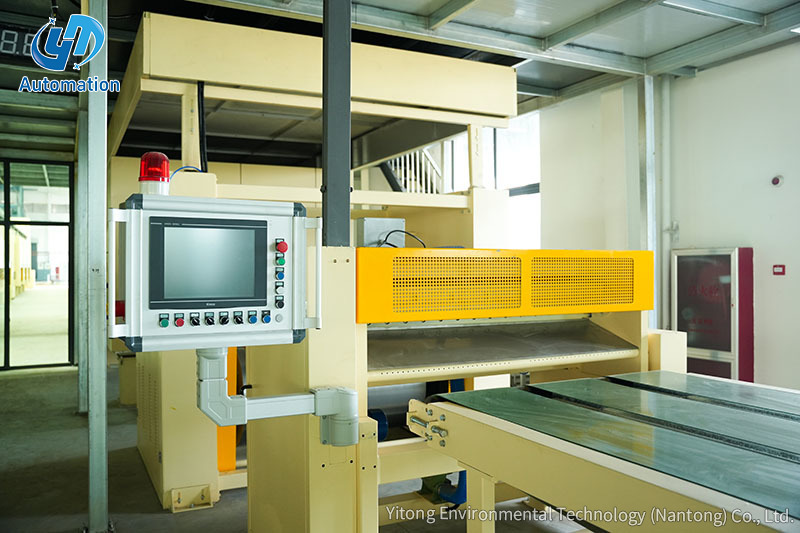
This system acts as the "brain" of the coating line, managing the complex logistics of raw resin and various chemical additives. Whether you are operating an impregnation station, a high-speed spraying machine, or a delicate secondary coating unit, the intelligent mixer adjusts its output to match the specific chemical requirements of each stage, providing a seamless flow of materials without manual intervention.
One of the most significant advantages of an intelligent system is its ability to supply different "recipes" to multiple sections of a production line simultaneously. Not all glue requirements are equal. For instance, the resin viscosity needed for an initial impregnation bath differs significantly from the adhesive properties required for a secondary coating machine.
The system extracts raw resins and additives in specific ratios based on pre-programmed logic. For example, a standard configuration might look like this:
By using high-precision flow meters and sensors, the system ensures that the deviation in mixing ratios remains below 0.5%, a level of accuracy that manual mixing simply cannot achieve.
To understand the return on investment (ROI), it is essential to compare the traditional approach with an automated intelligent system. The following table highlights the operational improvements seen in facilities that have upgraded their technology.
| Feature | Manual Mixing | Intelligent System |
|---|---|---|
| Ratio Accuracy | High Margin of Error | ±0.5% Precision |
| Material Waste | Significant (Over-mixing) | Minimal (On-demand supply) |
| Labor Cost | High (Constant Supervision) | Low (Automated Monitoring) |
| Consistency | Batch-to-Batch Variance | Continuous Stability |
Waste is one of the largest hidden costs in coating and impregnation lines. When glue is mixed in large, manual batches, any downtime in the production line can lead to the resin curing in the tank before it is used. The intelligent glue mixing system solves this by implementing just-in-time dispensing.
By monitoring the levels in the glue pans of each machine, the system automatically triggers a new mixing cycle only when needed. This ensures that the resin remains fresh, maintaining optimal chemical properties for bonding and surface finish. In typical industrial applications, this transition can reduce raw material waste by 15% to 20% annually.
Yes, the intelligent glue mixing system is equipped with robust pumping mechanisms and heat-tracing options to maintain the flowability of high-viscosity resins, ensuring they are mixed thoroughly with additives.
Most standard systems are designed to handle between 3 to 8 different additives simultaneously, though custom configurations can be built to accommodate more complex chemical recipes.
Absolutely. The system features a modular design and PLC integration capabilities, allowing it to communicate with your existing spraying machines and impregnation stations for a fully synchronized production environment.
The system includes safety protocols that automatically seal valves and store the current mixing data. This prevents material contamination and allows the system to resume exactly where it left off once power is restored.
Contact Us
Recommended Products
Let’s Get In
Touch
Yitong Environmental Technology (Nantong) Co., Ltd is a manufacturer specializing in impregnation equipment.

Contact Us
Phone: 13073202297 / 13023568111(WhatsApp/Wechat)
Email: [email protected] / [email protected]
Add:No.369, Nanhai Road, Tongzhou Bay, Nantong, Jiangsu, China


 English
 中文简体
中文简体
 русский
 عربى
عربى