Content
An Impregnation Line works by systematically filling the air voids within electrical motor windings, coils, or other porous components with varnish or resin, then curing that filling material into a solid insulating mass. The process follows a defined sequence: preheat the winding to drive out moisture and open gaps between conductors, apply the impregnation medium through dipping, dripping, or vacuum-pressure methods, allow the medium to penetrate fully, and then cure in a baking oven to cross-link the resin into a hard, void-free insulation system. NACH Engineering confirms that impregnation lines are standard equipment in the motor and generator industry, used for impregnating coils of LT and HT motors and generators with varnishes or resins to improve insulation resistance, enhance overall performance, increase component life, and that the process is now considered mandatory in the electrical industry (Source: NACH Engineering, Resin Impregnation for Motor and Generator Industry). The most critical outcome of a correctly operated impregnation line is a near void-free insulation system that prevents moisture ingress, reduces coil vibration, and significantly extends the operating life of the electrical component.
Before an impregnation line processes a winding, the spaces between individual conductor wires within the coil slots are filled with air. Air is a poor conductor of heat and a poor electrical insulator at elevated temperatures, and it provides no mechanical bond between the individual wires of the winding. The result is a winding that overheats, vibrates internally, and is vulnerable to moisture-induced short circuits from the first day it operates.
Germana Motor's technical guide explains the specific performance improvements that impregnation delivers: filling the gaps within coil windings and bonding wires to each other and to surrounding insulating materials improves electrical strength, mechanical properties, thermal conductivity, and protective performance simultaneously (Source: Germana Motor, You Should Know About the Impregnation Varnish for Motor Windings). Godfrey and Wing's process documentation adds the anti-vibration benefit: the most common failure mode in motors is abrasion caused by vibration, which causes wear and chafing that eventually causes the winding to fail dielectrically, and having the winding fully encapsulated with impregnation resin acts as an adhesive between motor strands, reducing coil vibration and the wear it generates (Source: Godfrey and Wing, Understanding How Vacuum Pressure Impregnation VPI Works).
A patent for stator coil varnish impregnation describes the underlying risk that makes the process essential: in motors used in humid environments such as compressor motors in refrigerators or air conditioners, fluid including moisture can contact the coil winding and cause short circuits if the winding surface is not insulated, potentially causing motor failure or fire (Source: USPTO Patent 12542473, Varnish Impregnation Method of Stator Coil Winding). The impregnation line is the industrial system that applies and cures the protective coating consistently and at production volume.
An impregnation line is configured around one of three primary impregnation methods, each suited to different motor sizes, production volumes, and insulation performance requirements.
The dip and bake method immerses the preheated motor winding directly into a tank of varnish, allows it to soak until the accessible void spaces are filled, withdraws the winding, allows excess varnish to drain, and then bakes the assembly in a curing oven. NACH Engineering describes this configuration: the flood impregnation system consists of a varnish storage tank for cold storage and a dipping chamber, with motor windings assembled in a basket structure and kept in the dipping tank (Source: NACH Engineering, Resin Impregnation for Motor and Generator Industry). This method is suitable for low-voltage motors of low rating and for applications where the insulation demand is moderate. Its limitation is penetration depth: gravity and capillary action alone cannot reliably drive varnish into the deep slots and tight spaces of larger or more complex windings.
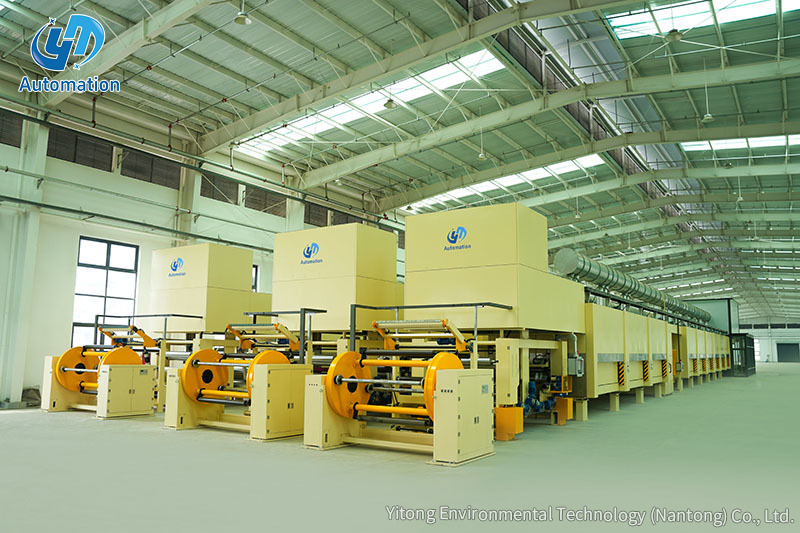
Vacuum pressure impregnation is the highest-performance method and the most widely used on modern impregnation lines for medium and high-voltage motors. HECO describes the process sequence: the preheated stator or rotor is lowered into the VPI pressure chamber and a vacuum is drawn; a resin with zero percent solvents is entered into the chamber; pressure is applied; and the submerged unit becomes thoroughly impregnated with the resin, achieving a 4 to 5 millimeter build of insulating resin and an almost void-free insulation system (Source: HECO, Insulating Electric Motors: VPI or Varnish Dip). MES Singapore's process documentation provides the step-by-step sequence: preheat the winding, lower it into the pressure chamber, seal the chamber, draw a vacuum, allow solventless epoxy resin to flow from the resin vessel into the chamber until the winding is fully submerged, apply pressure until the winding is extensively impregnated, remove from the chamber, and bake until resin is completely cured (Source: MES Singapore, VPI: Why Insulation Is Important For Your Motor Windings).
The vacuum step is critical because it evacuates the residual air from every void within the winding before resin enters. Without this step, trapped air forms bubbles within the cured resin that become sites of partial discharge and eventual insulation breakdown under operating voltage. Dreisilker Electric Motors confirms that capacitance is monitored during the VPI cycle to determine that resin fill is acceptable before the cycle is closed, providing a measurable quality indicator built directly into the process (Source: Dreisilker Electric Motors, 4 Types of Motor Winding Insulation Methods).
The trickle method, also called rotary impregnation, rotates the stator on a horizontal axis while heated, and drips resin onto the winding ends as it turns. Lamnow's technical description of the process explains the penetration mechanism: varnish drips onto the winding ends and penetrates the internal windings and slots under the combined effect of gravity, capillary action, and centrifugal force generated by the rotation (Source: Lamnow, Six Motor Winding Impregnating Varnishing Methods). NACH Engineering confirms that this method is used for quick production cycles with minimal or no wastage of resin, making it particularly suited to high-volume production of smaller standardized motors where throughput is the primary production concern (Source: NACH Engineering, Resin Impregnation for Motor and Generator Industry).
| Method | Penetration Quality | Best Application | Key Advantage |
| Flood dip and bake | Moderate, gravity-driven | Low-voltage motors, low rating | Simple equipment, low cost |
| Vacuum pressure VPI | Near void-free, 4 to 5mm build | Medium and high-voltage motors, form coil systems | Maximum insulation quality, eliminates air pockets |
| Trickle rotary drip | Good, enhanced by centrifugal action | High-volume production of standardized motors | Fast cycle, minimal resin waste |
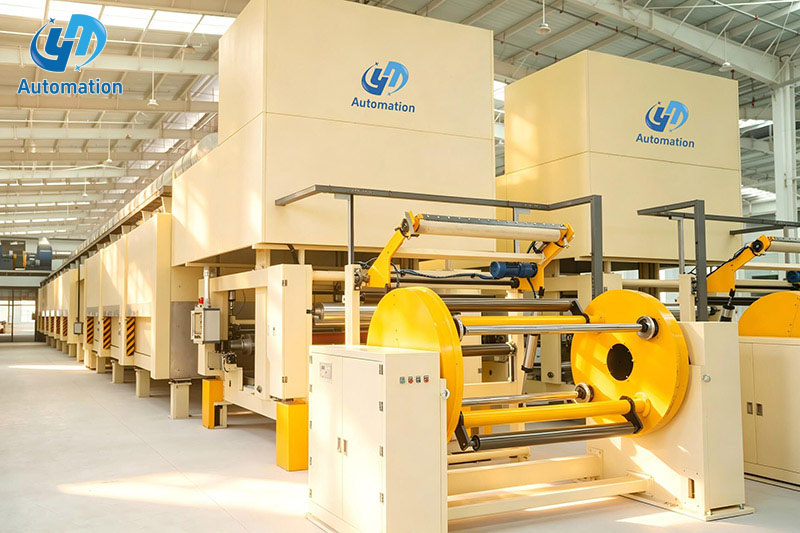
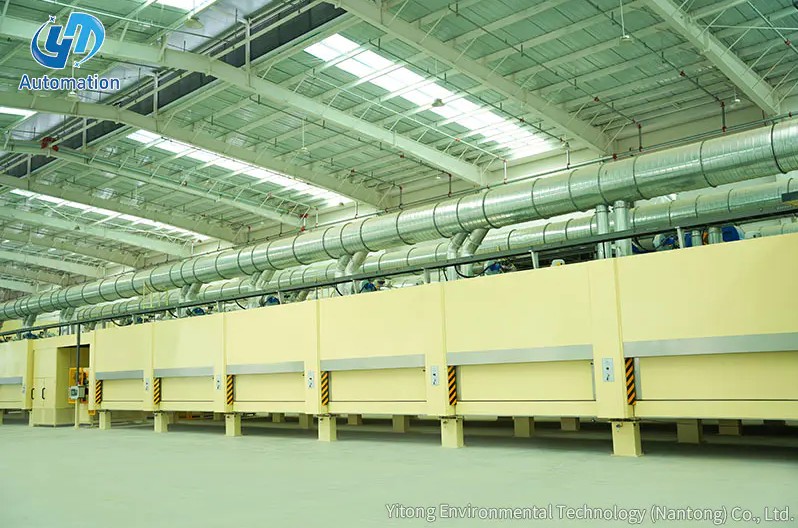
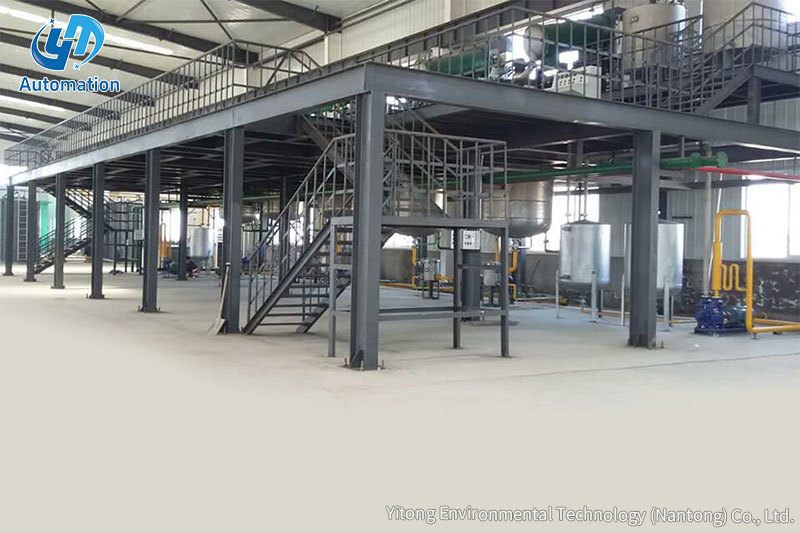
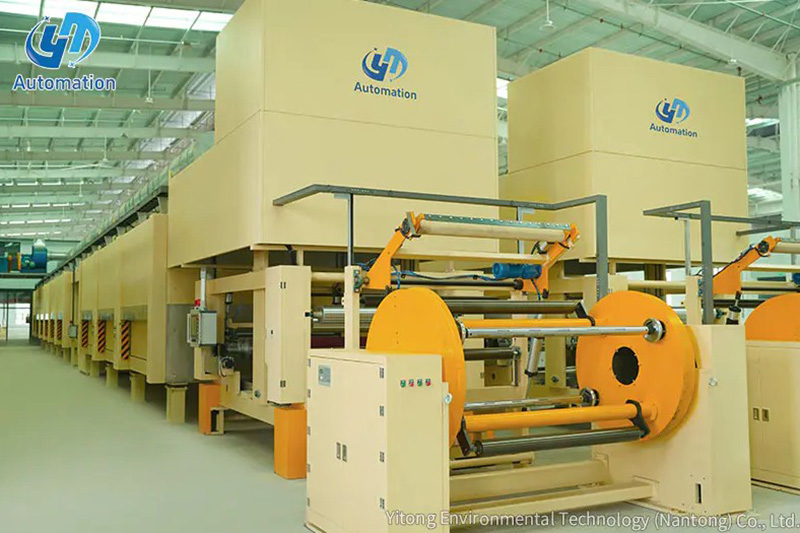
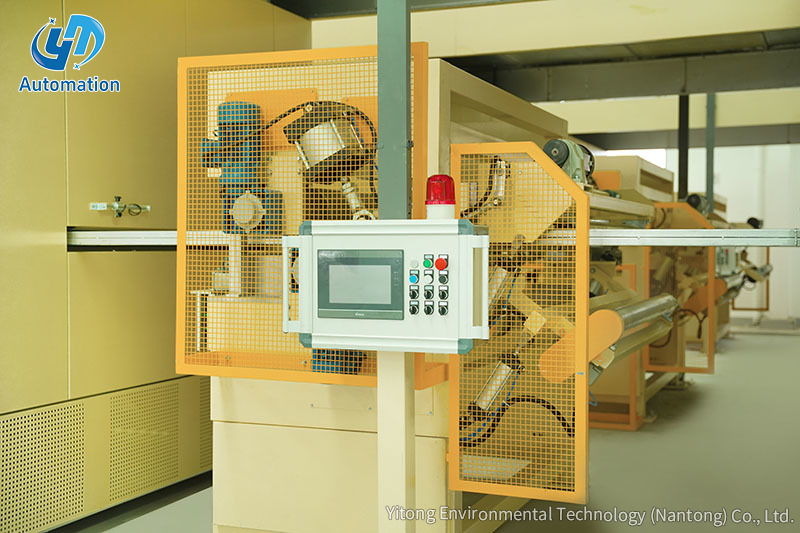
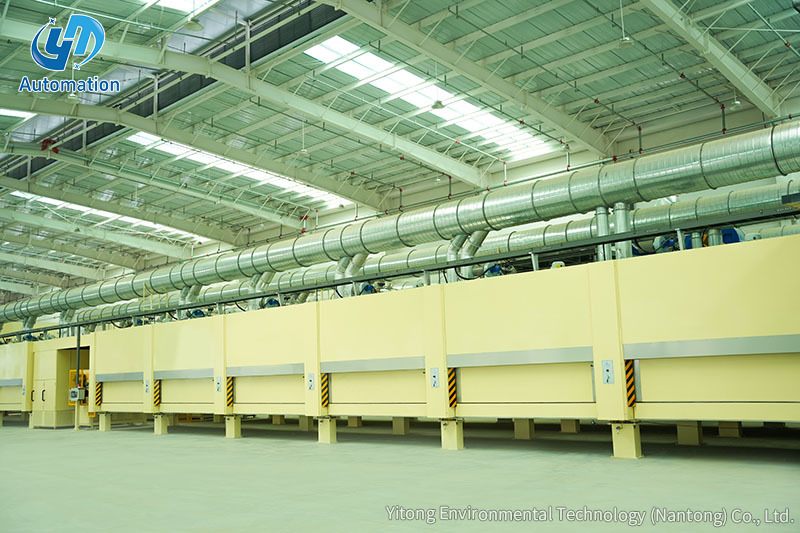
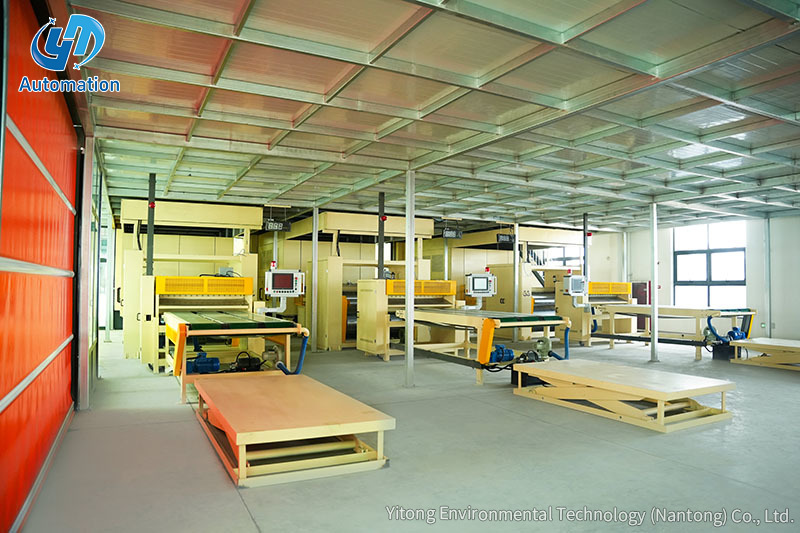
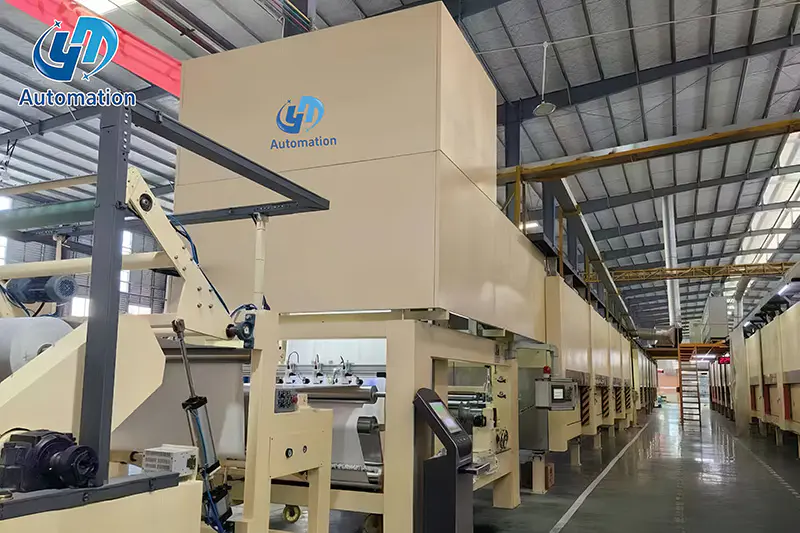
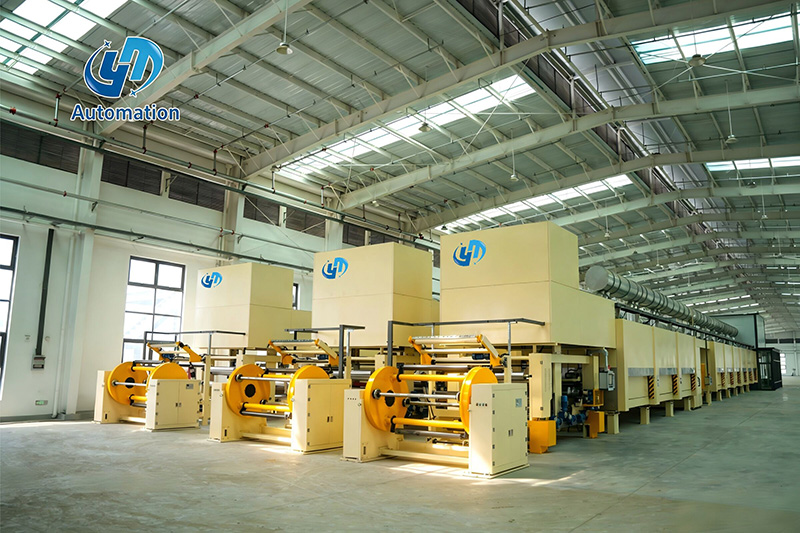
A production impregnation line integrates multiple sequential process stations into a continuous or batch-processing system. Each station performs a specific function in the overall treatment sequence.
The first station heats the motor winding or coil assembly to a defined temperature before it enters the impregnation medium. Preheating serves two functions: it drives residual moisture out of the winding, which would otherwise prevent resin adhesion and create voids in the cured insulation, and it reduces the viscosity of the resin on contact, improving penetration into tight gaps between conductors. MES Singapore's VPI process documentation confirms that preheating the winding is the foundational first step before the winding enters the impregnation chamber (Source: MES Singapore, VPI: Why Insulation Is Important For Your Motor Windings). Germana Motor confirms that the basic requirements for impregnation varnish include low viscosity and high solid content specifically to ensure good penetration and coating application, and that the preheating step facilitates this by warming the metal surfaces that the resin contacts (Source: Germana Motor, Impregnation Varnish for Motor Windings).
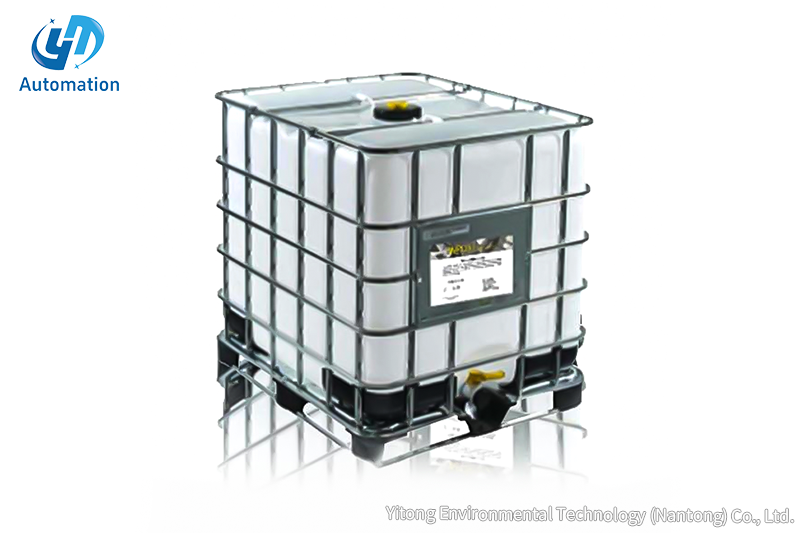
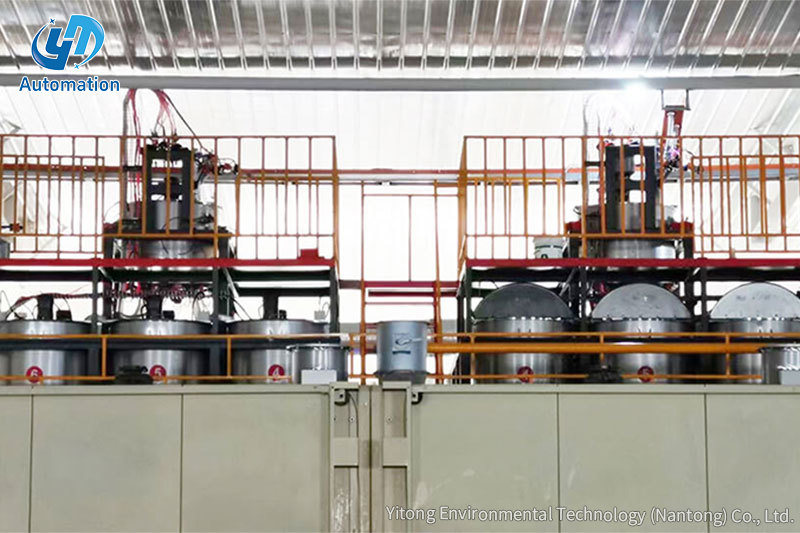
The impregnation station is the core of the line. For VPI lines, this is a sealed pressure vessel equipped with vacuum pump connections, a resin transfer system connected to a separate temperature-controlled resin storage tank, and pressure control instrumentation. For trickle impregnation lines, it is a rotation fixture with a controlled drip nozzle array and a catch tray that recirculates excess resin. For dip lines, it is the dipping tank with level control and a drainage rack above it. NACH Engineering's plant description notes that for VPI systems, resin can be forced with additional pressure for better penetration, and that after the specified time the resin is transferred back to the storage tank and stored in cold conditions to preserve its pot life (Source: NACH Engineering, Resin Impregnation for Motor and Generator Industry).
After impregnation, the winding is withdrawn from the medium and positioned to allow excess resin to drain before oven curing. In trickle impregnation lines, this station often includes a brief gelation heating step that partially cures the resin surface to prevent dripping and sagging during transport to the curing oven. Proper drainage and gelation control prevents resin puddles from forming around the winding ends that would require post-cure removal and could affect dimensional tolerances.
The curing oven completes the cross-linking of the impregnation resin into its final solid state. Time and temperature profiles in the oven are specified by the resin manufacturer and must be followed precisely, since undercuring leaves uncrosslinked resin that remains brittle and fails in service, while overcuring can cause thermal damage to the winding insulation materials adjacent to the resin. Germana Motor's specification for impregnation varnish curing requirements includes fast curing, low temperature, and good internal drying as the three key characteristics a production line demands from the resin system (Source: Germana Motor, Impregnation Varnish for Motor Windings).
The chemical system used in the impregnation process determines penetration depth, curing speed, void-fill quality, and the thermal class of the finished insulation. Two main categories are used across modern impregnation lines.
Solvent-based varnishes carry the active resin solids dissolved in an organic solvent that evaporates during curing. Germana Motor's technical overview notes that solvent-based impregnating varnishes offer good storage stability, penetration, and film-forming properties at relatively low cost, but require longer impregnation and baking times, and that residual solvents can create voids in the impregnated material while evaporating solvents contribute to environmental pollution (Source: Germana Motor, Impregnation Varnish for Motor Windings). These varnishes are used primarily for low-voltage motors and electrical windings where the performance demands are moderate.
Solvent-free resins are the preferred choice for modern VPI lines and high-performance applications. Germana Motor confirms that solvent-free impregnating varnishes cure quickly with short impregnation and baking times, eliminate air gaps in the impregnated insulating parts by leaving no solvent void spaces, and offer better cohesion, electrical, and mechanical performance than solvent-based alternatives, which is why they have been widely adopted in high-voltage applications (Source: Germana Motor, Impregnation Varnish for Motor Windings). HECO specifies that the resin used in VPI systems contains zero percent solvents, producing the void-free insulation build that defines the VPI process advantage (Source: HECO, Insulating Electric Motors: VPI or Varnish Dip).
Impregnation lines serve any manufacturing or repair process that produces or reconditions electrical windings and coils for service under electrical voltage.
A correctly designed and operated impregnation line produces measurable quality outcomes that can be verified on each processed winding before it leaves the line.
The Ytinte Impregnation Line range is engineered to support consistent, repeatable results across these quality indicators, combining precise temperature control at preheating and curing stages, programmable impregnation cycle management, and resin handling systems that maintain material properties throughout production operation.
Contact Us
Recommended Products
Let’s Get In
Touch
Yitong Environmental Technology (Nantong) Co., Ltd is a manufacturer specializing in impregnation equipment.


Contact Us
Phone: 13073202297 / 13023568111(WhatsApp/Wechat)
Email: [email protected] / [email protected]
Add:No.369, Nanhai Road, Tongzhou Bay, Nantong, Jiangsu, China


 English
 中文简体
中文简体
 русский
 عربى
عربى