Content
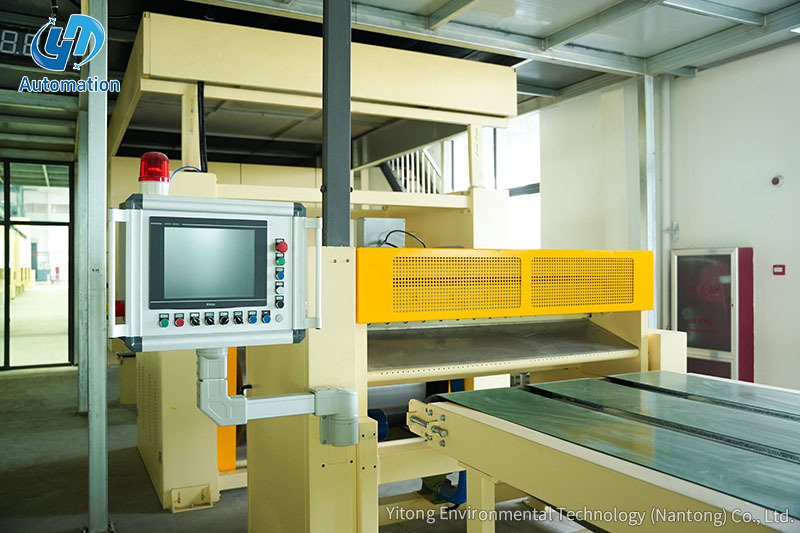
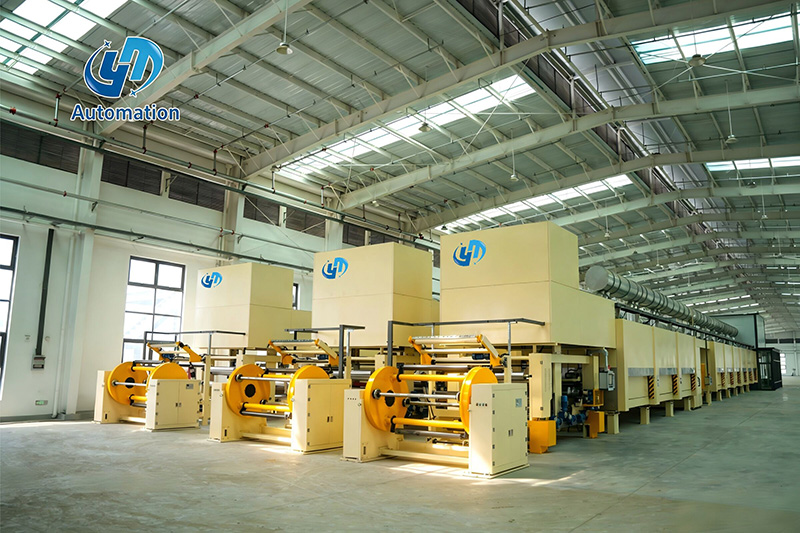
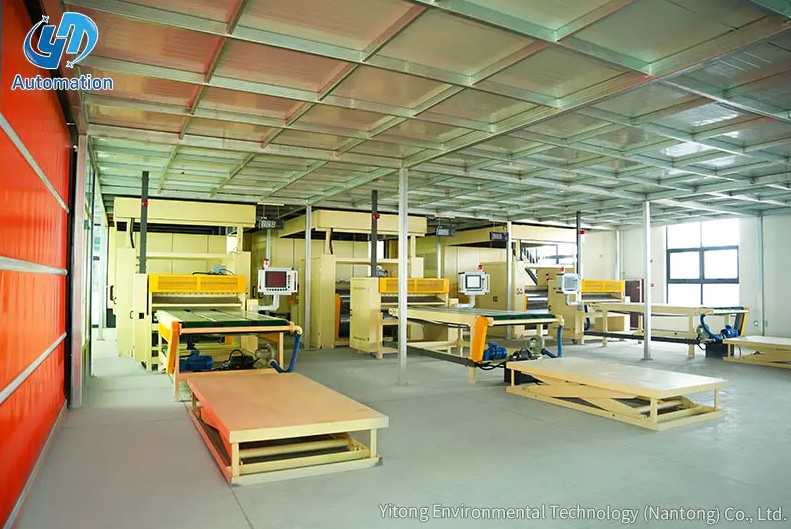
A one-step impregnation station works by combining vacuum application, resin dispensing, and drainage into a single continuous automated cycle within one sealed chamber, eliminating the need to transfer workpieces between separate stations for each process stage. This integrated approach ensures resin penetrates evenly into windings or coils under controlled vacuum conditions, then drains excess material before the part moves to curing, all without breaking the process seal that maintains consistent impregnation quality. Manufacturing data commonly referenced in electrical component production shows that single-chamber impregnation systems can reduce cycle time by up to 30 to 40 percent compared to multi-station processes that require manual transfer between vacuum, dip, and drain stages.
The one-step impregnation process follows a defined sequence within a single chamber, allowing each stage to transition directly into the next without interrupting the vacuum environment that ensures thorough resin penetration.
A well-engineered One-Step Impregnation Station manages this entire sequence through automated valve and pump control, reducing the operator intervention needed compared to traditional multi-tank impregnation setups.
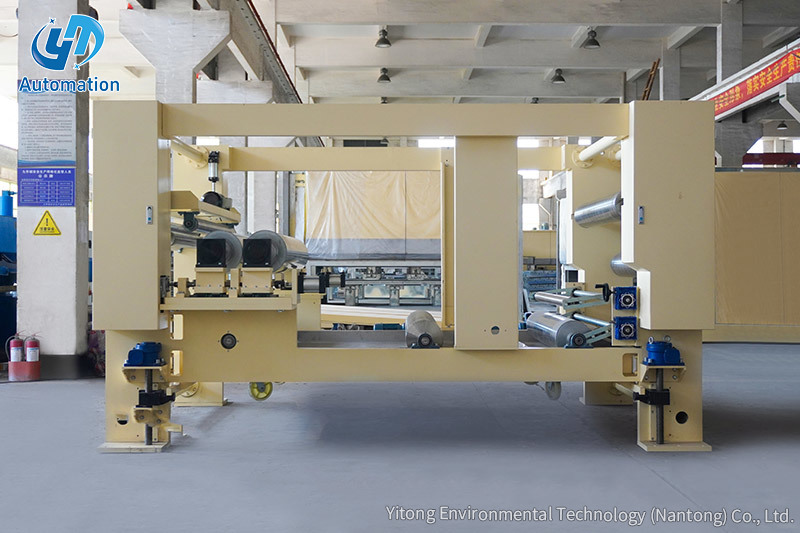
The initial vacuum stage is critical to impregnation quality, since trapped air pockets within winding structures can prevent resin from fully penetrating the coil, leaving voids that compromise electrical insulation performance.
| Process Stage | Function |
| Pre-vacuum evacuation | Removes air and moisture from winding gaps before resin enters |
| Vacuum-assisted resin fill | Draws resin into voids left by evacuated air |
This vacuum-first approach is what distinguishes proper impregnation from simple dip coating, since dip coating alone often leaves internal air pockets that vacuum evacuation is specifically designed to eliminate before resin ever enters the chamber.
Once vacuum conditions are established, resin is introduced into the sealed chamber, and the system carefully controls flow rate and pressure to achieve consistent penetration throughout the winding structure.
Automated dosing systems regulate how quickly resin enters the chamber, since introducing resin too rapidly can create turbulence that traps new air pockets, working against the purpose of the initial vacuum stage.
Some systems apply a brief pressure stage after initial resin introduction, helping force resin deeper into tightly wound coil sections that vacuum alone might not fully saturate, particularly in densely wound motor or transformer components.
After sufficient penetration time, excess resin must be drained from the chamber before the impregnated part moves to curing, and this drainage stage also plays a role in overall process efficiency and material cost control.
Facilities running high production volumes benefit significantly from resin recovery systems integrated into the drainage stage, since reclaiming usable resin directly reduces per-unit material costs over time.
Understanding how a one-step system differs from older multi-station impregnation processes helps clarify the practical efficiency and quality advantages of the integrated approach.
This continuous processing approach is a major reason manufacturers increasingly favor single-chamber systems for applications requiring consistent, high-quality electrical insulation performance across large production runs.
One-step impregnation stations are widely used across electrical component manufacturing, where consistent insulation quality directly affects product performance and longevity in the field.
Electric motor winding impregnation, transformer coil treatment, and generator stator processing all rely on thorough resin penetration to prevent moisture intrusion, improve mechanical stability of windings, and enhance overall thermal performance under continuous electrical load.
In these applications, inconsistent impregnation can lead to premature insulation breakdown, making the process control offered by a single-chamber system particularly valuable for manufacturers producing components with long expected service life requirements.
Several adjustable parameters within a one-step impregnation station directly influence the final quality of the treated component, and understanding these variables helps operators optimize the process for specific part types.
| Parameter | Effect on Process |
| Vacuum level and duration | Determines how thoroughly trapped air is removed before resin fill |
| Resin viscosity and temperature | Affects flow rate and penetration depth into tight winding gaps |
| Drainage time | Influences final resin coating thickness and material recovery rate |
Adjusting these parameters based on specific component geometry and resin type allows manufacturers to fine-tune the process for different product lines running through the same equipment.
Beyond quality improvements, the integrated single-chamber design of a One-Step Impregnation Station offers meaningful throughput advantages for manufacturers processing high volumes of electrical components on a regular production schedule. Reduced cycle time, lower labor requirements for part transfer between stations, and decreased resin waste through integrated recovery systems all contribute to a more cost-effective production process compared to traditional multi-tank impregnation methods.
Manufacturers producing electric motors, transformers, generators, and other wound electrical components at scale benefit most from adopting one-step impregnation technology, particularly when consistent insulation quality and production efficiency are both priorities. Facilities currently using older multi-station dip and vacuum processes may find that transitioning to an integrated single-chamber system offers meaningful improvements in both product consistency and overall production throughput without requiring significant additional floor space.
Contact Us
Recommended Products
Let’s Get In
Touch
Yitong Environmental Technology (Nantong) Co., Ltd is a manufacturer specializing in impregnation equipment.


Contact Us
Phone: 13073202297 / 13023568111(WhatsApp/Wechat)
Email: [email protected] / [email protected]
Add:No.369, Nanhai Road, Tongzhou Bay, Nantong, Jiangsu, China


 English
 中文简体
中文简体
 русский
 عربى
عربى