Content
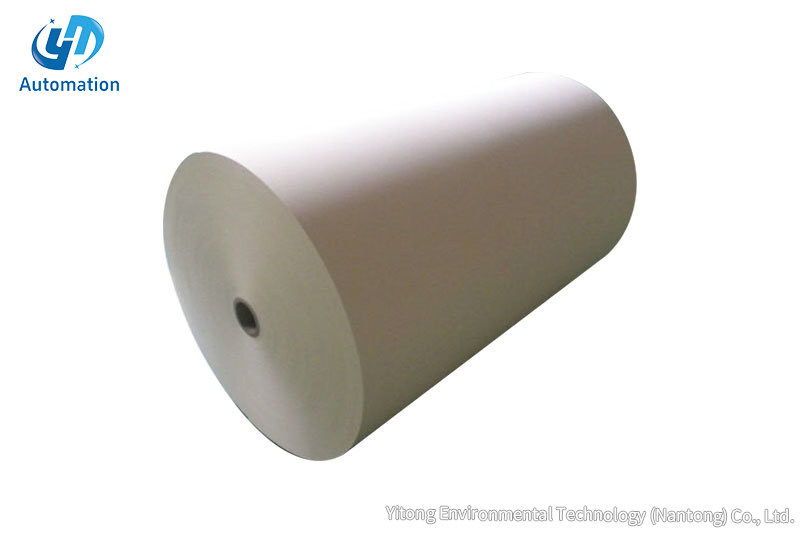
A roll of industrial decorative base paper sits on the unwinder. A few hundred meters later, the web comes out resin-saturated and ready for pressing onto particleboard or MDF. The transformation in between is resin impregnation, and it decides more about final laminate quality than many buyers expect.
Resin impregnation is not simply dipping paper into liquid resin. It is a controlled sequence of resin application, metering, drying, cooling, and material handling. Small shifts in resin solids, oven temperature, or line speed can turn an acceptable sheet into one with streaks, blisters, or uneven distribution. Anyone producing decorative paper, floor laminates, or industrial overlays needs to understand this process before choosing production equipment.
Resin impregnation forces liquid resin into the open voids of a porous substrate. When the resin cures, it bonds to the internal structure of the material rather than sitting only on the surface. That is what separates true impregnation from simple coating.
The process appears in wood modification, electrical coil insulation, metal pore sealing, and fiber composite manufacturing. In the wood-based panel sector, resin impregnation converts base paper into hard, moisture-resistant, wear-resistant layers used in flooring and surfacing. The treated paper must tolerate pressing temperatures above 180C, resist moisture, and keep the decorative print visible.
Three outcomes matter most: mechanical reinforcement, barrier protection, and dimensional stability. When one of these fails, the laminate shows the fault immediately, as a blister, a swollen edge, or micro-cracks in the surface film.
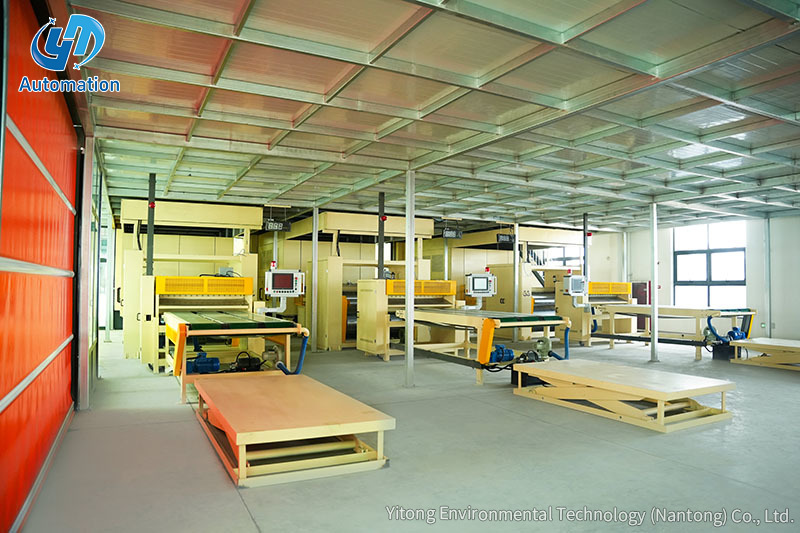
An impregnation line is best understood as a chain of coordinated stages. Each stage places its own demand on the machine and on the control system that keeps them in balance.
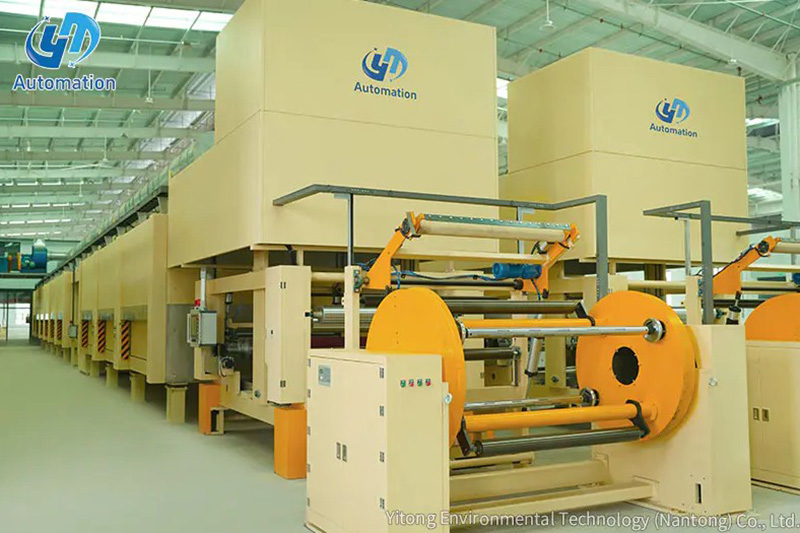
One-stage lines run this sequence once. Two-stage lines add a secondary coating pass and a second drying section, giving the manufacturer extra control over surface resin distribution.
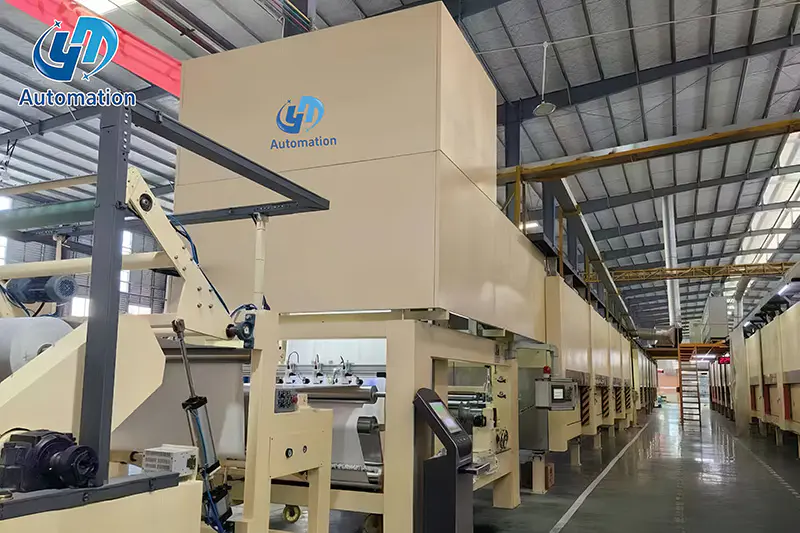
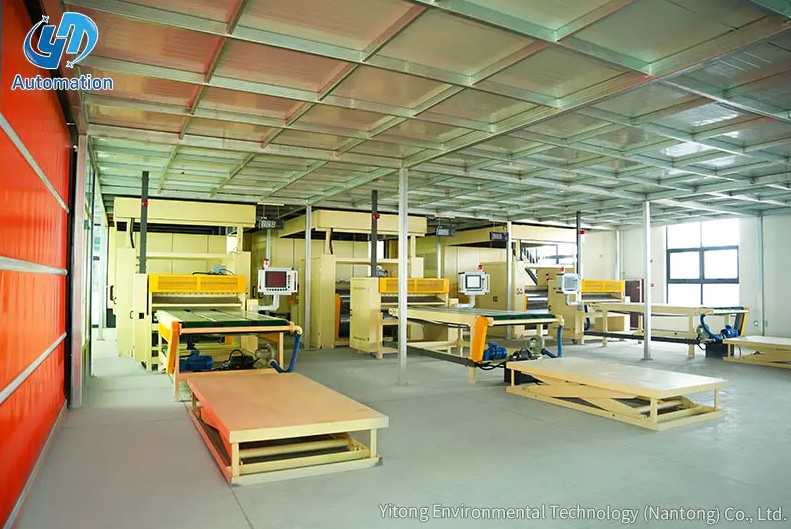
When you study an equipment catalog, you will usually see two families: one-stage impregnation lines and two-stage paper impregnation and coating lines. The practical difference is how often resin is metered onto the web and how much drying capacity separates those metering events.
| Characteristic | One-Stage Line | Two-Stage Line |
|---|---|---|
| Resin application | Single bath or single metering | Base impregnation plus secondary topcoat |
| Coating precision | Moderate | High, with independent coat weight adjustment |
| Surface quality | Standard | Enhanced abrasion resistance and print fidelity |
| Oven capacity | One drying section or shorter total length | Two drying sections or extended heat input |
| Footprint | Compact | Larger, with additional equipment height |
| Investment cost | Lower | Higher |
The radar chart below compares the two line types across six selection criteria.
The radar chart compares the capability profiles of a one-stage and a two-stage impregnation line across six selection criteria. The one-stage line scores higher on throughput and installation space because the machine is shorter and simpler. The two-stage line takes the lead on coating precision because it has an independent second metering step that can be tuned after the base impregnation. Both configurations achieve similar resin penetration when the impregnation station is properly designed. Energy efficiency rises on the two-stage line when heat recovery is included in both drying sections. The chart does not identify a universal winner; it simply shows that the decision depends on which criteria dominate your product range.
For a program built around standard melamine paper, a one-stage line is often enough. If the plan includes topcoated products such as high-wear floor laminates, the two-stage route becomes hard to avoid. Equipment selection should therefore follow your product mix, not just the advertised maximum speed.
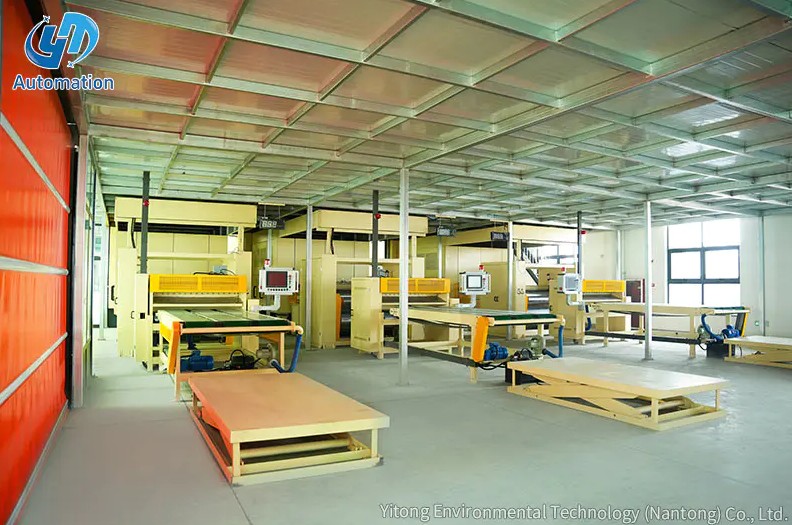
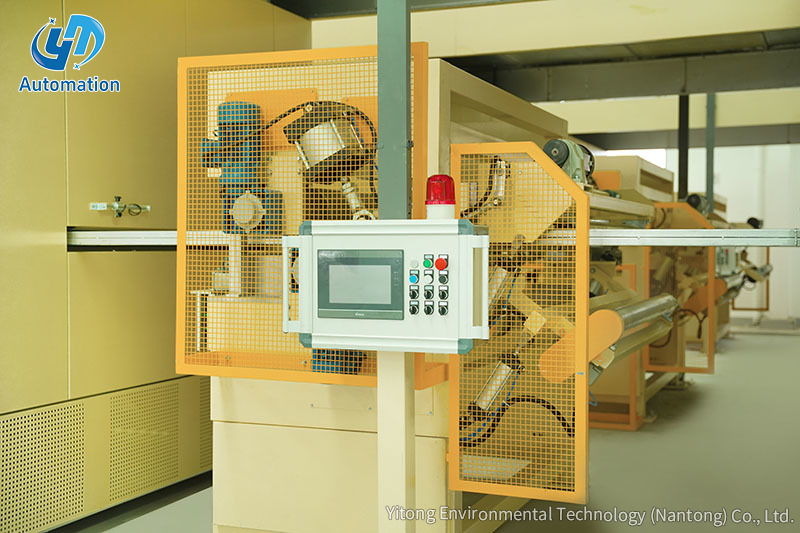
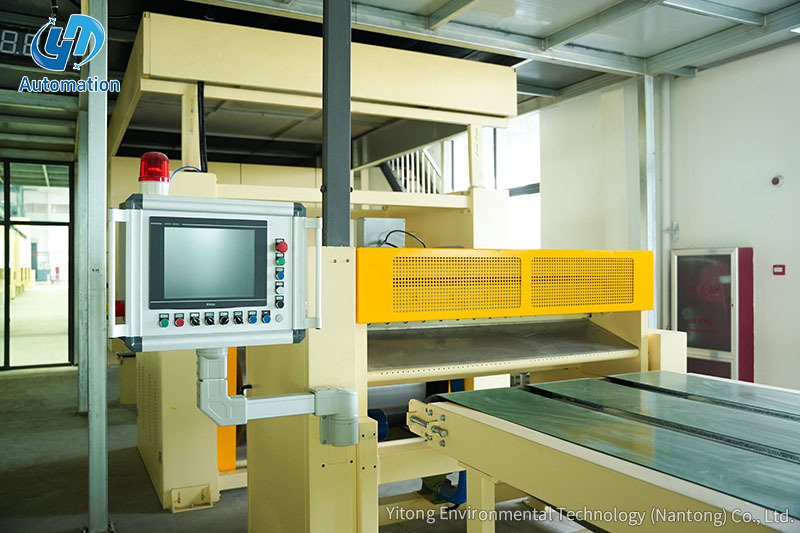
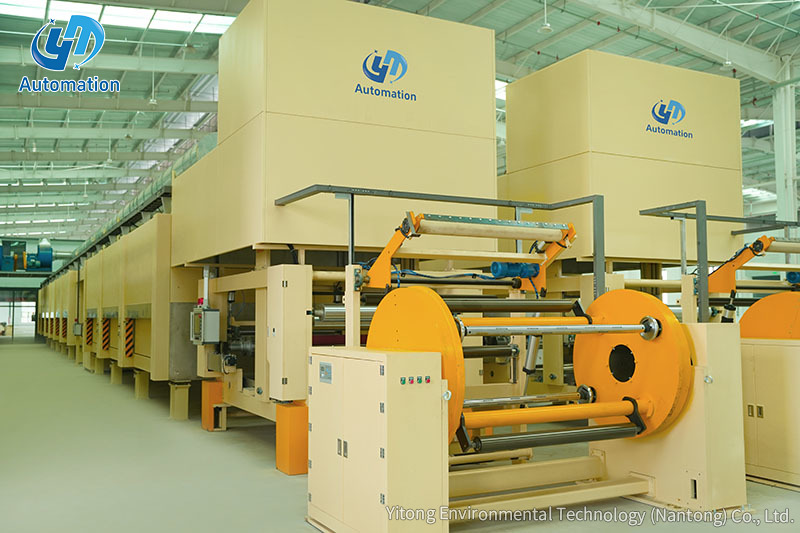 One-Stage Impregnation Line for Melamine PaperThis line integrates unwinding, impregnation, drying, coating, and stacking for standard melamine paper. It suits programs without topcoated products, offering energy savings and uniform glue application with only 1% error rate.View Product →
Quality is fixed in the first seconds of contact between paper and resin. The resin must penetrate the fiber matrix without striking through. The metering rolls must leave a uniform film across the web, regardless of grammage deviations. The oven must dry the sheet without cooking the surface faster than the interior.
The main control variables are resin solids, viscosity, immersion time or pressure, metering roll gap, line speed, and oven temperature. Each interacts with the others: higher solids reduce the drying load, while a faster line forces either a longer oven or a hotter one.
The horizontal bar chart shows the typical resin solids content used in five industrial applications. Decorative paper processing usually runs at around 54 percent solids to balance penetration speed with drying capacity. Electrical insulation systems work with higher solids because solventless resin formulas simplify environmental control. Wood modification uses lower solids since the goal is cell wall bulking rather than complete pore filling. This range explains why a machine must be matched to the actual resin, not to a marketing brochure. A line designed around the wrong solids range will struggle as soon as the recipe changes.
An important consequence for buyers is that the resin system you intend to run determines how flexible the impregnation section must be. A line tuned to urea-formaldehyde at 55 percent solids will struggle with melamine resin at 62 percent unless bath circulation, metering rolls, and exhaust all respond. Suppliers that design their own impregnation stations can tune these variables more precisely.
The line chart compares how residual volatile content falls as the paper passes through the oven at 140C and at 160C. Both curves start at the same solvent level because the web enters with the same moisture load. The first 30 seconds show a steep drop while liquid solvent evaporates directly from the paper surface. After that, the curves flatten because remaining volatiles must diffuse out of deeper fiber layers. At 160C, the web reaches the one percent threshold roughly 30 seconds earlier than at 140C. The catch is that excessive temperature can cure the outer surface before the interior is dry, trapping solvent inside.
Zoned temperature control is a strong reason to examine oven length carefully. A short oven with high temperature can create blisters. A longer oven with conservative zoning gives a more even result but uses floor space. That balance feeds directly into energy use and operating cost.
Energy is a major variable cost in an impregnation plant, and the oven is the largest energy consumer. Heat that goes out with the exhaust is pure loss unless it is recovered. Machine construction therefore has a direct effect on the production cost per ton.
The vertical bar chart compares the specific energy consumption of four drying configurations. A conventional hot air oven consumes the most energy because the exhaust stream leaves the building with a large amount of heat. Adding heat recovery cuts consumption by roughly one third, since a heat exchanger pre-heats the incoming air with energy from the leaving air. Using infrared to support hot air shortens the evaporation phase and brings the total further down. A two-stage line with heat recovery reaches the lowest figure because the second drying section operates at lower temperature. Across a full production year, these differences translate into operating costs that can exceed the purchase price difference between machine suppliers.
Two engineering decisions drive the spread. The first is heat recovery on the oven exhaust. The second is how infrared and hot air input are balanced. Process heat analysis should be a normal part of quotation review, not a theoretical extra. For more detail on one-stage layouts, read this technical note on heat recovery equipment in one-stage impregnation lines.
When comparing proposals, the purchase price is the least useful number. The durable value of the line is how well it behaves on your resins, papers, and operating schedule. Put the following checklist at the center of a factory-level evaluation.
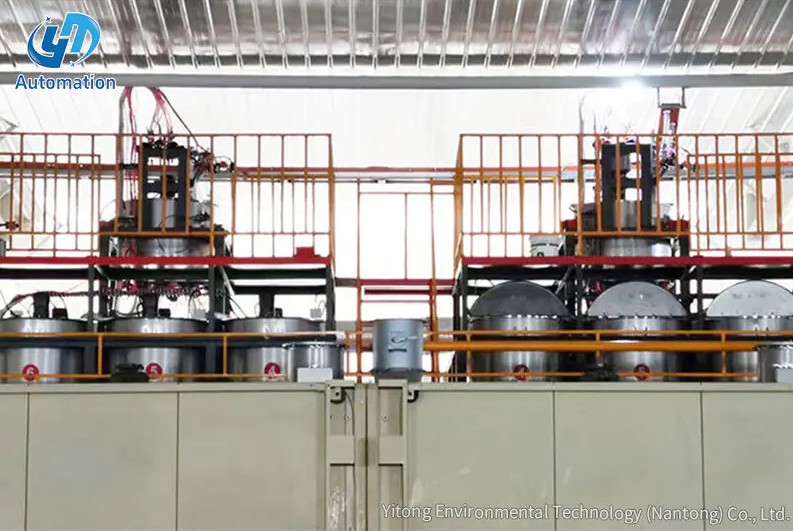
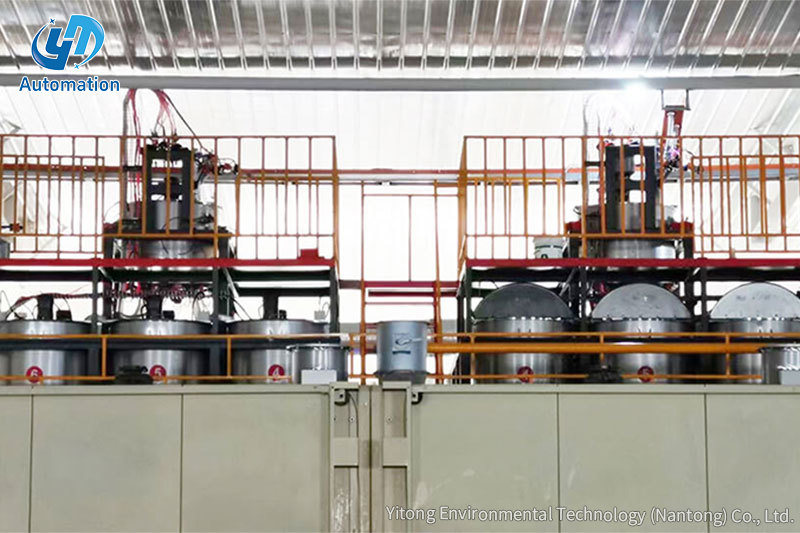
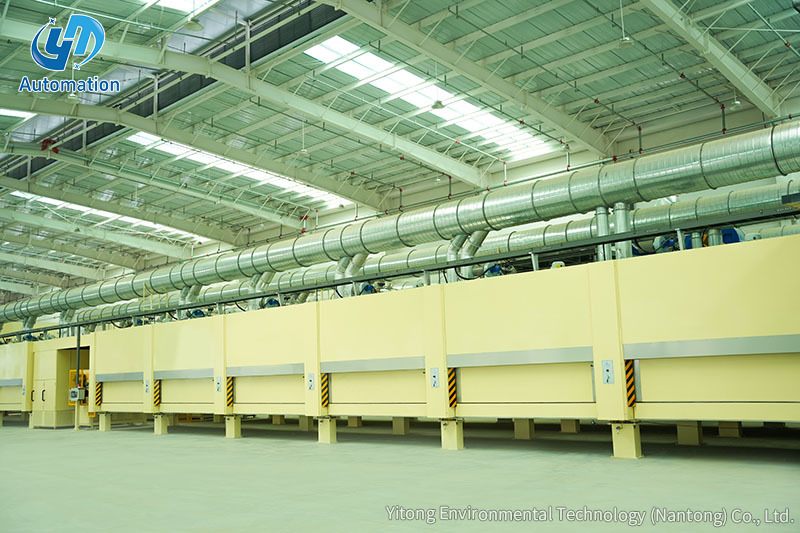
Manufacturer capability matters as much as machine geometry. When a supplier builds the complete line in its own factory, tolerance control is tighter and the engineering story is easier to verify. This is why a factory visit should be part of the purchasing process. Suppliers with long manufacturing experience can usually show the same equipment running on their floor rather than only in a rendering. A manufacturer that publishes information about its factory and production capability makes this review much easier.
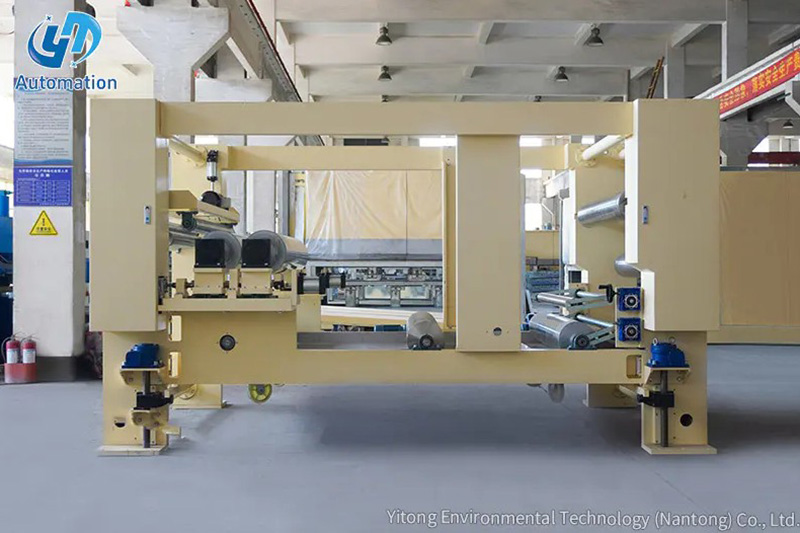
Companies that already own a one-stage line but need better surface control often choose a standalone secondary coating machine instead of replacing the whole line. This upgrade path preserves the investment in the original dryer and unwind section.
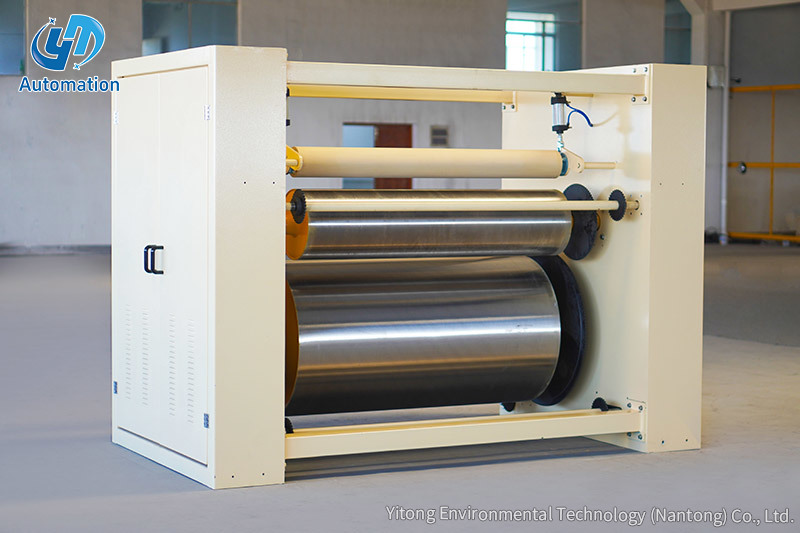
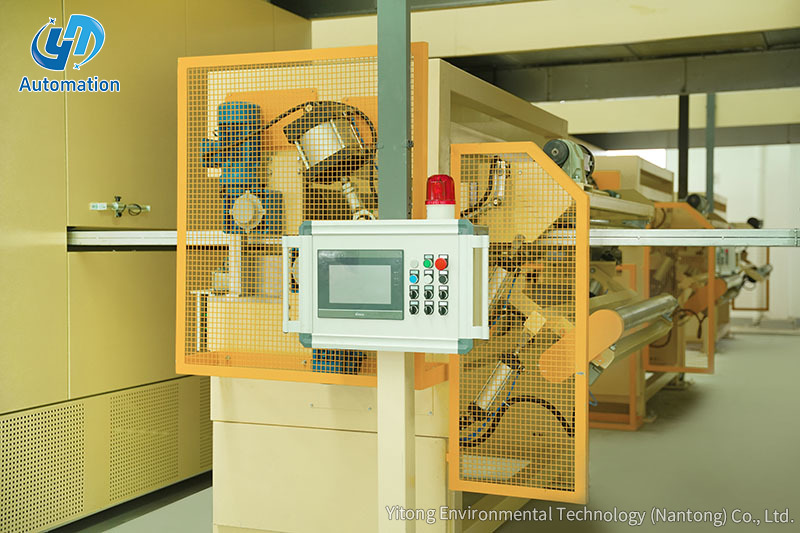 Secondary Coating Machine for Enhanced Surface ControlA standalone machine that adds back and face coating to existing one-stage lines, improving coating quality and wear resistance. Ideal for companies needing better surface control without replacing their entire impregnation line.View Product →
The choice of an impregnation line is a forecast of how much process control you will need over the next ten years. Every laminate grade, raw paper lot, and resin reformulation will pass through that machine. A line built for the whole chain, from unwinding to stacking, gives you room to adapt as the market changes.
The physics of resin impregnation are well understood. Resin must have time to penetrate, solvent must have time to leave, and temperature must be zoned so the web dries evenly. Equipment that respects this sequence converts knowledge into repeatable production. When you evaluate suppliers, consider whether their engineering principles are visible and verifiable, because that is a good signal of how they will support you after the sale.
Contact Us
Recommended Products
Let’s Get In
Touch
Yitong Environmental Technology (Nantong) Co., Ltd is a manufacturer specializing in impregnation equipment.


Contact Us
Phone: 13073202297 / 13023568111(WhatsApp/Wechat)
Email: [email protected] / [email protected]
Add:No.369, Nanhai Road, Tongzhou Bay, Nantong, Jiangsu, China


 English
 中文简体
中文简体
 русский
 عربى
عربى