Content
After a few months of running a decorative paper impregnation line, the same issues appear: resin pickup drifts from roll to roll, the paper curls in the oven, and finished laminates show faded spots. Most operators blame the resin supplier. Based on more than one thousand engineering cases, the real cause is usually the impregnation method and the equipment that executes it. A well-chosen process handles resin uniformly, removes volatiles without blistering, and builds a stable network that survives pressing. The conclusion is simple: if you want a predictable laminate out of your press, start by matching the impregnation method to your base paper, resin system, and product mix.
Impregnation methods are not just about getting paper wet. They control three variables: how much resin solids stay in the paper, how evenly that resin is distributed across the web, and how much moisture or solvent remains before drying. These three variables determine dimensional stability, surface quality, and overall production cost.
Two basic routes exist. The first is full immersion, where the base paper passes through a resin bath and then through metering rolls that squeeze off excess liquid. The second is metered application, where a controlled amount of resin is applied through a coating head or kiss-roll assembly. Full immersion provides higher resin pickup and better penetration into the paper's fiber structure, while metered methods give tighter coating weight control. The choice is not either/or — many modern lines combine both, as with a two-stage process.
Resin viscosity is the first parameter to understand. The chart below shows how the viscosity of a standard melamine-formaldehyde resin changes with temperature at two solids levels.
The blue and orange curves represent a 40% and a 50% solids resin, respectively. At a shop-floor temperature of 20°C, the 50% solids resin is nearly four times more viscous than the 40% solids version. That difference matters because high viscosity resists penetration into the paper and produces a heavy surface layer with a lean interior. By raising the resin temperature to 40°C, viscosity drops by about half, allowing the resin to flow into the fiber network for a more even distribution. In practice, that means a well-controlled heated resin station gives you a more reproducible impregnation result than relying on ambient conditions alone. For a manufacturer producing deeply penetrated, high-quality laminates, this single curve explains many of the quality differences between production shifts.
The one-stage method passes the paper through a single dip and metering station, then directly to the drying section. It is the simplest approach and gives good resin pickup when the resin solids are moderate. The two-stage method uses a first impregnation station, a pre-dryer, and a second coater that adds a metered top layer. This allows the production line to balance total resin content with surface quality. The trade-off is an extra drying zone and more equipment, but the payoff is a laminate surface with better scratch resistance and a paper core that is fully saturated.
| Comparison | One-stage impregnation | Two-stage impregnation |
|---|---|---|
| Resin pickup | 100–125% | 120–150% |
| Coating weight control | Moderate | Tight |
| Surface quality | Good | Excellent |
| Line speed | Higher | Lower |
| Equipment complexity | Lower | Higher |
| Best suited for | Standard laminates | Premium, high-wear surfaces |
Resin pickup targets drive this decision more than any other parameter. The bars below show typical pickup ranges for the three common routes.
The bars show typical resin pickup, expressed as a percentage of the dry paper weight, for three common approaches. A one-stage line typically lands between 100% and 125%, which is enough for most interior laminates. A two-stage line can reach 120–150% because the second coater adds a controlled top layer without flooding the core. Metered-only application stays lower, around 90–110%, and is best when the paper already carries some pre-impregnated resin. This difference is not merely a number — it changes the final board's scratch resistance, impact strength, and formaldehyde performance. The right pickup target is not the highest value, but the value that matches the laminate grade you intend to sell. If your product mix is dominated by high-wear flooring and furniture panels, the two-stage route offers a more reliable path to that performance.
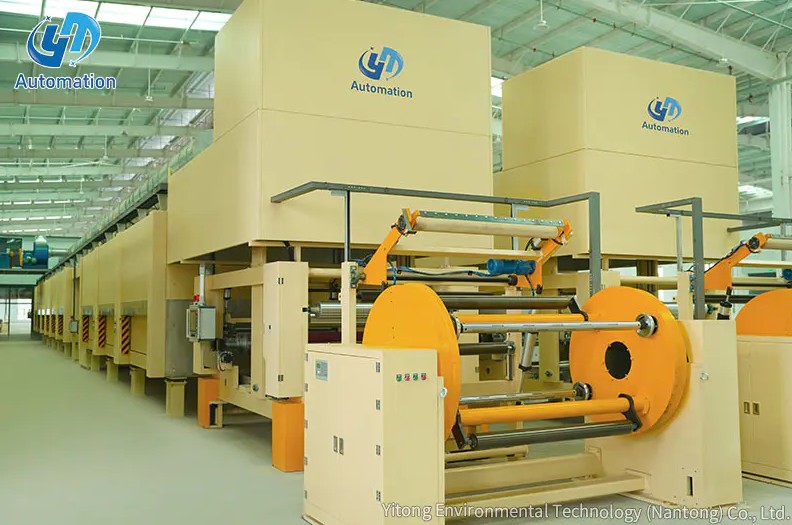
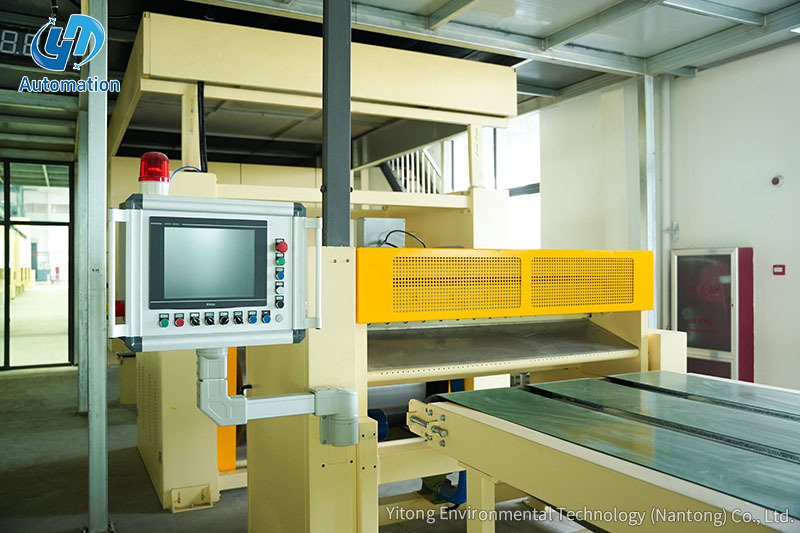
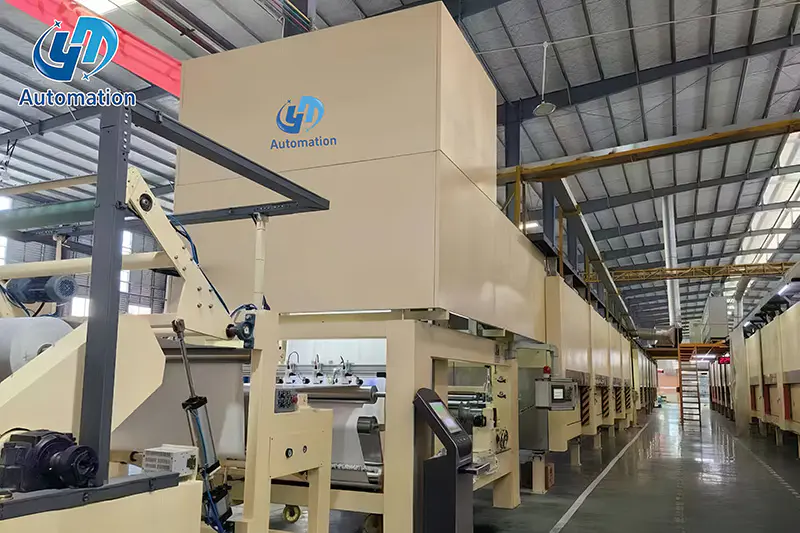
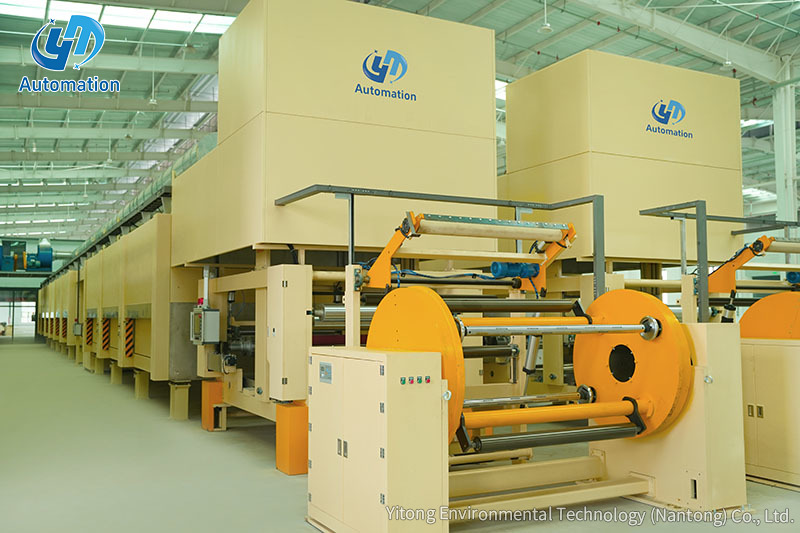 One Stage Impregnation LineProduct Introduction:View Product →
After impregnation, drying and curing convert the liquid resin into a stable thermoset network. The temperature profile in the drying section is the main lever. If the paper enters a hot zone too quickly, the surface solvent flashes off, leaving trapped moisture that blisters in the press. If the temperatures are too low, the resin remains sticky and the line speed drops. The ideal curve rises gradually, allows the volatiles to escape, and then drives the resin toward partial cure without overcooking the paper.
The chart tracks oven temperature across five segments for a typical one-stage and a two-stage line. The one-stage curve peaks earlier and lower, around 130°C, because the paper only needs to expel solvent from one resin application. The two-stage curve reaches a higher peak of about 140°C and holds that temperature longer to cure the additional surface coat. The slower ramp in the two-stage profile reduces the risk of blistering on the second coat, which is why two-stage lines are often used for thick decorative papers. At the same time, a higher final zone temperature ensures a more complete cure, so the paper does not release volatiles later when it enters a hot-press. Understanding these curves helps an operator fine-tune the line for different paper weights, resin solids, and line speeds without guesswork.
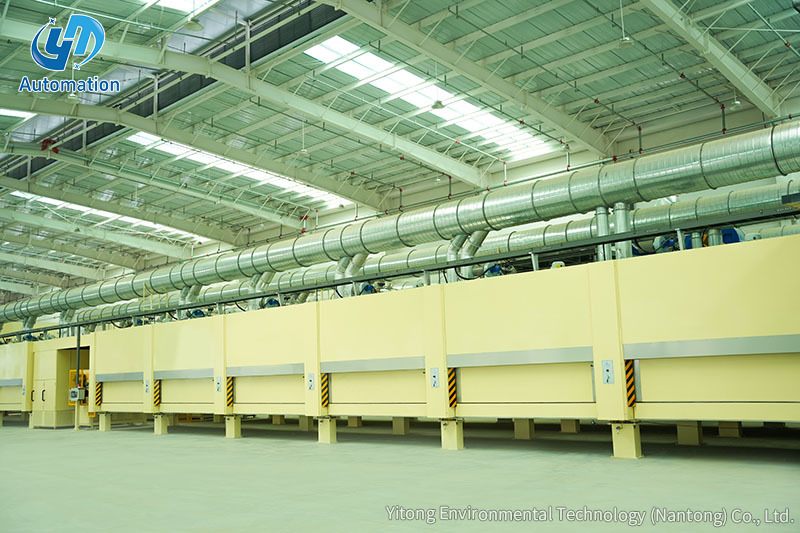
Your dryer choice affects this profile significantly. The dryer for impregnated decorative paper on our site is engineered for this kind of multi-zone control.
When you buy an impregnation line, the method choice drives your capital cost, your operating cost, and the laminate grades you can offer. Installing a one-stage line is cheaper and faster, but it limits you to a narrower product range. A two-stage line requires more floor space, more drying capacity, and a more complex control system. Before you decide, review your target market: if you sell mainly standard melamine paper for cabinetry, a one-stage line with a good dryer will serve you well. If you target scratch-resistant flooring and premium furniture surfaces, the two-stage route — or a one-stage line with an optional secondary coater — is the safer investment.
The radar chart compares one-stage and two-stage impregnation across six key dimensions, with the outer ring representing the best performance. One-stage scores higher on process speed and equipment cost because it has fewer stations and simpler controls. Two-stage pulls ahead on surface quality, chemical resistance, and dimensional stability, which are the attributes that buyers notice in the final laminate. The biggest gap appears in process stability — the two-stage method holds coating weight tighter across the full web width. Cost efficiency is the only axis where one-stage wins clearly, since it uses less floor space, energy, and regulatory complexity. For a base paper supplier planning a new line, reading this chart helps you translate product requirements into a concrete equipment specification.
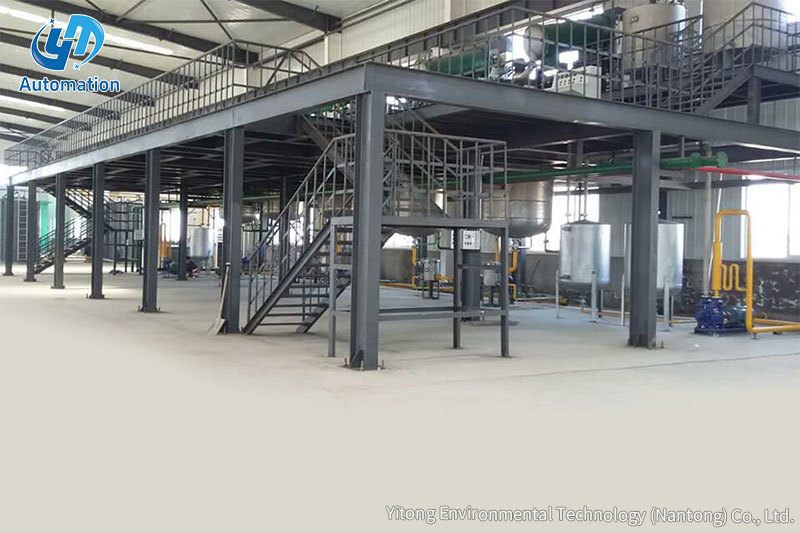
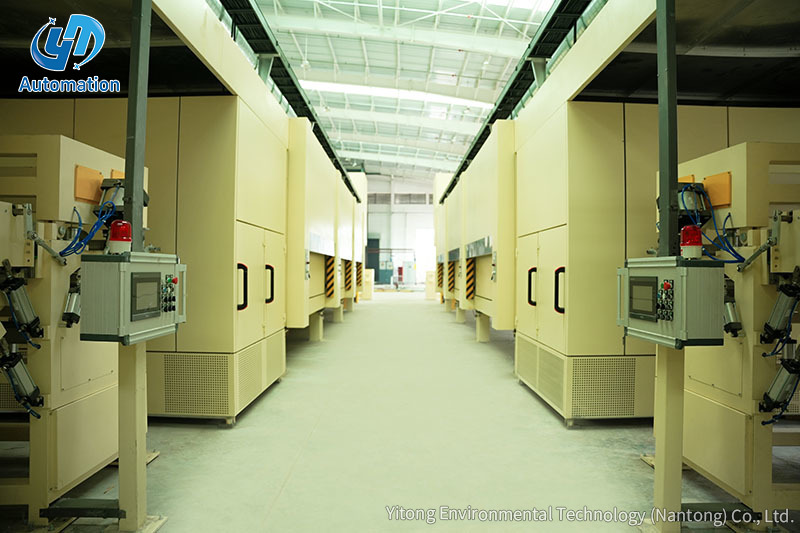
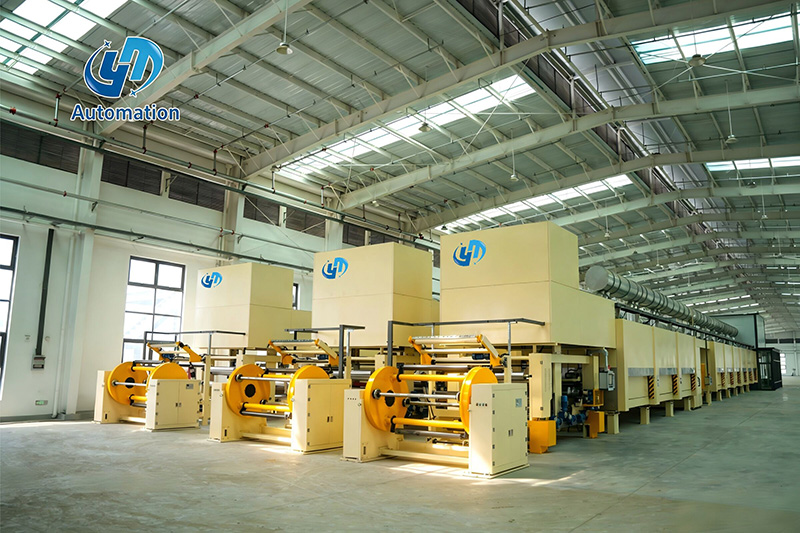
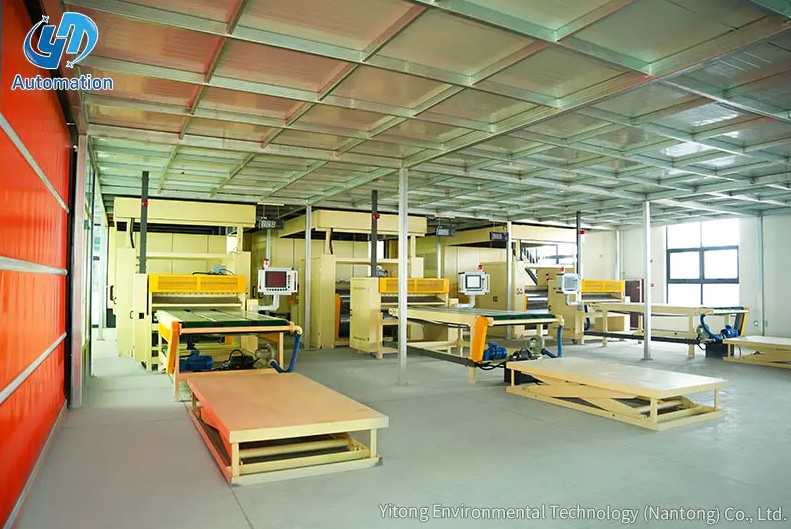
Your factory's layout and production scale should be assessed against the line length and floor area shown in our factory overview, and the technical resources page gives more detail on automation and control.
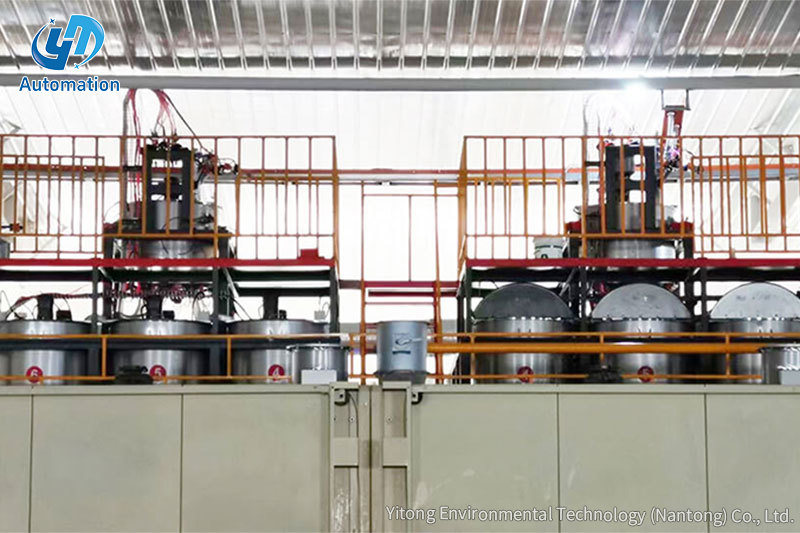
Resin handling is often ignored in line selection, yet it is where a great deal of efficiency is won or lost. A glue-making or automated mixing system stabilizes resin solids, viscosity, and temperature before the paper ever enters the bath. Consistent resin preparation means fewer rejects, less off-spec paper, and lower resin consumption per ton of finished laminate.
The vertical bars show typical resin utilization rates for three ways of preparing resin before impregnation. Manual mixing, where the operator adds components by volume, yields an average utilization around 78% because dosing errors and batch changes are common. A semi-automated system with load cells and inline temperature control raises that figure to about 86%, meaning less resin is wasted on rejected paper. An intelligent glue mixing system with real-time viscosity feedback can push utilization to 94% and beyond. That improvement is not a one-time saving: on a line consuming 100 tons of resin a month, moving from 78% to 94% utilization saves roughly 17 tons of resin every month. The exact number depends on your resin price, but the trend is consistent across the hundreds of kilos of resin consumed each shift.
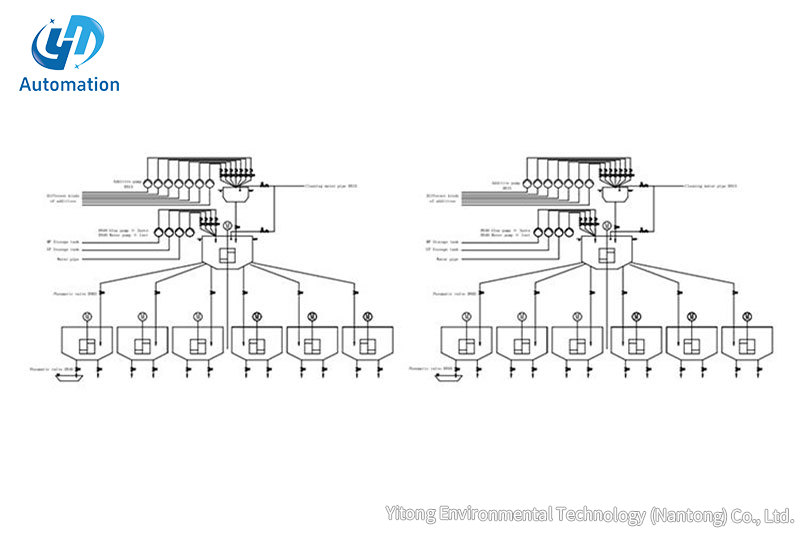 Intelligent Glue Mixing SystemINTRODUCTION TO THE INTELLIGENT GLUE MIXING SYSTEMView Product →
Choosing an impregnation method is a long-term decision, but it does not have to be overcomplicated. Begin by defining the laminate grades you want to sell, then work backward to resin pickup, drying zones, mixing precision, and the equipment that can deliver them. One-stage impregnation lines offer speed and simplicity, while two-stage lines unlock premium surface quality. Add an intelligent glue mixing system and you gain the repeatability that turns a good process into a consistent one. Starting with a clear product target, rather than an equipment list, is the shortest path to a production line that meets its quality and cost goals.
Contact Us
Recommended Products
Let’s Get In
Touch
Yitong Environmental Technology (Nantong) Co., Ltd is a manufacturer specializing in impregnation equipment.


Contact Us
Phone: 13073202297 / 13023568111(WhatsApp/Wechat)
Email: [email protected] / [email protected]
Add:No.369, Nanhai Road, Tongzhou Bay, Nantong, Jiangsu, China


 English
 中文简体
中文简体
 русский
 عربى
عربى