Content
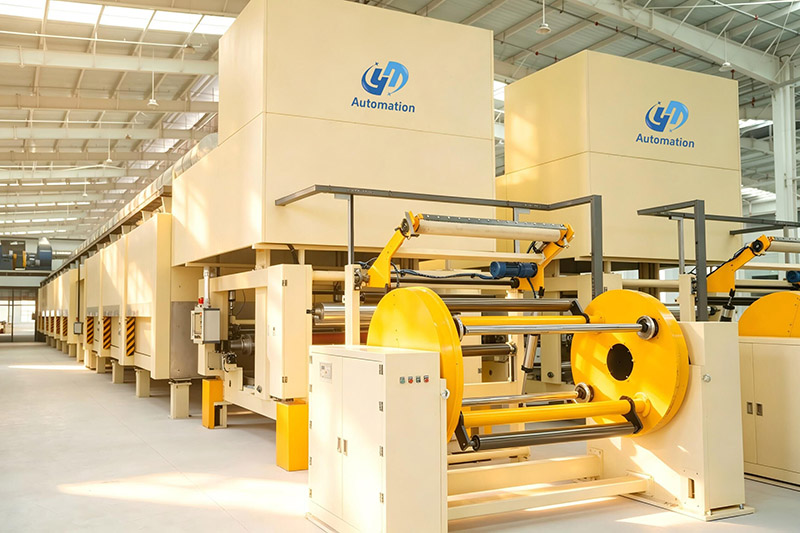
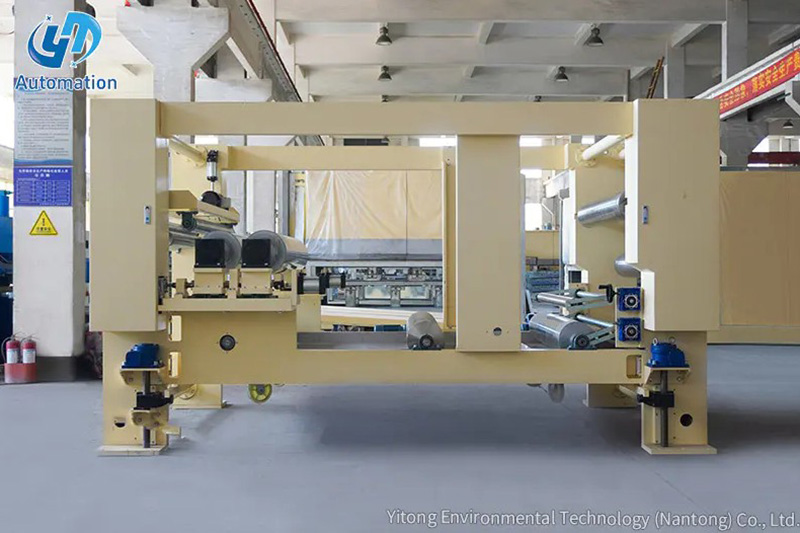
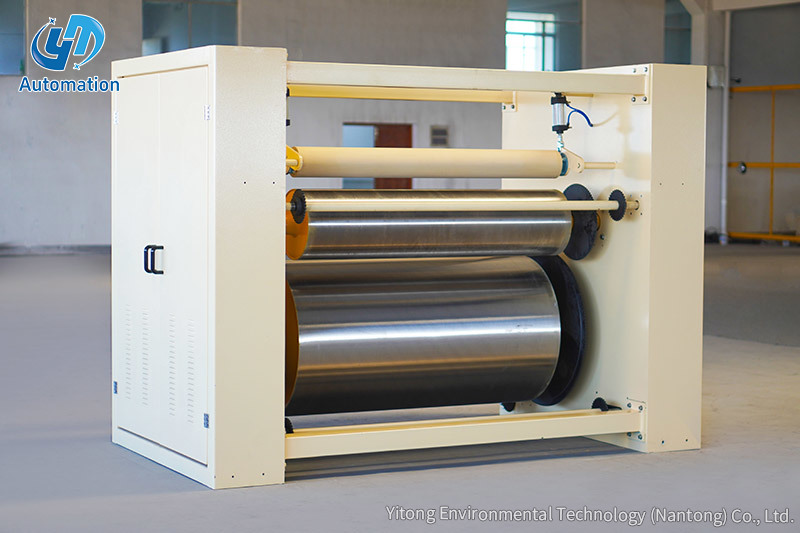
Choosing the right Rotary Unwinder comes down to correctly sizing three things against your actual production requirements: the maximum roll diameter and weight your machine needs to handle, the tension control method suited to your material, and whether your line speed justifies single station operation or a turret configuration with flying splice capability. Technical guidance on rotary unwinder specification confirms that machines are commonly built to handle roll diameters from 400mm up to 2,500mm and roll weights ranging from 50kg to over 5,000kg, with line speeds spanning from 10 meters per minute in slow precision work up to 800 or more meters per minute in high speed paper and film production, which means specifying the wrong parameters in either direction leads to an undersized machine that bottlenecks production or an oversized one that adds unnecessary cost.
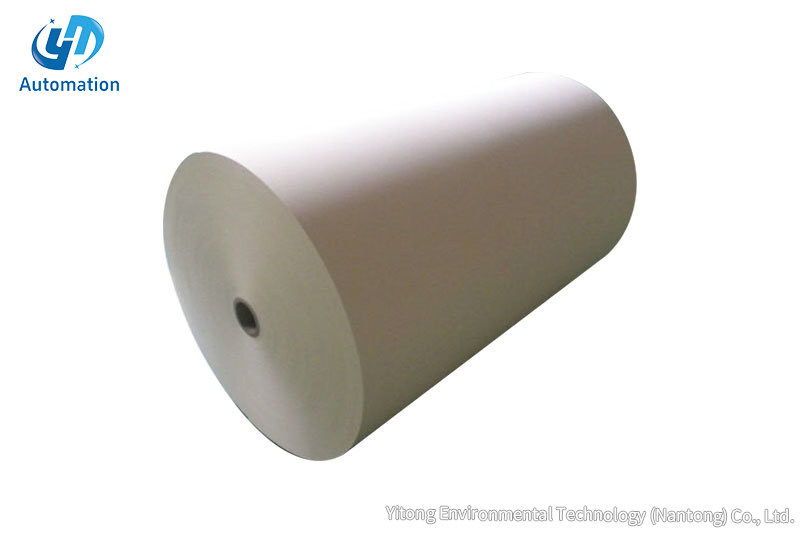
The single most common specification mistake is choosing a rotary unwinder based on catalog price before confirming it can physically handle your heaviest and largest roll. Technical specification data shows that a parent roll can weigh anywhere from 50kg for narrow, light gauge materials up to several tonnes for wide paper or board rolls, and the machine frame and reel support must be rated accordingly. Heavy duty frames built from high tensile structural steel are specifically required for the largest rolls, since frame deflection under load directly causes tension variation and web tracking errors further down the line. Getting roll diameter and weight capacity right first prevents a scenario where the rest of the machine's tension and guiding systems perform well on paper but cannot actually support your material in practice.
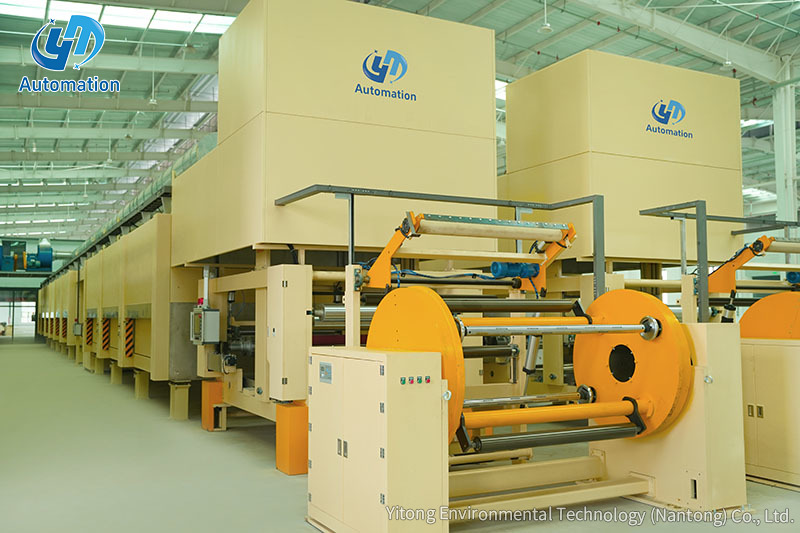
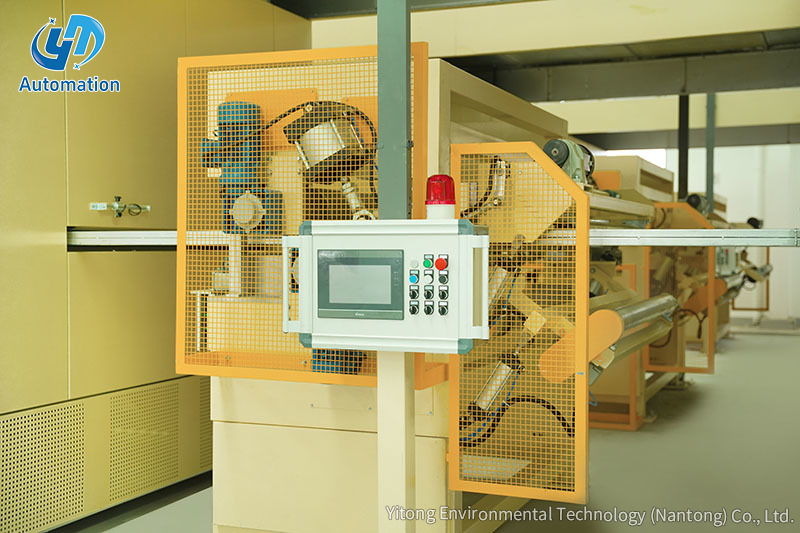
Tension control is the most technically important subsystem to get right, since it determines how consistently the unwinder maintains set tension as roll diameter shrinks from full to empty. Several methods are used depending on speed and precision requirements, each suited to different application types.
| Method | How It Works | Best Fit |
| Magnetic Particle Brake | Slip type brake applies stepless retarding torque to the unwind shaft | Light to medium duty unwinding applications |
| Servo Motor Drive | Motor actively controls torque and tension on powered unwind shafts | High speed, precision sensitive lines such as flexible electronics |
| Load Cell Feedback | Force transducers measure real time tension and adjust brake or drive output | Applications needing tight tolerance, achieving accuracy of plus or minus 1 to 3 percent of set point |
| Dancer Roller System | Weighted floating roller buffers tension and signals speed adjustments | Lines needing inherent low frequency tension buffering |
The choice between a single station unwinder and a turret configuration should be driven by how much your production line loses when it stops for a roll change, not simply by budget. A single station unwinder holds one roll at a time and requires the line to stop, the empty core to be removed and a new roll threaded before production resumes, making it a reasonable fit for slower speed lines, short production runs, or delicate materials unsuited to flying splicing. A turret unwinder instead holds two or more roll positions, preparing the next roll on standby while the active roll runs, then rotating into position and splicing automatically once the active roll nears exhaustion.
Within turret configurations, zero speed splicing briefly stops the web at the splice point while the line continues running from an accumulator, while flying splicing joins the new roll at full running speed using adhesive tabs. Flying splice systems are considered essential in high speed paper, film and flexible packaging lines where any stop produces scrap and disrupts downstream processes that cannot tolerate interruption, while zero speed splicing remains a practical, lower cost option for moderate speed lines with adequate accumulator buffer capacity.
Web guiding requirements vary significantly by industry, and choosing an unwinder without adequate guiding precision for your material can quietly undermine downstream product quality even when tension control is performing well. Edge sensors using ultrasonic, optical or contrast sensing technology are commonly specified to detect web position to an accuracy of plus or minus 0.1 to 0.5mm, which matters most in applications like label printing and converting, where edge to edge registration accuracy requirements can run as tight as plus or minus 0.1 to 0.2mm. Applications working with extensible materials, such as nonwoven fabrics, require gentler tension and guiding control to avoid distorting the material, while rigid materials like paper or board tolerate a wider guiding tolerance without quality issues.
| Parameter | What to Confirm |
| Maximum Roll Diameter and Weight | Sized to your heaviest, largest production roll, not just your typical roll |
| Web Width | Matches shaft length and guide system span for your widest material |
| Core Diameter | Confirmed against standard sizes such as 38mm, 76mm or 152mm to fit shaft and chuck |
| Maximum Line Speed | Matched to your downstream process speed with margin for future upgrades |
| Tension Range and Accuracy | Suited to your most tension sensitive material, not just your average material |
Different industries place very different demands on the same core rotary unwinder function, which is why the same machine platform is rarely a perfect fit for every application without adjustment. Paper and tissue manufacturing typically involves the heaviest rolls, sometimes exceeding 2,500mm in diameter, requiring heavy duty frame construction and high torque tension control. Flexible packaging applications require precise tension control specifically to prevent film stretching that would cause registration errors in multi color printing. Battery and electronics manufacturing represents the most demanding end of the spectrum, often requiring tension control within plus or minus 1 newton and contamination free handling for ultra thin, fragile electrode foils and separator films. Matching your rotary unwinder specification to the actual sensitivity of your material avoids both underperformance on delicate substrates and unnecessary overspending on precision your material does not require.
Selection decisions should not stop at the unwinding function itself, since how a roll gets loaded onto the machine and how easily the system can be maintained both affect total cost of ownership. Roll loading mechanisms range from simple manual lift systems to hydraulic lift tables and fully automatic roll changers, with the right choice depending on roll weight, changeover frequency and available operator headcount. On the maintenance side, buyers should confirm expected service intervals before purchase, since components such as magnetic particle brakes typically require fluid replacement every 1,000 to 2,000 operating hours, and load cell calibration generally needs verification on a monthly basis to prevent tension drift from accumulating unnoticed over time.
Choosing the right rotary unwinder starts with an honest assessment of your heaviest roll, your required line speed and how much downtime your production schedule can actually absorb during roll changes, then working through tension control method, single station versus turret configuration, and web guiding precision in that order. Buyers who specify roll capacity and speed correctly from the start, rather than defaulting to whatever configuration seems standard, consistently get better long term performance from their equipment. A properly specified Rotary Unwinder matched to your actual roll size, material sensitivity and speed requirements delivers reliable, low maintenance performance for years rather than becoming a recurring source of tension problems and unplanned downtime.
Contact Us
Recommended Products
Let’s Get In
Touch
Yitong Environmental Technology (Nantong) Co., Ltd is a manufacturer specializing in impregnation equipment.


Contact Us
Phone: 13073202297 / 13023568111(WhatsApp/Wechat)
Email: [email protected] / [email protected]
Add:No.369, Nanhai Road, Tongzhou Bay, Nantong, Jiangsu, China


 English
 中文简体
中文简体
 русский
 عربى
عربى