Content
In the rapidly evolving world of wood-based panel processing, efficiency and precision have become the benchmarks for success. As manufacturers seek ways to streamline their operations while maintaining the highest quality standards, the One Stage Impregnation Line has emerged as a cornerstone technology. This advanced horizontal production line is transforming how melamine-impregnated paper is produced, offering a blend of simplicity and high-performance output.
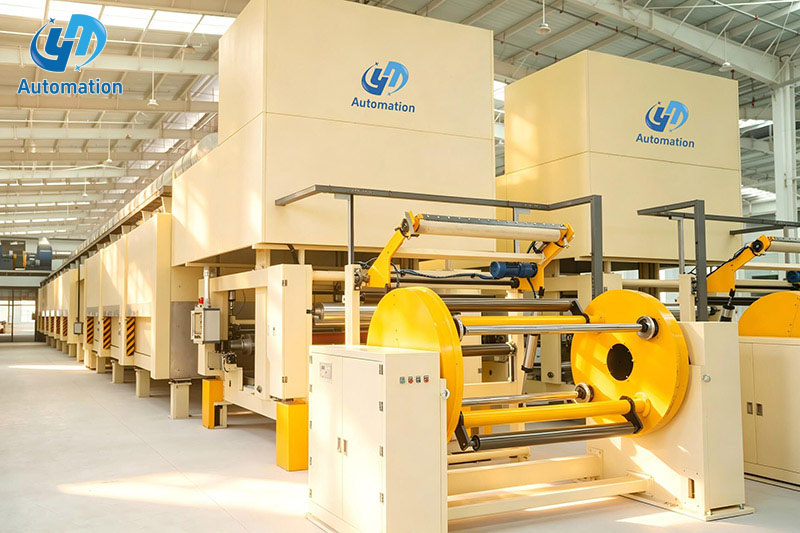
The primary function of a horizontal impregnation and drying production line is to facilitate the immersion and adhesive drying of paper. This treated paper is the "skin" of modern furniture, flooring, and cabinetry, providing the aesthetic appeal and durability required for secondary processing of wood-based panels.
The One Stage Impregnation Line is specifically engineered for manufacturers who prioritize a lean production process. By integrating the impregnation and coating phases into a single, cohesive workflow, this machinery reduces the complexity typically found in multi-stage systems.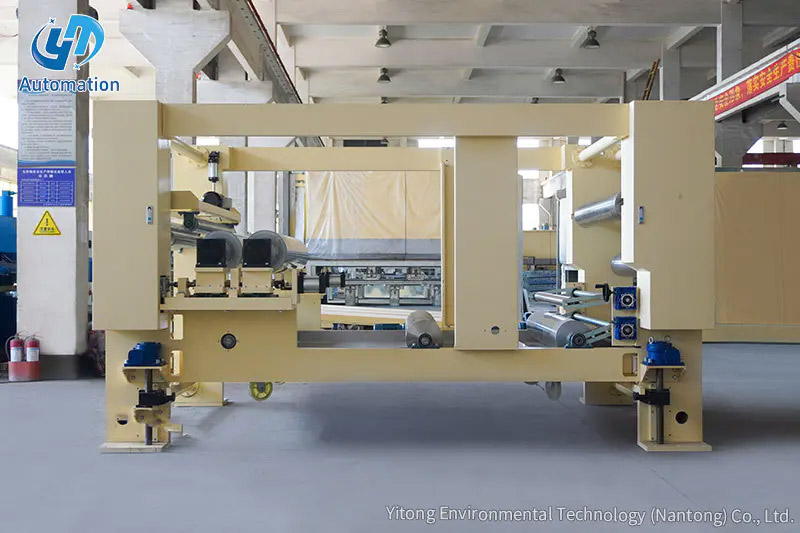
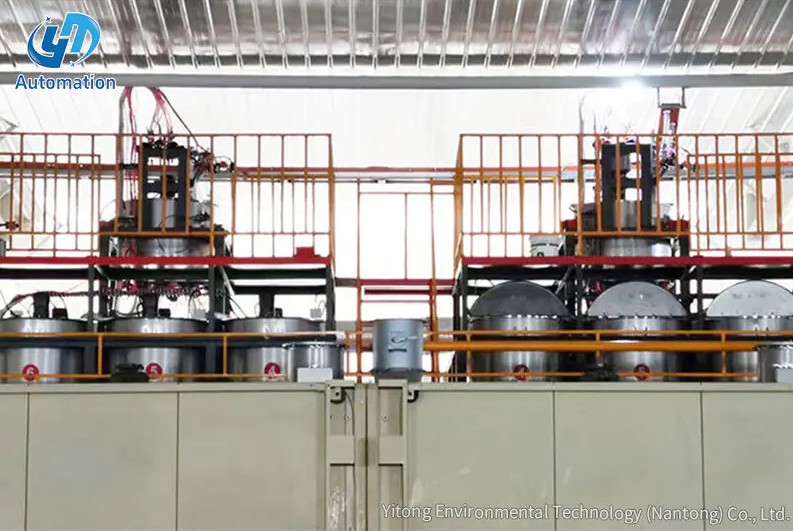
Unlike more complex systems that might use different resins for various layers, the one-stage process utilizes the same resin for both back coating and deep impregnation. This consistency ensures a uniform chemical bond and simplifies the resin management system. For high-pressure melamine decorative boards, particularly when processing the bottom-layer paper, this method is unrivaled in its effectiveness.
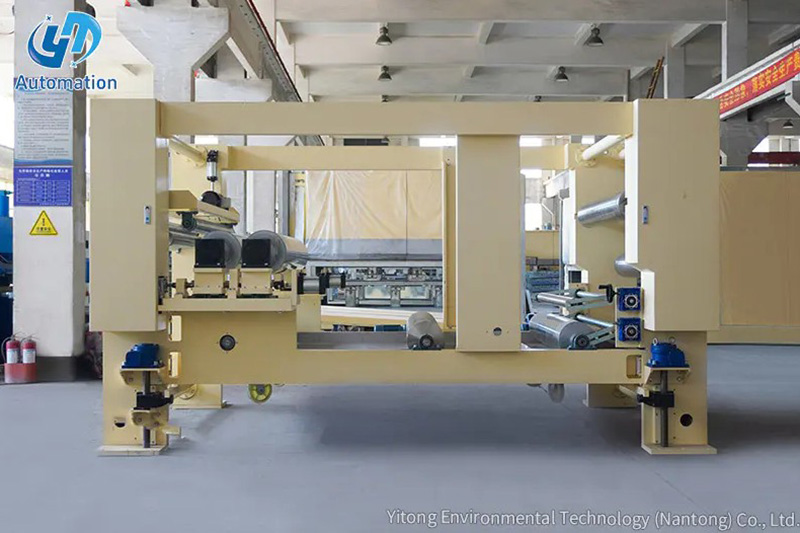
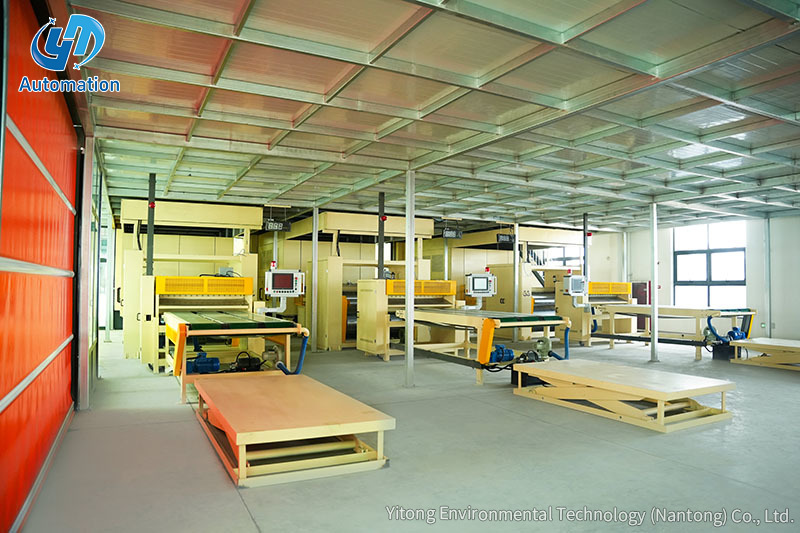
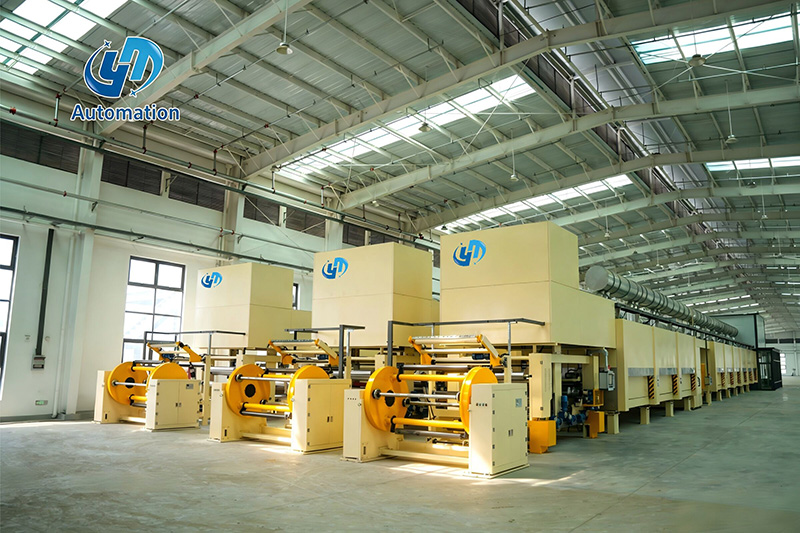
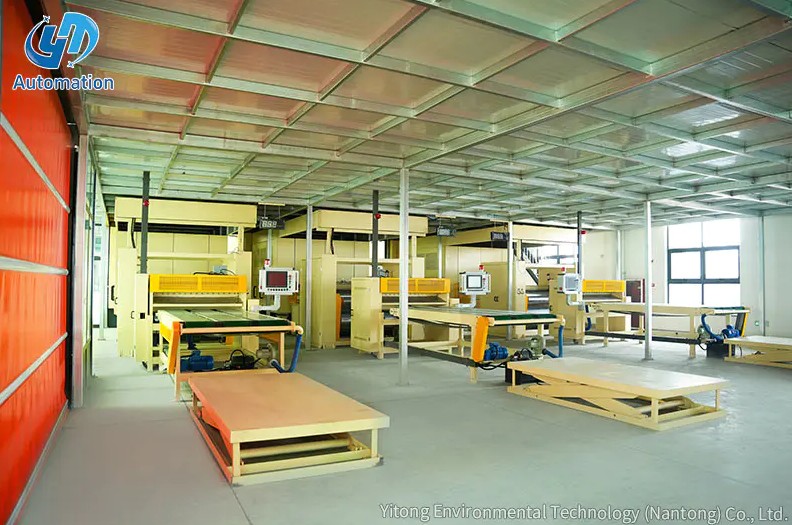
To understand why this line is so efficient, one must look at its architectural components. Each module is designed to work in perfect synchronization, ensuring that the paper remains under precise tension and temperature control from start to finish.
| Component | Primary Function |
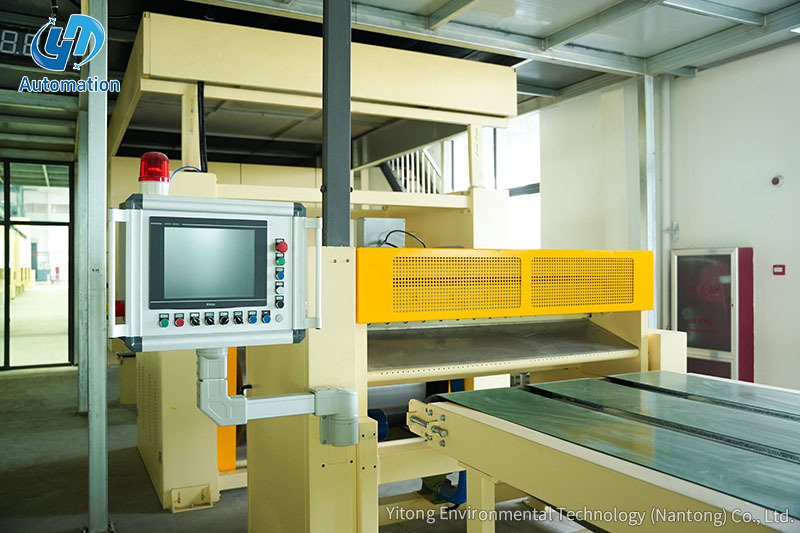
| Un-winder Machine | Feeds the raw decorative or kraft paper into the line with consistent tension. |
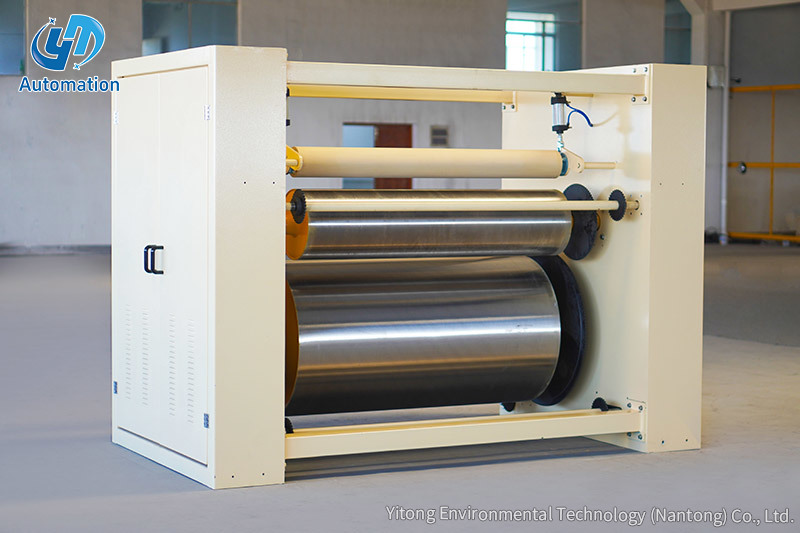
| Impregnation Machine | Submerges the paper in resin to ensure deep fiber penetration. |
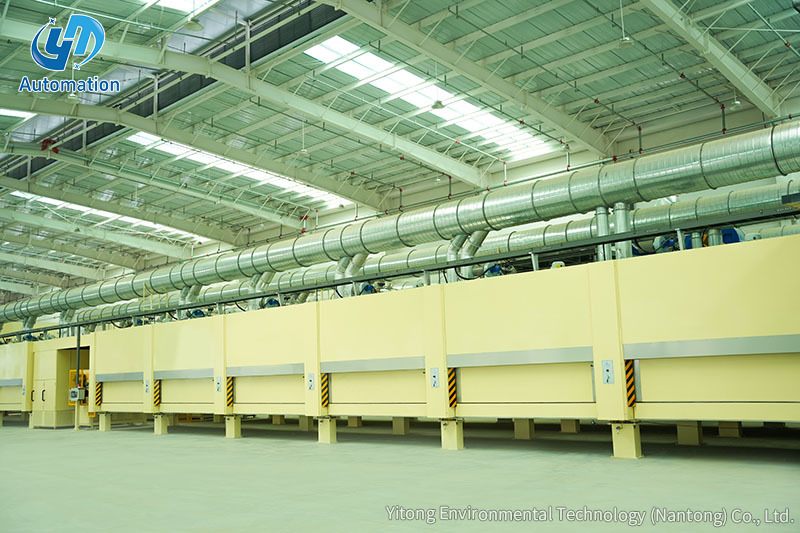
| Drying Machine | Uses controlled airflow and heat to remove moisture and "B-stage" the resin. |
| Coating Machine | Applies a precise layer of resin to the surface to achieve the desired weight. |
| Tractor & Adjuster | Ensures the paper moves at a steady speed and remains perfectly centered. |
| Synchronous Cutter | Accurately cuts the continuous web of paper into sheets without stopping the line. |
| Lift Stacking Station | Automatically collects and stacks the finished sheets for transport. |
The modern market demands more than just a finished product; it demands a process that is sustainable, cost-effective, and highly automated. The One Stage Impregnation Line delivers on these fronts through several key characteristics:
By utilizing advanced immersion techniques, the resin penetrates deep into the paper fibers. This prevents delamination during the later pressing stages and ensures that the final decorative board is resistant to wear, moisture, and heat.
Time is money in any manufacturing facility. The one-stage structure is inherently simpler than its two-stage counterparts, leading to faster setup times and easier maintenance. With a glue amount typically hovering around 70%, the balance between material usage and product quality is perfectly optimized.
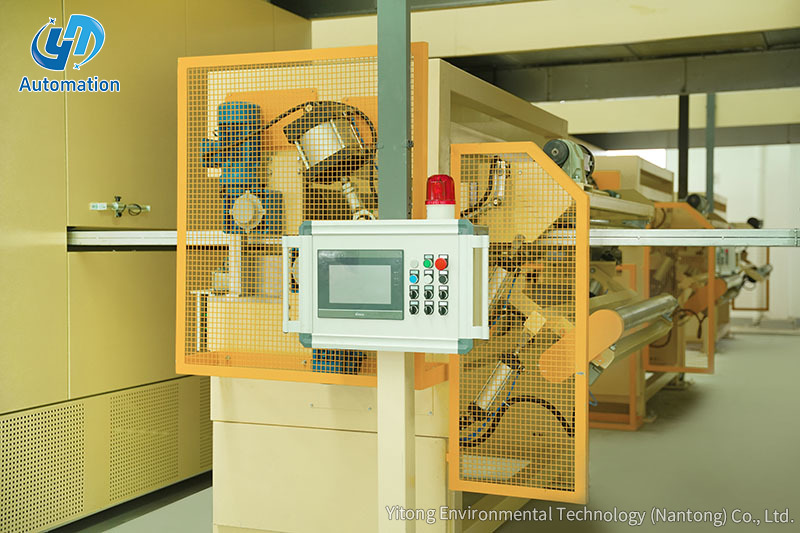
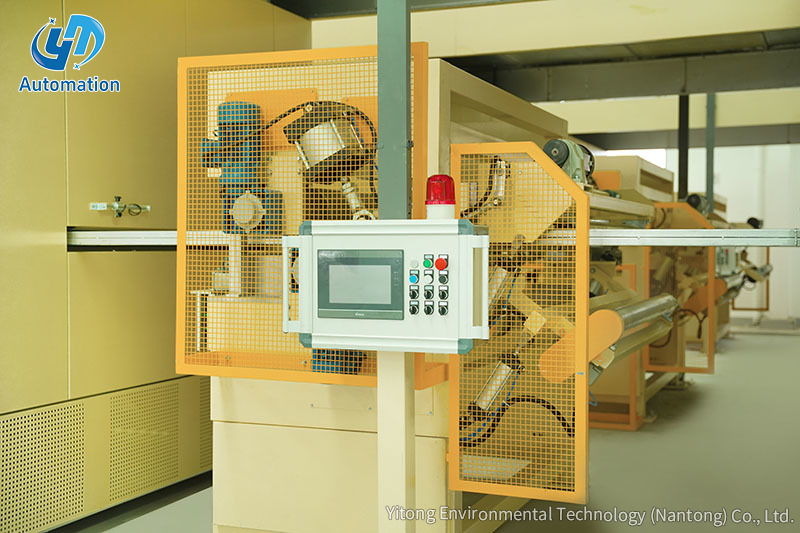
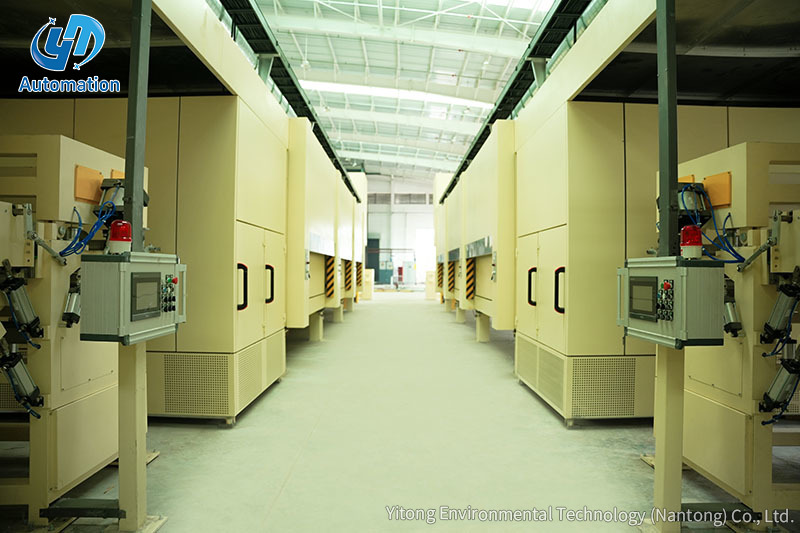
Modern lines are equipped with sophisticated sensors and PLC (Programmable Logic Controller) systems. These systems monitor everything from the resin temperature to the exact moisture content of the paper as it exits the drying tunnel. This high degree of automation means fewer manual interventions and a significant reduction in waste.
For facility managers and engineers, the technical specs are vital for calculating ROI and floor space requirements. Below is a summary of what to expect from a standard high-efficiency one-stage setup.
| Feature | Standard Capability |
| Working Width | 1250mm, 1550mm, 1850mm, 2150mm (Customizable) |
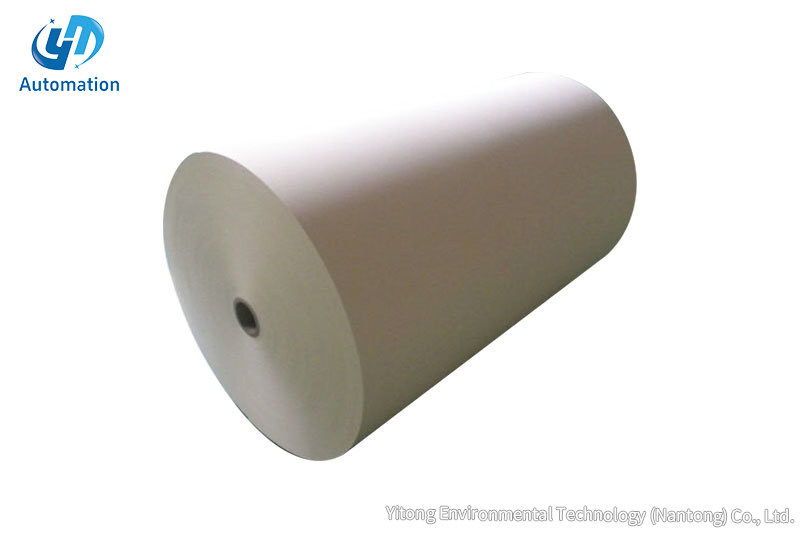
| Raw Material | Decorative paper, Kraft paper, Overlay paper |
| Resin Type | Melamine Resin, Urea Resin, Phenolic Resin |
| Heating Source | Hot air, Thermal oil, or Natural gas |
| Production Speed | 20–50 meters per minute (depending on paper weight) |
| Glue Ratio | Approx. 70% |
While the One Stage Impregnation Line is versatile, it truly shines in specific applications. Its most common use case is in the production of high-pressure melamine decorative boards (HPL).
Because the system is so adept at handling the bottom-layer paper (often referred to as core paper or balance paper), it allows manufacturers to produce high volumes of structural and decorative sheets used in:
Office Furniture: Desks and partitions that require high durability.
Flooring: The balancing layer of laminate flooring.
Kitchen Cabinetry: Interior surfaces that need to be easy to clean and moisture-resistant.
As the industry moves toward "Industry 4.0," the integration of smart technology into impregnation lines is becoming standard. The One Stage Impregnation Line is designed with this future in mind. Its digital interface allows for real-time data tracking, enabling operators to identify bottlenecks or fluctuations in energy consumption instantly.
Furthermore, the drying modules are now more energy-efficient than ever. By optimizing the airflow and heat recovery systems, these lines minimize the carbon footprint of the impregnation process—a growing concern for global manufacturers.
Reduced Complexity: Fewer moving parts mean lower maintenance costs.
Consistency: The same resin application ensures uniform board quality.
Space-Saving: The horizontal, one-stage layout is often more compact than multi-stage configurations.
User-Friendly: Highly automated systems require less intensive training for operators.
The introduction of the One Stage Impregnation Line represents a significant step forward for the wood-based panel industry. By combining a simpler mechanical structure with high-output capabilities, it provides a practical solution for companies looking to scale their production without sacrificing quality. Whether you are producing bottom-layer paper for HPL or standard decorative sheets for furniture, this line offers the precision, efficiency, and automation necessary to stay competitive in today's market.
As the demand for high-quality, durable decorative surfaces continues to grow, investing in reliable impregnation technology is no longer optional—it is a requirement for growth.
Contact Us
Recommended Products
Let’s Get In
Touch
Yitong Environmental Technology (Nantong) Co., Ltd is a manufacturer specializing in impregnation equipment.


Contact Us
Phone: 13073202297 / 13023568111(WhatsApp/Wechat)
Email: [email protected] / [email protected]
Add:No.369, Nanhai Road, Tongzhou Bay, Nantong, Jiangsu, China


 English
 中文简体
中文简体
 русский
 عربى
عربى