Content
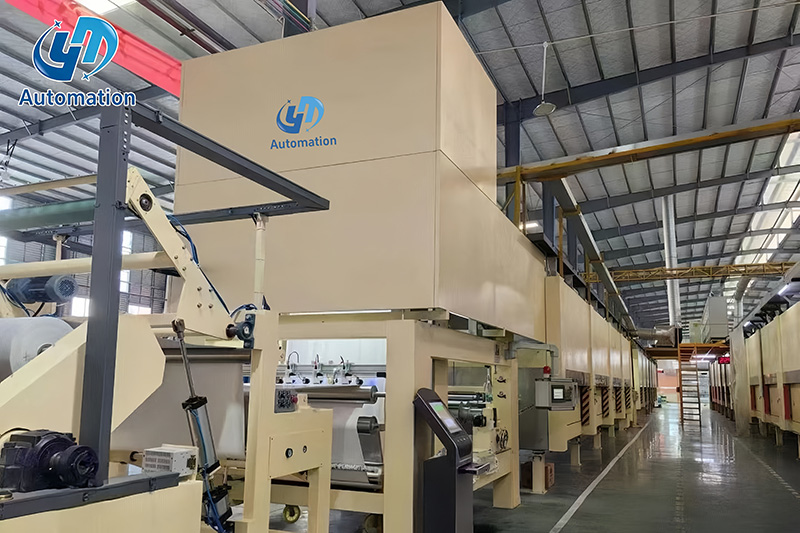
In the fast-paced world of manufacturing and paper processing, precision and durability are the cornerstones of success. As industries strive for higher output and lower waste, the equipment used at the very beginning of the production line becomes critical. Today, we take an in-depth look at a cornerstone of modern converting lines: the Rotary Unwinder.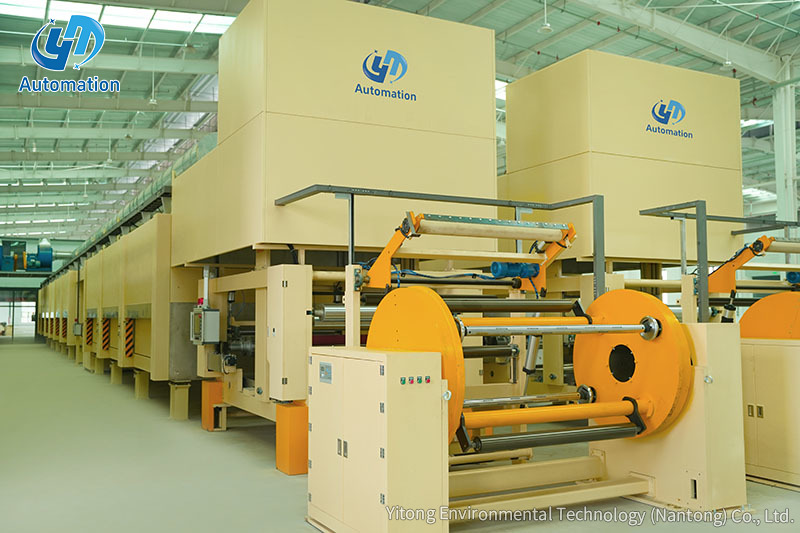
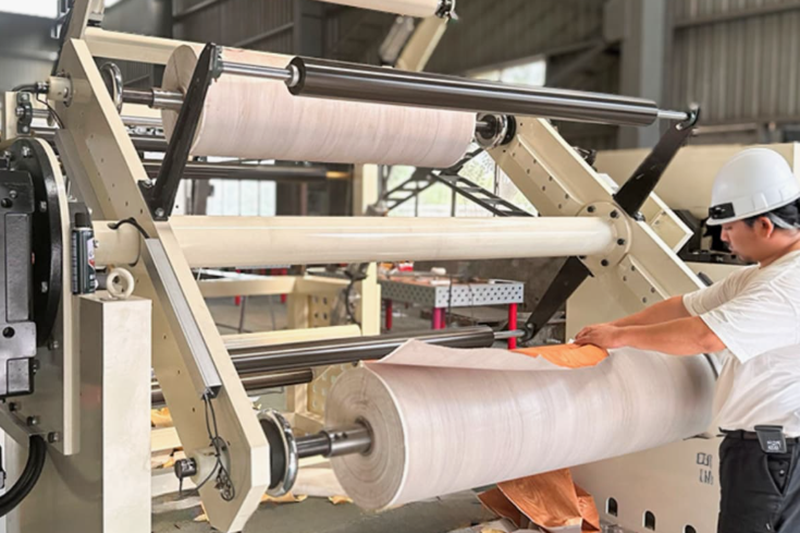
This essential piece of machinery is designed to handle the heavy lifting of raw material rolls while maintaining the delicate balance of tension required for high-quality finished products. By combining a rugged structural build with sophisticated automated systems, this unwinder is setting new standards for reliability in the workplace.
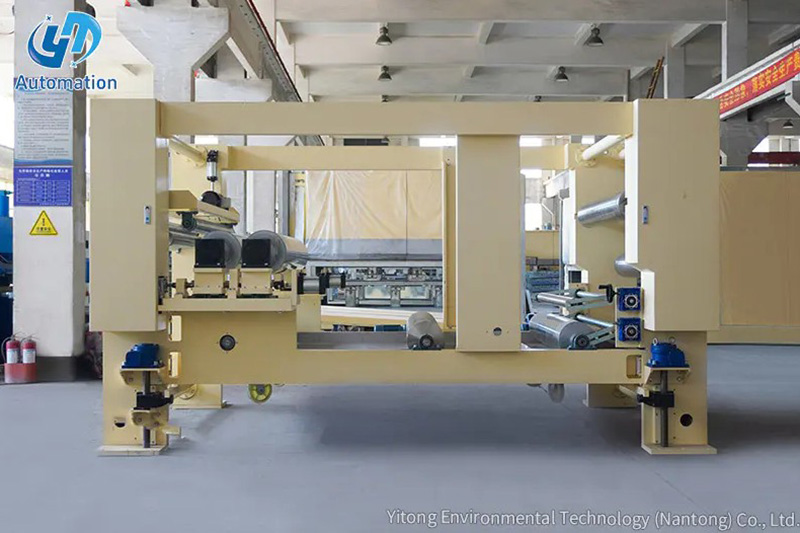
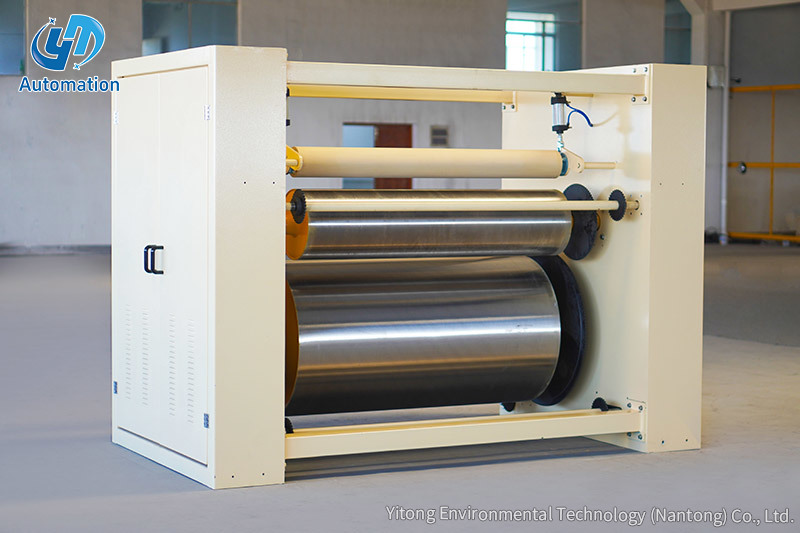
At the heart of any heavy-duty industrial machine is its skeleton. The Rotary Unwinder is engineered with a focus on structural integrity to withstand the constant vibrations and immense weight of industrial-sized paper rolls.
The frame, or "rack," of the unwinder is constructed from high-tension A3 steel plate. This material is specifically chosen for its excellent weldability and toughness. Through a meticulous steel welding process, the frame becomes a unified, rigid body capable of supporting high-speed operations without deforming over time.
Safety is paramount when dealing with large, rotating masses. The reel support system features a specialized safety clamp design. This ensures that the scroll release shaft—standardized at a $\Phi76$mm diameter—is locked firmly in place. This design prevents accidental dislodging of the roll, protecting both the operators and the surrounding machinery.
| Feature | Specification Details | Benefit |
| Frame Material | High-tension A3 Steel Plate | Superior durability and vibration resistance |
| Construction Method | Precision Steel Welding | Long-term structural stability |
| Support Type | Safety Clamp System | Enhanced operator safety and secure loading |
| Shaft Diameter | $\Phi76$mm | Industry-standard compatibility |
While the frame provides the muscle, the tension control system provides the brain. One of the most common challenges in paper processing is the "slack and snap" phenomenon—where paper either becomes too loose, causing wrinkles, or too tight, leading to costly tears and downtime.
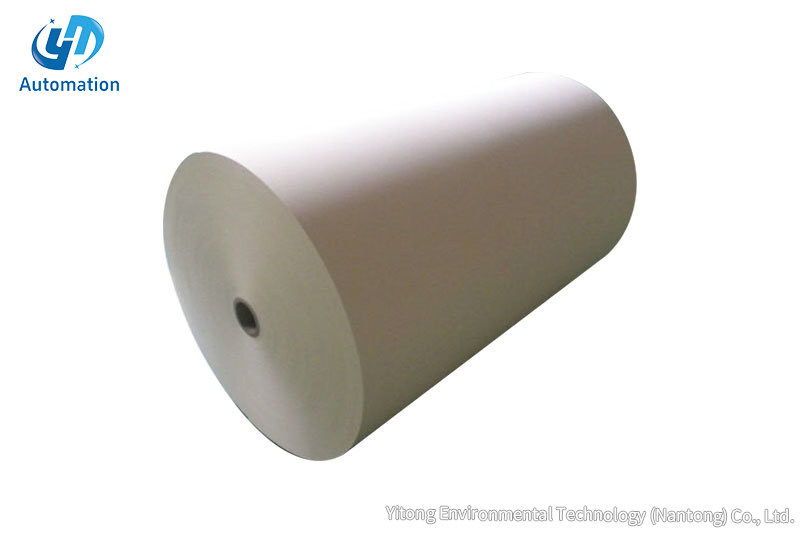
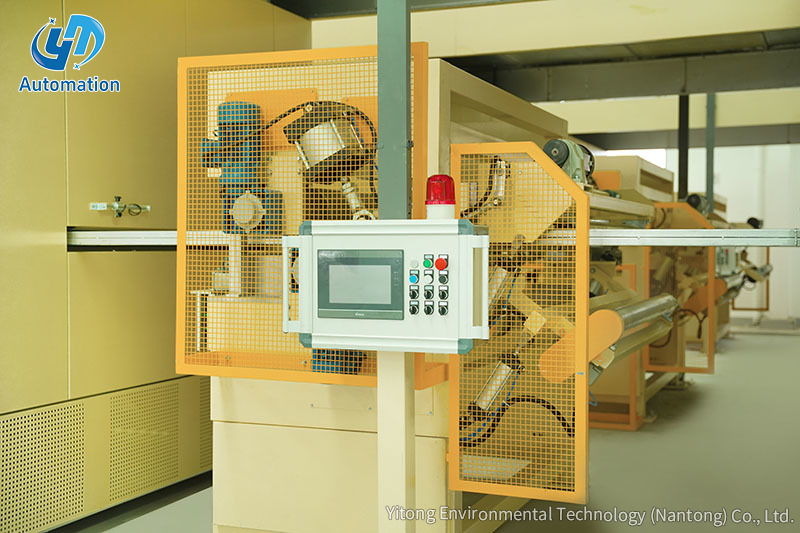
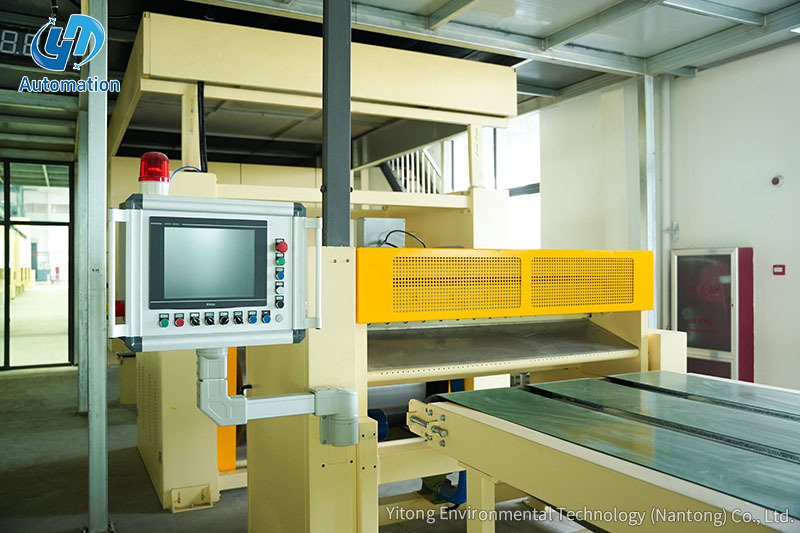
The Rotary Unwinder features a fully automated tension control system. As the roll of paper (the "base paper") decreases in diameter during the production process, its weight and inertia change. A manual system would require constant operator intervention to adjust the braking force. However, this automated system monitors these changes in real-time.
By constantly sensing the pull of the paper, the system automatically adjusts the resistance on the reel. This ensures that the base paper maintains the exact tensioning degree set by the operator at the start of the run. Whether the roll is full (maximum diameter) or near the core, the tension remains constant, leading to a perfectly uniform end product.
| Tension Variable | Manual Handling Risk | Automated System Solution |
| Roll Diameter Change | Requires frequent manual braking adjustments | Automatically scales tension based on roll size |
| Material Consistency | High risk of paper breakage or "web wander" | Maintains a steady "set point" for smooth feeding |
| Operator Workload | High; requires constant monitoring | Low; "set it and forget it" functionality |
The shift toward the Rotary Unwinder is driven by the need for "Smart Manufacturing." In an era where profit margins are thin, the ability to reduce waste—specifically the waste caused by paper tears or uneven winding—is a massive competitive advantage.
Reduced Downtime: Because the frame is made of high-grade A3 steel, maintenance requirements are significantly lower than lighter, bolted-together frames.
Versatility: The $\Phi76$mm scroll release shaft is the industry standard, allowing factories to use various paper grades and roll widths without needing custom adapters.
Consistency: The automated tension system removes human error from the equation, ensuring that the first meter of paper is processed exactly like the last.
For facility managers and engineers looking to integrate this technology into their existing lines, understanding the physical and functional layout is key. The following table summarizes the core components that make this machine a reliable partner in production.
| Component | Function | Technical Highlight |
| Rack (Main Frame) | Primary Load Bearing | High-tension welded A3 steel |
| Reel Support | Roll Attachment | Safety clamp mechanism |
| Scroll Release Shaft | Core Interface | $\Phi76$mm diameter |
| Tension Controller | Force Regulation | Real-time automatic adjustment |
| Base Paper Guide | Path Alignment | Ensures centered feeding into the line |
As we look toward the future of industrial automation, the emphasis is moving away from just "moving things" and toward "controlling things." The Rotary Unwinder represents this transition perfectly. It is no longer enough to just hold a roll of paper; the machine must interact with the material, sensing its weight and resistance to provide a seamless flow of data and movement.
By investing in high-tension steel construction and automated tensioning logic, manufacturers are not just buying a machine—they are buying peace of mind. They are ensuring that their production lines can run faster, longer, and with fewer interruptions.
In conclusion, the Rotary Unwinder stands as a testament to what happens when rugged mechanical engineering meets smart control logic. It is a vital tool for any business serious about scaling their paper or film processing capabilities while maintaining the highest possible quality standards.
Contact Us
Recommended Products
Let’s Get In
Touch
Yitong Environmental Technology (Nantong) Co., Ltd is a manufacturer specializing in impregnation equipment.


Contact Us
Phone: 13073202297 / 13023568111(WhatsApp/Wechat)
Email: [email protected] / [email protected]
Add:No.369, Nanhai Road, Tongzhou Bay, Nantong, Jiangsu, China


 English
 中文简体
中文简体
 русский
 عربى
عربى