Content
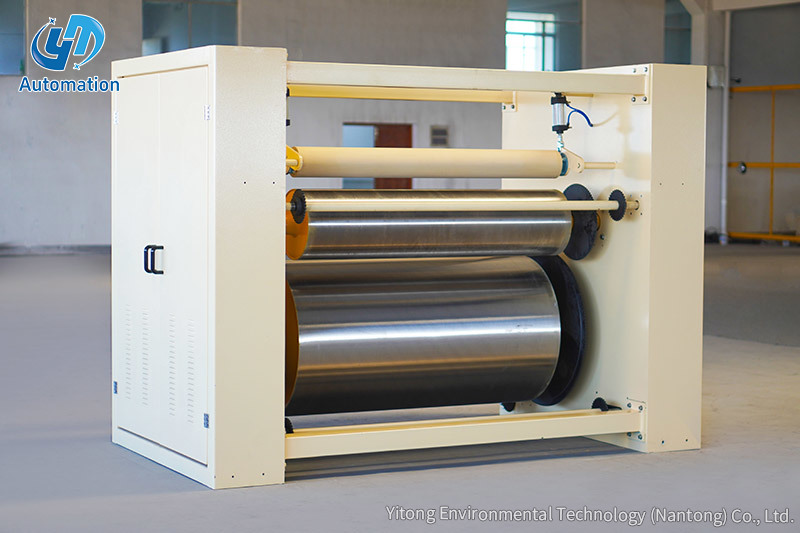
The core benefit of a Rotary Unwinder is that it keeps a continuous web of material feeding into a printing, laminating or converting line at a controlled speed and tension, which directly reduces machine downtime, cuts material waste from missed splices and produces more consistent output than manual or static unwind setups. Industry reporting on web handling equipment shows just how much is at stake in this single function: for thin gauge or thick specialty substrates that come on shorter rolls, production lines can require a roll change every two to three minutes, and if operators need that same two to three minutes to complete a manual splice, downtime can quickly consume up to 50 percent of total available production time. A properly specified rotary unwinder is built specifically to close that gap.
The single most valuable benefit of a rotary unwinder over a basic unwind stand is its ability to keep material flowing through a roll change rather than forcing a full production stop. According to a technical overview published on rotary unwinder equipment, automated configurations integrate splicing or roll change capability that allows production to continue uninterrupted when one roll is exhausted, a capability manual or static unwind stands simply do not offer. Two splicing methods are commonly used to achieve this, and the right choice depends on production speed and how much interruption a given line can tolerate.
| Splice Method | How It Works | Best Fit |
| Zero Speed Splicing | Web briefly stops at the splice point while the line runs from an accumulator | Moderate speed lines with buffer capacity |
| Flying Splicing | Splice made at full running speed using adhesive tabs on the new roll | High speed paper, film and flexible packaging lines that cannot tolerate any stop |
Industry analysis of non stop unwinding systems confirms that flying splice technology delivers real operational value beyond simply avoiding a stop, since operators no longer need to extend downtime for reel changes to accomplish other tasks, because that downtime never has to occur in the first place. This directly frees up saleable production capacity that would otherwise be lost to routine roll changes.
Beyond keeping the web moving, a rotary unwinder's active tension control system is what actually protects product quality throughout the run. Reporting from converting industry trade publications identifies tension control as the single most essential factor in winding and unwinding efficiency, describing it as a highly dynamic process that must be managed consistently across the entire line, from the unwind stand through to the final winder. Guidance on unwind stand design confirms the payoff of getting this right, noting that a properly designed and tuned tension system prevents wrinkles, breaks and uneven edges, which otherwise cost hours of downtime and compromise product consistency across an entire run.
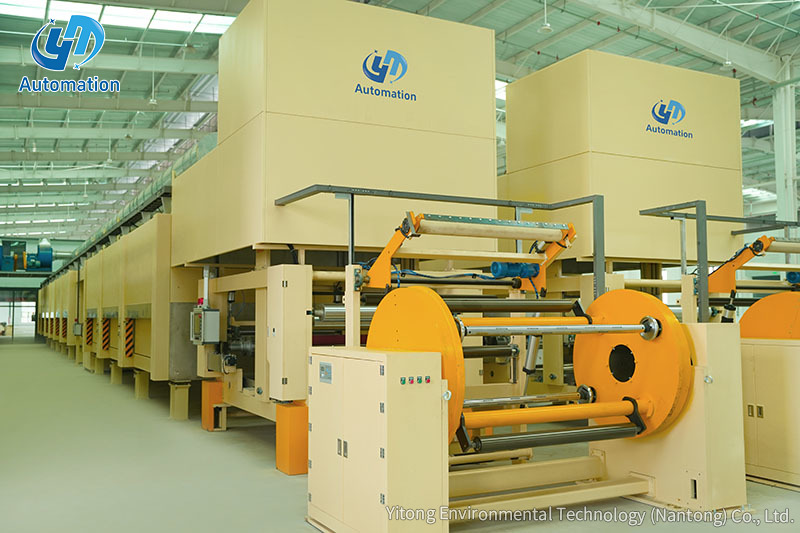
Every splice that fails to transfer cleanly from the expiring roll to the new one creates a cascading cost. Converting industry guidance on winding and unwinding best practices states plainly that each missed unwind splice leads to significant downtime, since it requires re threading the entire machine and cleaning up the resulting waste, making splice reliability one of the most important practices for limiting both downtime and material loss. A rotary unwinder's role in this process is to maintain steady, predictable tension right through the splice event itself, since tension fluctuates significantly during a roll transition and a poorly controlled system needs a much longer period to stabilize, extending the window where scrap and quality issues can occur.
Automated tension and splicing functions also reduce how much a production line depends on operator skill and manual timing precision. Equipment analysis of automated label finishing systems notes that separate automatic tension controls require less operator intervention, which minimizes the need for a highly skilled press operator to run the line effectively. This matters directly for staffing flexibility and training time, since a rotary unwinder with automated tension and splicing functions lets a broader range of operators run the line consistently rather than depending on a small group of specialists to manage manual roll changes correctly every time.
A further practical benefit shows up in material economics rather than machine uptime. Guidance on unwinder and rewinder equipment for label production notes that using a properly sized external unwinder allows the use of larger rolls than would typically fit inside a built in unit, which helps reduce cost per label and reduces how often rolls need to be changed or spliced together in the first place. Fewer, larger roll changes compound the downtime and waste savings already gained from automated splicing, since the line spends a smaller share of total run time on roll transitions overall.
The benefits of a rotary unwinder come down to protecting production time and material that would otherwise be lost to manual roll changes, tension instability and missed splices, with industry reporting showing that manual splicing on fast changing rolls can consume up to half of total available production time if left unaddressed. Between continuous flying or zero speed splicing, precise automated tension control and support for larger roll capacities, a well specified Rotary Unwinder gives converting, printing and laminating operations a direct path to higher uptime, lower scrap rates and more consistent finished product quality.
Contact Us
Recommended Products
Let’s Get In
Touch
Yitong Environmental Technology (Nantong) Co., Ltd is a manufacturer specializing in impregnation equipment.


Contact Us
Phone: 13073202297 / 13023568111(WhatsApp/Wechat)
Email: [email protected] / [email protected]
Add:No.369, Nanhai Road, Tongzhou Bay, Nantong, Jiangsu, China


 English
 中文简体
中文简体
 русский
 عربى
عربى