Content
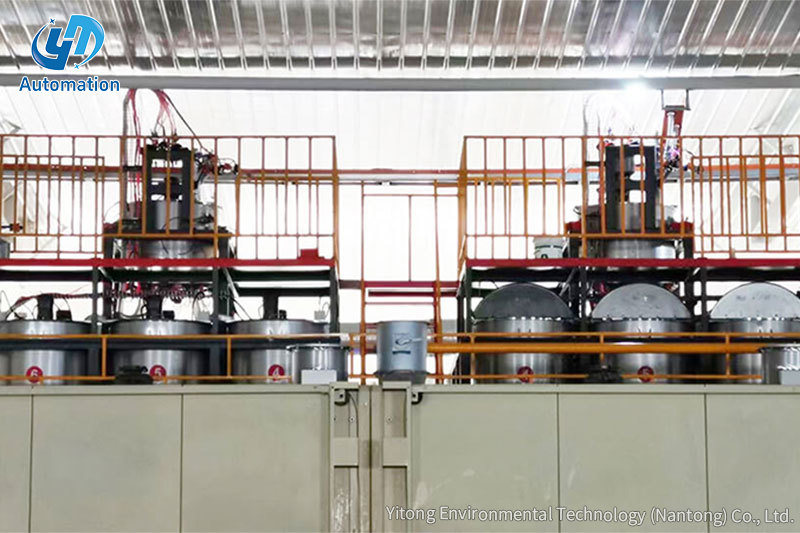
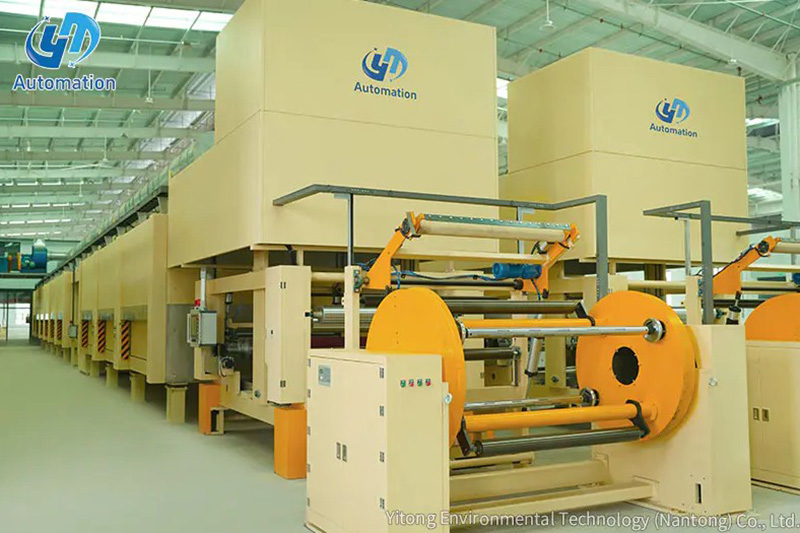
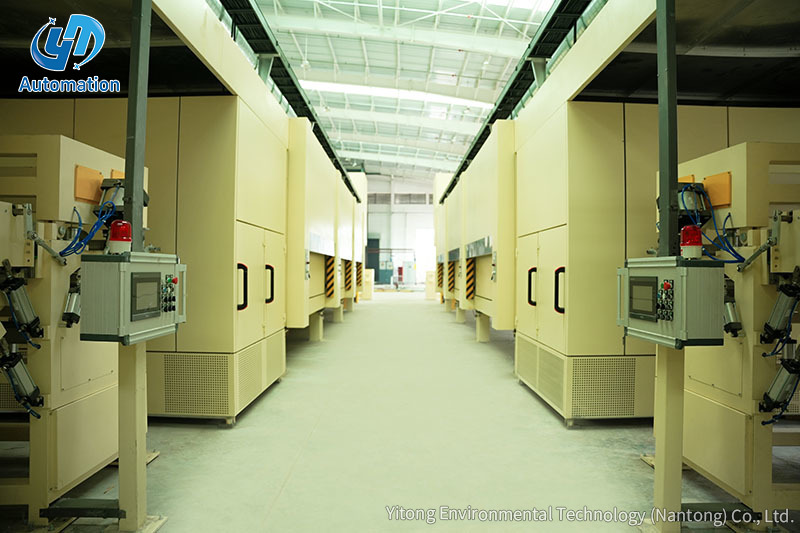
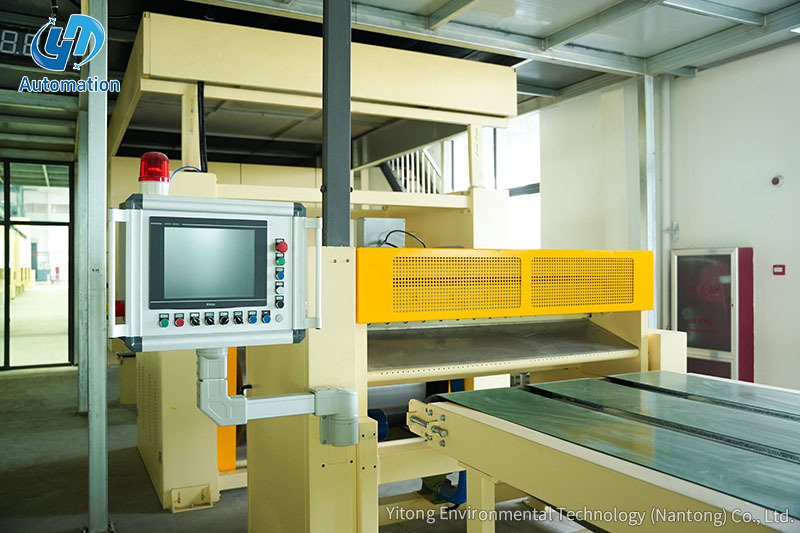
In the decorative paper industry, the initial contact between raw paper and melamine or urea resin defines the quality of the final laminate. A One-Step Impregnation Station is engineered to perform the complex task of resin penetration and precise measurement in a single, continuous movement. Unlike multi-stage systems that may require separate handling for saturation and scraping, the one-step station integrates all critical components—from the glue groove lifting system to the measuring adjustment device—into a unified, high-performance module.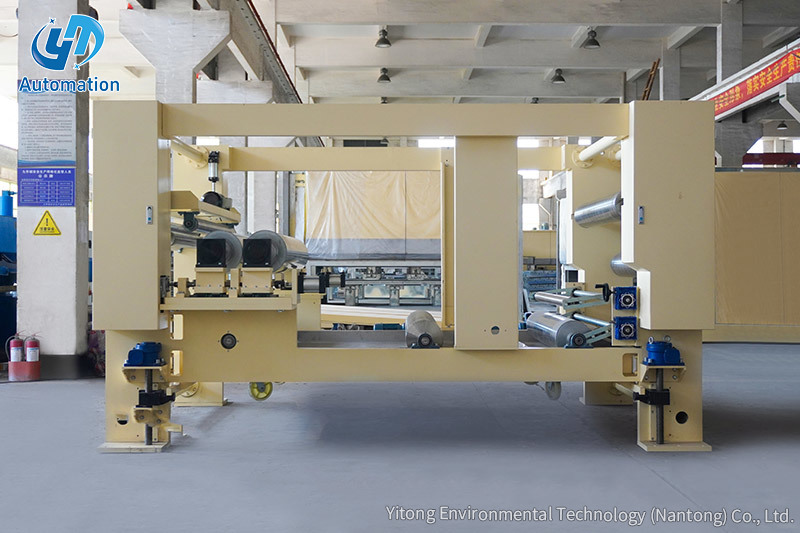
This level of integration is essential for maintaining a consistent resin pick-up rate. Whether you are producing surface overlays or heavy base layers for flooring, the ability to control the exact milligrams of resin per square meter determines not only the visual clarity of the paper but also its wear resistance and pressing characteristics in the short-cycle press.
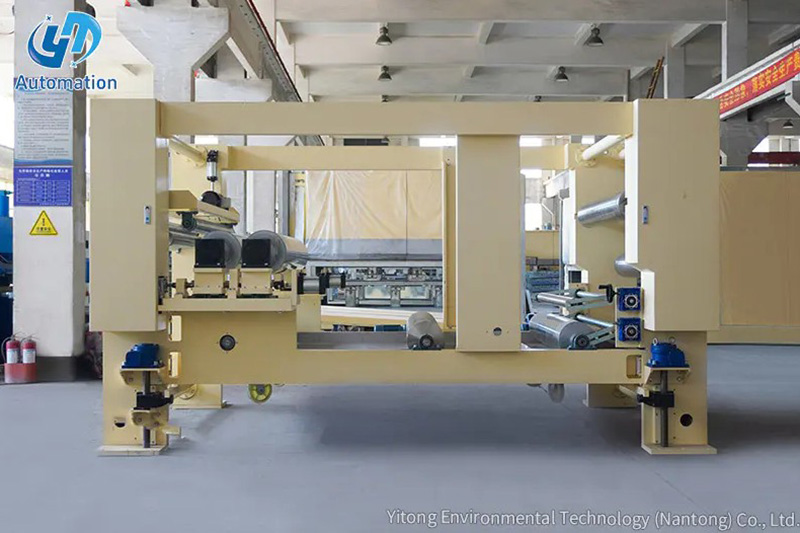
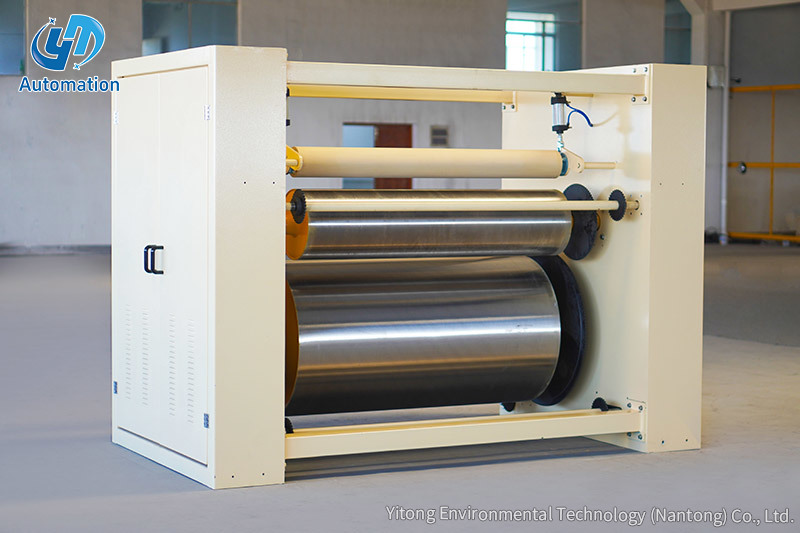
The efficiency of a one-step station stems from its sophisticated mechanical composition. Every sub-system is designed to work in tandem to eliminate variations in glue application. The primary components include:
By housing the measuring adjustment device within the same frame as the impregnation roller, the system minimizes the distance the "wet" paper travels. This reduces paper tension fluctuations and prevents the fragile, resin-soaked web from tearing at high production speeds.
The chemical environment of an impregnation line is notoriously harsh. Resin residues can be corrosive and difficult to clean once they begin to cure. Therefore, the material engineering of the station is a key factor in its long-term ROI. The frame utilizes high-tension steel for structural stability, while critical contact points are reinforced with premium alloys.
| Structural Component | Material Specification | Operational Advantage |
|---|---|---|
| Main Frame | High-Tension Steel Plate | Vibration damping & long-term alignment |
| Frame Table (Glue Contact) | SUS304 Stainless Steel | Zero corrosion & easy cleaning |
| Welding Method | High-Precision Steel Welding | Structural integrity under heavy load |
| Measuring Rollers | Hard Chrome Plated / Specialized Steel | High wear resistance & ±0.01mm precision |
The use of SUS304 stainless steel at all contact sites with the glue ensures that no rust particles contaminate the resin bath. This is vital for light-colored or white decorative papers, where even a microscopic particle of oxidation could result in a rejected sheet.
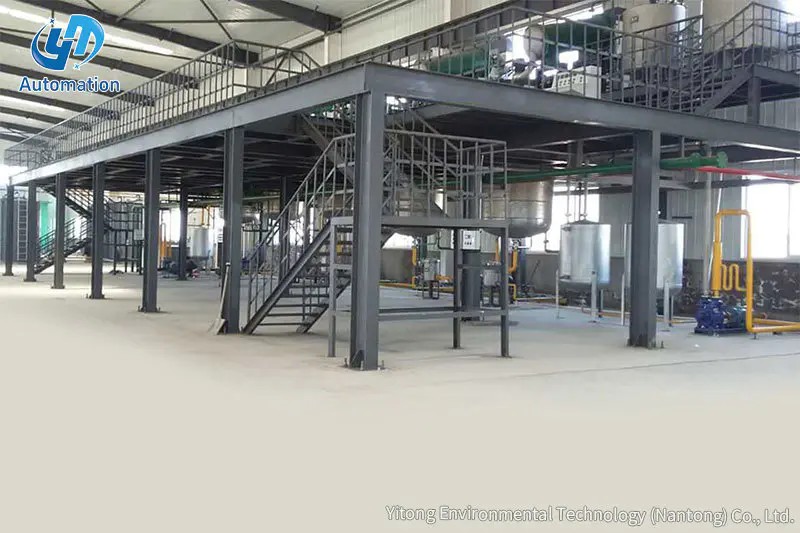
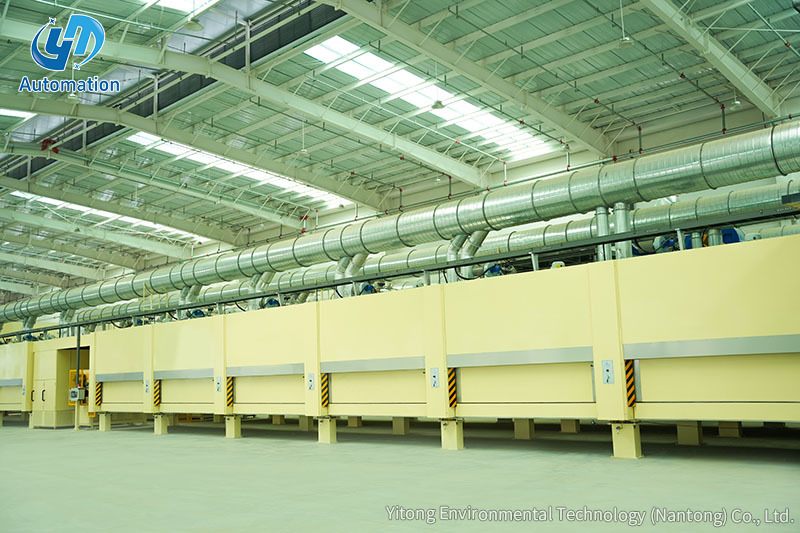
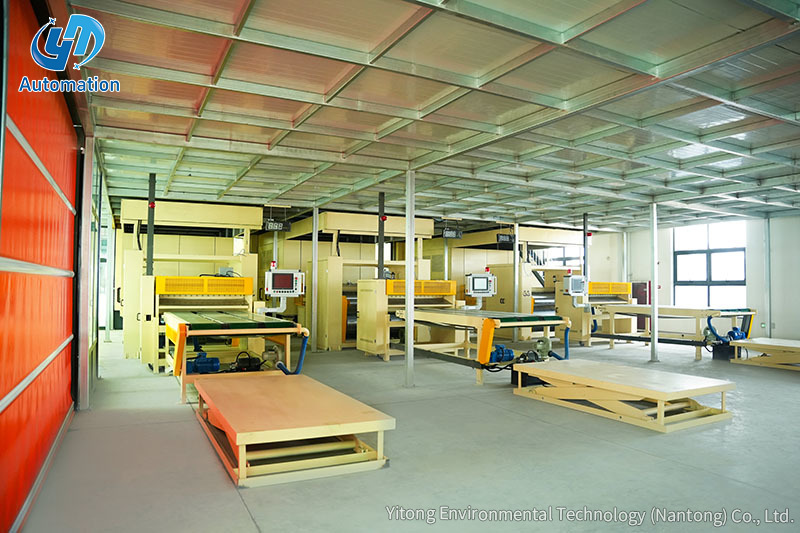
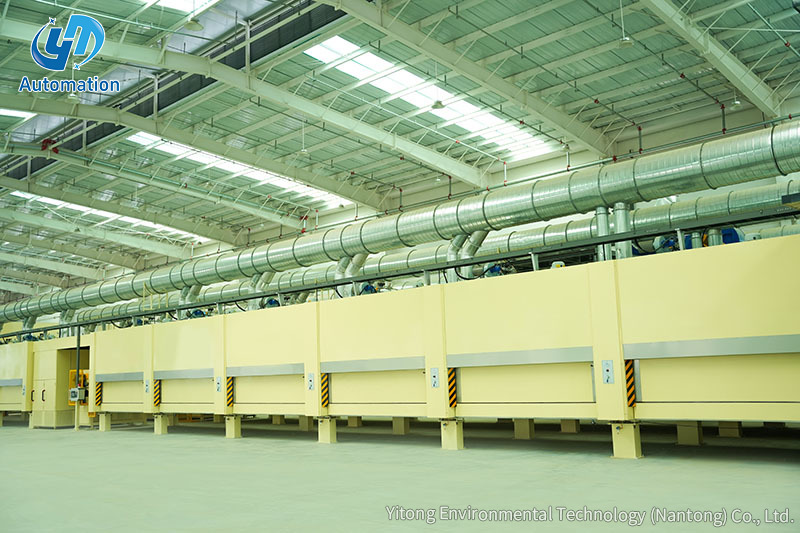
Space efficiency is a critical consideration for factory layout planning. The one-step impregnation station is designed with a compact yet accessible footprint. With a total length of 3.8 meters, it fits comfortably into standard factory halls without requiring extensive floor modifications.
Furthermore, the breathing height of 2.5 meters (single breath) refers to the vertical clearance required for paper travel and operator access. This specific height is optimized for the natural ergonomics of manual threading while providing enough "air time" for the resin to stabilize on the paper surface before it enters the drying section. This design philosophy maximizes the production capacity of the line while keeping the machinery manageable for maintenance staff.
The one-step system offers better synchronization, takes up less floor space, and significantly reduces paper waste during the initial threading process. It provides a more stable resin pick-up for high-speed lines.
SUS304 is highly resistant to the chemicals found in melamine and urea resins. It prevents corrosion and ensures that the glue remains free from metal contaminants that could ruin the decorative paper's appearance.
The adjustment device can typically control the gap between rollers with micrometer-level precision, allowing for a resin weight deviation of less than ±2g/m² across the entire width of the paper.
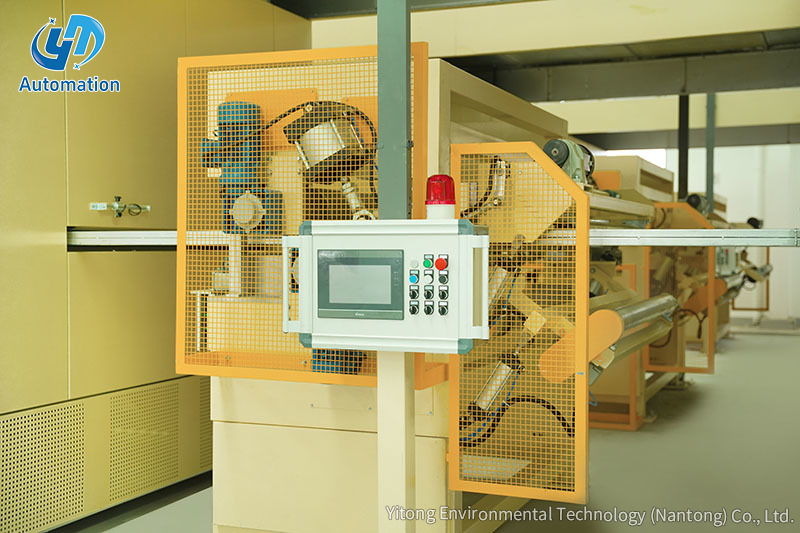
Yes, the electronic control system of the station is designed to interface with automated glue mixing and supply systems to ensure the resin levels are maintained automatically without manual refilling.
Contact Us
Recommended Products
Let’s Get In
Touch
Yitong Environmental Technology (Nantong) Co., Ltd is a manufacturer specializing in impregnation equipment.


Contact Us
Phone: 13073202297 / 13023568111(WhatsApp/Wechat)
Email: [email protected] / [email protected]
Add:No.369, Nanhai Road, Tongzhou Bay, Nantong, Jiangsu, China


 English
 中文简体
中文简体
 русский
 عربى
عربى