Content
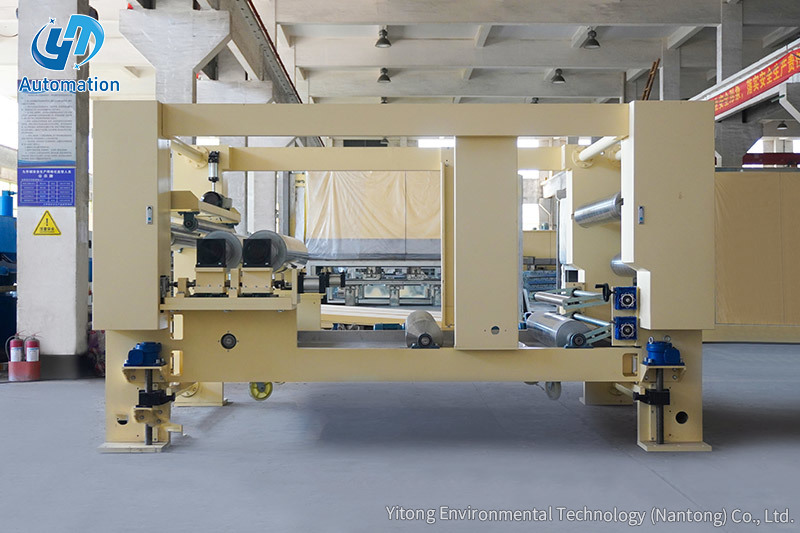
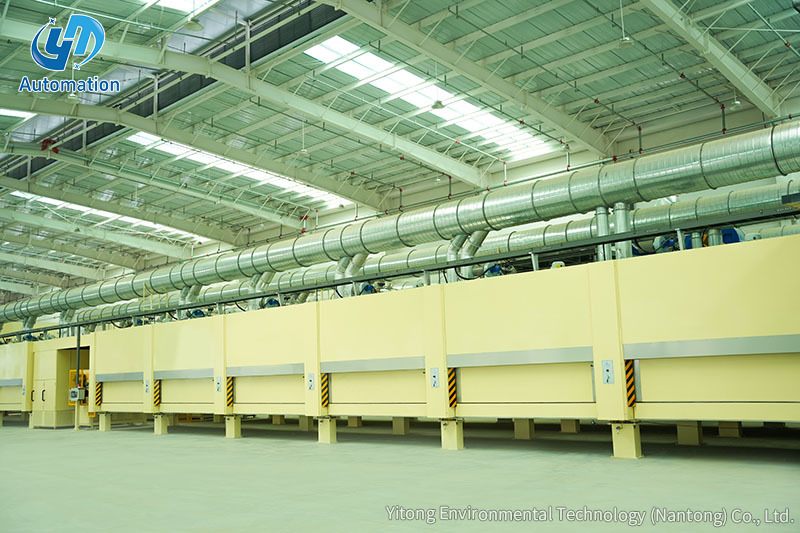
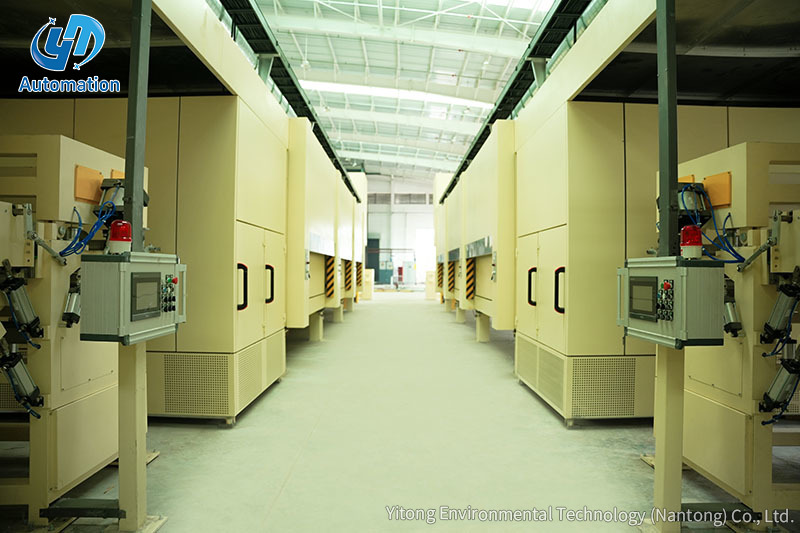
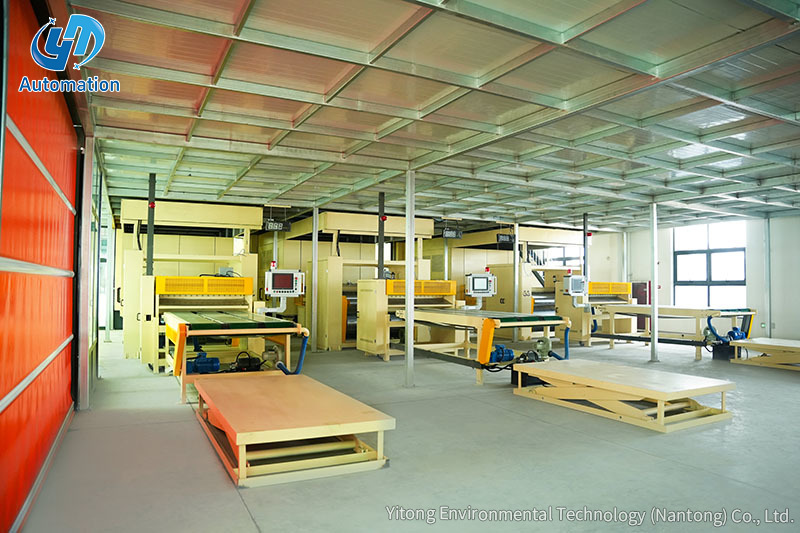
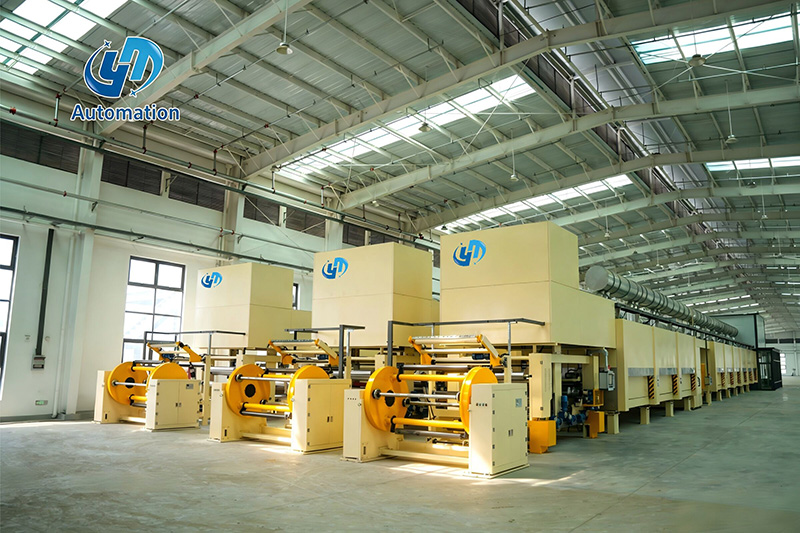
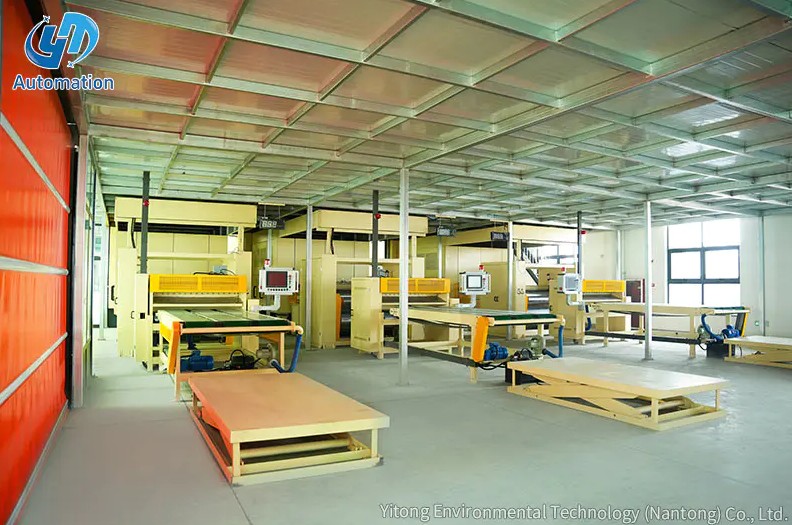
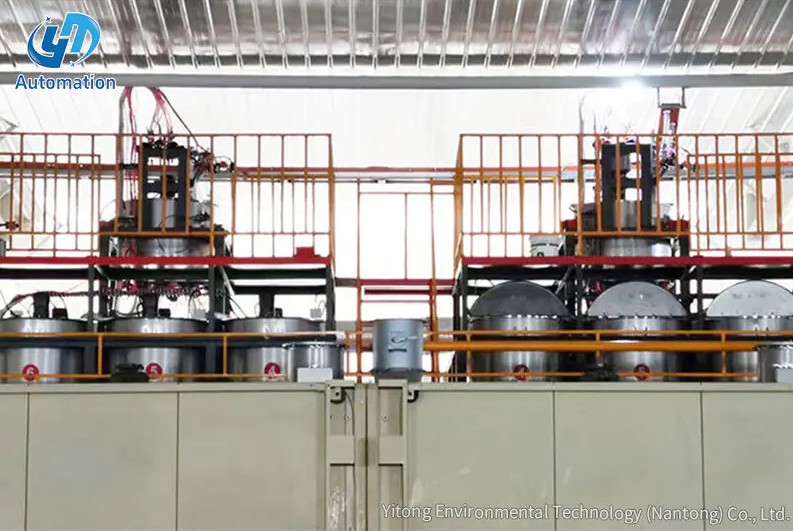
In the production of impregnated decorative paper, the drying stage is where the chemical transformation of the resin truly takes place. A high-performance Dryer for Impregnated Decorative Paper must manage the delicate balance between removing solvents and achieving the correct "B-stage" resin cure. If the drying is uneven, the paper becomes prone to cracking or "bleeding" during the subsequent pressing process. Modern industrial dryers are now engineered to provide high-velocity airflow and precise temperature gradients to ensure that every square meter of paper is treated identically.
To achieve this consistency, the mechanical heart of the system—the thermal motor—and the physical construction of the oven must work in perfect harmony. In a high-volume facility, even a 2% variance in drying uniformity can lead to significant waste in finished laminate flooring or furniture panels.
The airflow within a drying oven is only as reliable as the motor driving the fans. Our system utilizes the Y2-132M2-4P-7.5kw thermal motor, a powerhouse designed specifically for the rigorous environment of a chemical coating line. Operating at a steady 1450 rpm, this motor provides the high-torque performance necessary to circulate massive volumes of heated air through the internal ducts.
Because the drying process often involves temperatures exceeding 150°C, the motor features a Rotary Insulation Grade H. This is a critical specification for SEO-conscious buyers, as Grade H insulation is rated for temperatures up to 180°C, providing a significant safety margin and preventing premature motor failure due to thermal stress. Compared to standard Grade F motors, Grade H offers:
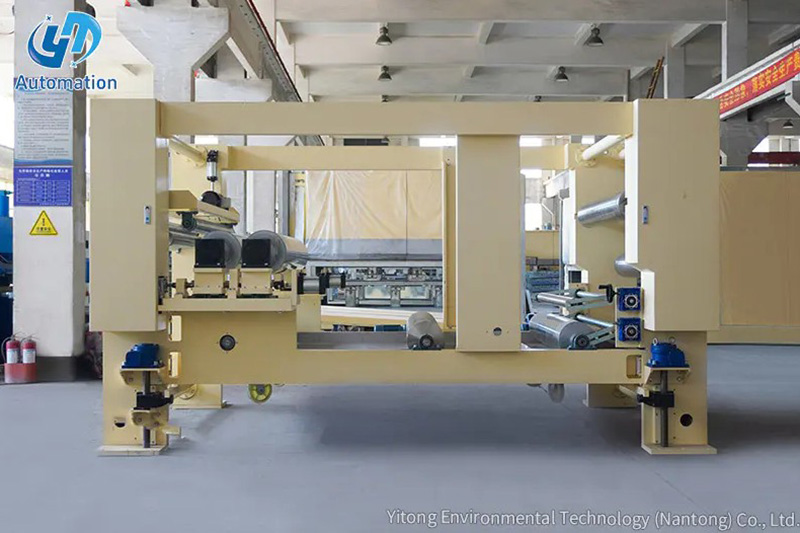
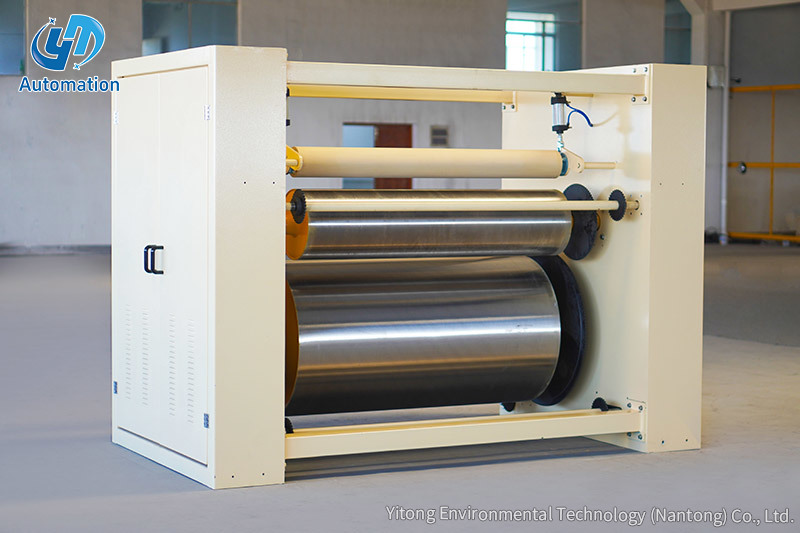
The external and internal architecture of the drying oven is designed to maximize heat retention while preventing corrosion from chemical off-gassing. The construction utilizes a dual-material approach to balance external durability with internal air hygiene.
| Component | Material / Specification | Functional Purpose |
|---|---|---|
| External Surface | High tension A3 Steel Plate | Structural rigidity and heat containment |
| Support Frame | Section Steel Welding | Prevents warping during thermal expansion |
| Internal Air Channels | 2mm Galvanized Sheet | Corrosion resistance against resin vapors |
| Welding Method | Continuous Seal Welding | Eliminates air leaks and heat loss |
By using 2mm galvanized sheets for the internal ducts, the system ensures that the airflow remains "clean." This is vital because any rust or debris flaking off from untreated steel would contaminate the decorative surface of the paper, leading to expensive reject batches.
One of the most challenging aspects of operating an impregnation line is the "paper drawing" phase—the moment when the paper is initially threaded through the dryer. In standard dryers, the sudden blast of air can tear the wet, fragile paper or cause it to flap uncontrollably.
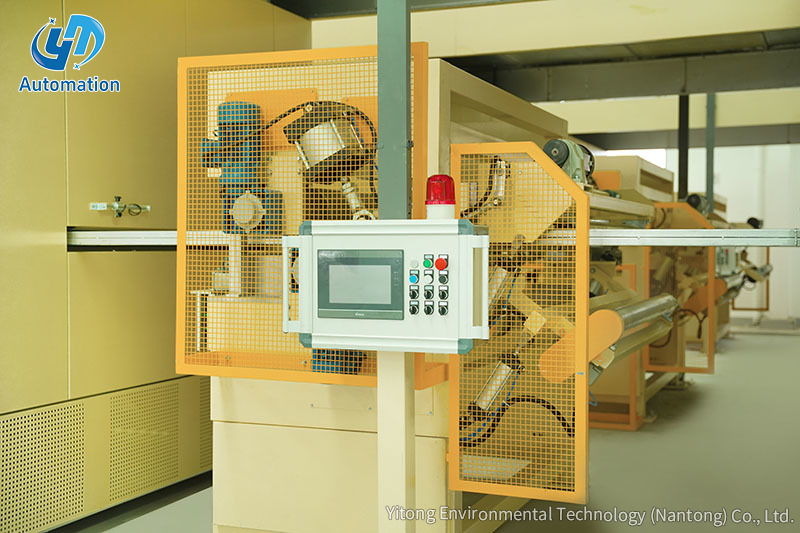
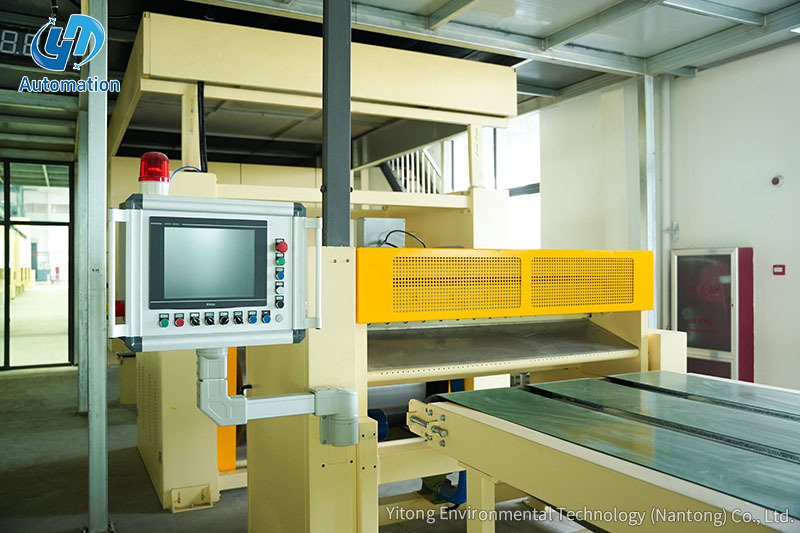
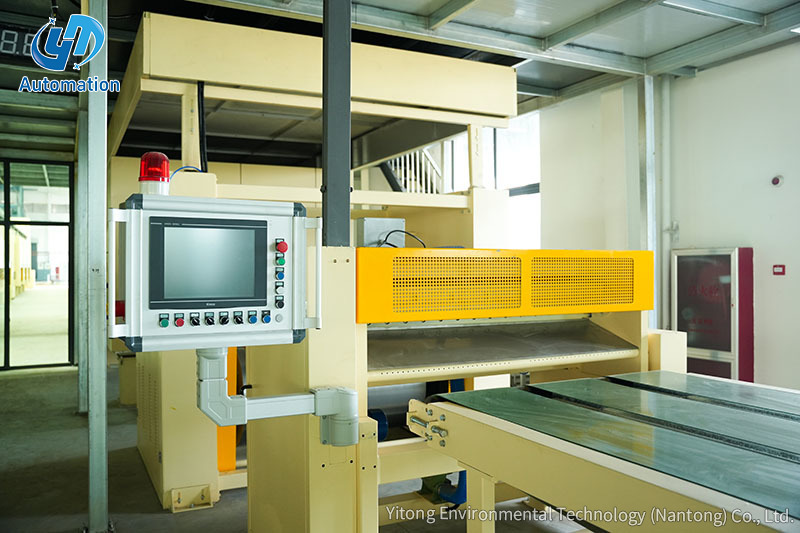
To solve this, our system implements Gradual Air Volume Control during the start-up phase. This allows operators to thread the paper at a lower air pressure, ensuring the sheet remains stable and centered. Once the paper is securely through the oven, the air volume is ramped up to its full production capacity. This feature reduces the time required for line setup by up to 30% and significantly decreases the risk of initial paper breaks.
Grade H insulation allows the motor to withstand higher internal temperatures (up to 180°C). This is essential in drying ovens where ambient heat and the load on the motor could otherwise cause the windings to burn out.
Galvanized steel prevents the formation of rust and scale inside the air channels. Since air is blown directly onto the decorative paper, using rust-resistant materials ensures no particles contaminate the resin-coated surface.
Yes, the gradual air control system can be integrated with the PLC to save specific "recipes" for different paper weights (e.g., 70g vs 120g), ensuring the optimal start-up speed for every job.
A3 steel is a high-tension carbon structural steel. It provides the durability needed for the oven to maintain its shape and seal during years of thermal expansion and contraction cycles.
Contact Us
Recommended Products
Let’s Get In
Touch
Yitong Environmental Technology (Nantong) Co., Ltd is a manufacturer specializing in impregnation equipment.


Contact Us
Phone: 13073202297 / 13023568111(WhatsApp/Wechat)
Email: [email protected] / [email protected]
Add:No.369, Nanhai Road, Tongzhou Bay, Nantong, Jiangsu, China


 English
 中文简体
中文简体
 русский
 عربى
عربى