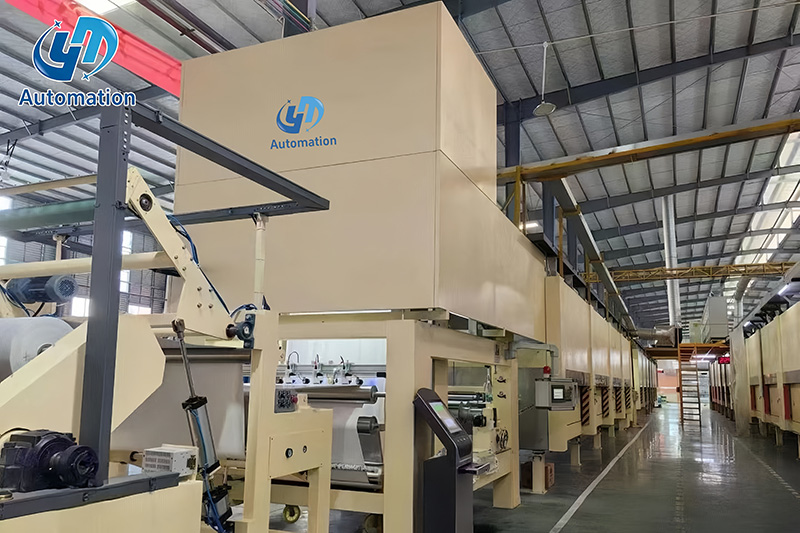
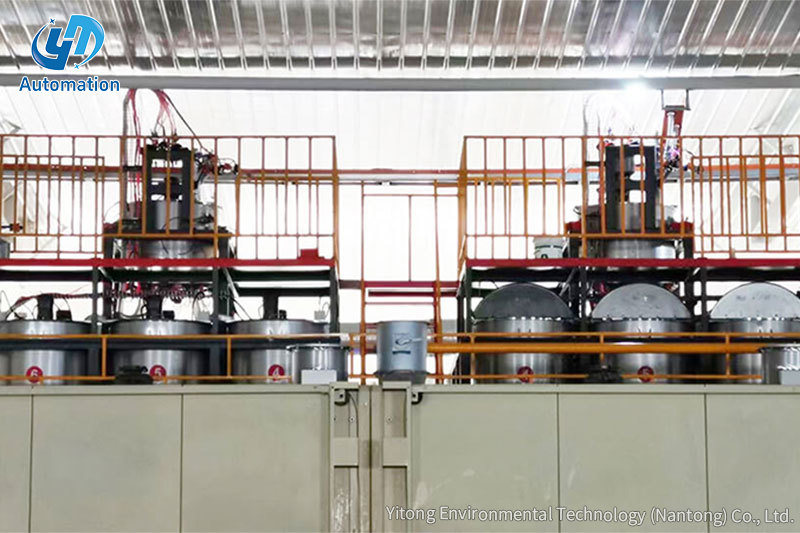
The single most critical factor in choosing glue making equipment is matching the equipment design to the chemical and physical properties of the adhesive being produced. Different adhesive types impose fundamentally different requirements on the reactor vessel, mixing mechanism, temperature control, and material handling system. Getting this wrong leads to product quality failures, equipment damage, and safety incidents.
| Adhesive Type |
Key Equipment Requirement |
Critical Feature |
| Hot melt adhesive (EVA, polyurethane) |
Heated tank with precision temperature control |
Temperature uniformity ±2°C; no dead zones |
| Water-based adhesive (PVA, acrylic emulsion) |
Stainless steel reactor with low-shear agitator |
No metal contamination; gentle mixing to prevent coagulation |
| Solvent-based adhesive (neoprene, SBS) |
Explosion-proof reactor with sealed vapor recovery |
ATEX-rated motors; solvent vapor containment |
| Epoxy / two-component adhesive |
Separate mixing and dispensing system |
Precise ratio control; fast purge capability |
| Pressure-sensitive adhesive (PSA) |
High-viscosity mixer with coat-weight control |
Rheology control; shear stability during mixing |
Equipment requirements by adhesive chemistry type
Production Volume and Batch Size: Scale Determines Equipment Class
Your required daily or weekly output volume directly determines the appropriate class of glue making equipment:
- Small-scale / R&D (up to 200 liters per batch): Laboratory-scale reactors or pilot-scale mixing tanks with manual or semi-automatic operation. Flexible and low-cost, but labor-intensive per unit output. Suitable for product development, small specialty batches, and startups.
- Mid-scale production (200–5,000 liters per batch): Industrial batch reactors with programmable temperature profiles, automated ingredient dosing, and in-line viscosity measurement. This is the most common configuration for adhesive manufacturers serving regional markets.
- Large-scale / continuous production (above 5,000 liters per hour): Continuous mixing lines or large multi-reactor systems with automated raw material feeding, in-line quality monitoring, and automated filling. Capital-intensive but delivers the lowest cost per kilogram of finished adhesive at high volume.
Mixing Mechanism: Choosing the Right Agitator for Your Viscosity
The agitator (mixing element) inside the reactor vessel must be matched to the viscosity profile of the adhesive throughout the production process — formulas often start thin and thicken significantly during synthesis or cooling. The key agitator types and their application ranges:
- Anchor agitator: Large, slow-moving paddles that sweep close to the vessel wall; ideal for high-viscosity adhesives (above 5,000 cP) where uniform temperature distribution is critical to prevent wall burning or local overheating
- Disperser (high-speed saw-tooth disc): Creates high shear at the blade tip to break down agglomerates and disperse fillers uniformly; used for filled adhesives such as tile adhesives and structural epoxies
- Turbine agitator: Generates both radial and axial flow; suitable for low to medium viscosity water-based emulsions where good bulk mixing without excessive shear is needed
- Planetary mixer: The mixing tool orbits the vessel while rotating on its own axis; covers the entire vessel volume without dead zones; required for very high viscosity pastes and sealants above 50,000 cP
Temperature Control: Heating, Cooling, and Precision
Many adhesive manufacturing processes are highly temperature-sensitive. Reactor temperature control capability affects both product quality and production safety:
- Jacket heating and cooling: Hot water, steam, or thermal oil circulates through the vessel jacket; this is the most common and controllable method. Steam jacketing achieves heating rates of 1–3°C per minute in typical production vessels.
- Half-pipe coil jacket: Provides higher heat transfer area and faster heating/cooling rates than a simple jacket; preferred for temperature-sensitive formulas where overshoot must be minimized
- Internal coils: Used when additional heat transfer area is needed for large reactors or highly viscous products where jacket alone is insufficient
- For hot melt adhesives, the vessel and all pipework must maintain temperature uniformly — a temperature differential of more than 5–10°C between different zones can cause viscosity stratification that leads to inconsistent product
Vessel Material and Surface Finish
The vessel material must be chemically compatible with both the adhesive formula and the cleaning agents used between batches. Standard options are:
- 316L stainless steel (electro-polished): The standard for water-based, food-grade, and pharmaceutical adhesives; the Ra ≤ 0.8 µm surface finish minimizes product retention and facilitates CIP (clean-in-place) washing
- 304 stainless steel: Adequate for most non-chloride-containing adhesive formulas; lower cost than 316L but less resistant to chloride-induced pitting in aggressive cleaning environments
- Carbon steel (epoxy-lined): Used for solvent-based adhesives and hot melts where the solvent or temperature would corrode stainless but cost constraints limit the vessel specification
- Glass-lined steel: Required for highly corrosive formulas containing strong acids or unusual solvents that would attack any steel grade
Safety and Regulatory Compliance Requirements
Glue making equipment must comply with applicable safety and environmental regulations, which vary by adhesive type and production location:
- Solvent-based adhesive production: Requires ATEX-rated (or equivalent) electrical equipment throughout the production area, vapor extraction systems, solvent recovery or destruction units, and fireproof construction
- Pressure vessels: Reactors operating under vacuum or positive pressure must be designed and certified to the applicable pressure vessel standard (e.g., ASME Section VIII, PED in the EU)
- Wastewater treatment: Water-based adhesive production generates contaminated rinse water; check local discharge limits for COD and suspended solids before finalizing the production facility design




 English
 中文简体
中文简体
 русский
 عربى
عربى