Content
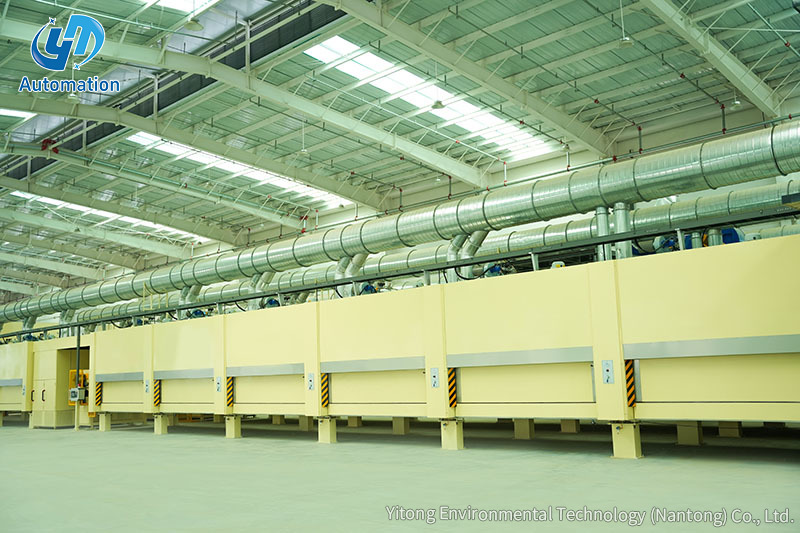
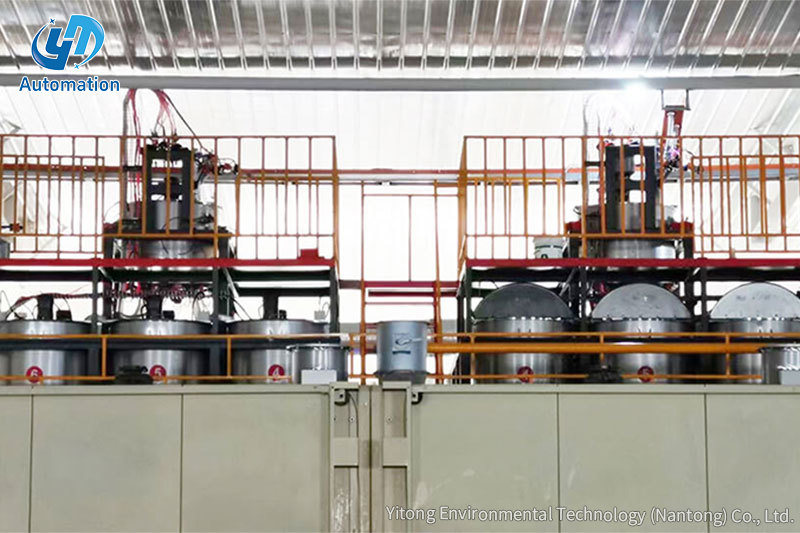
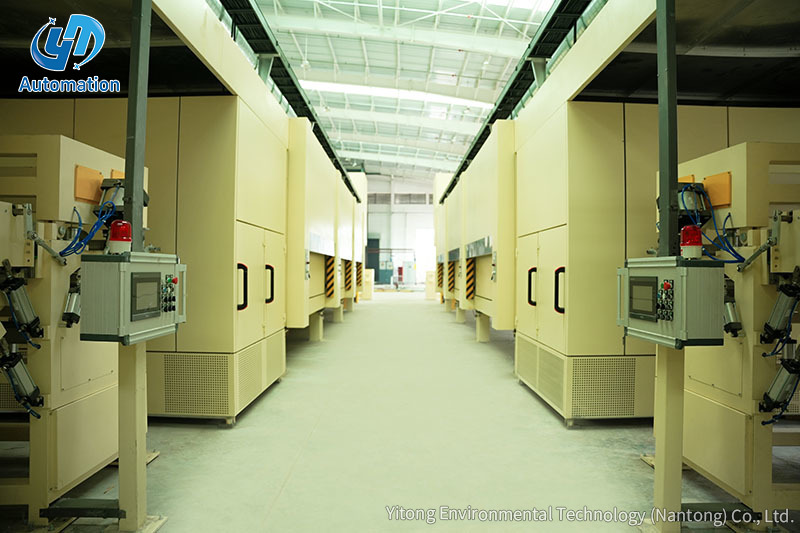
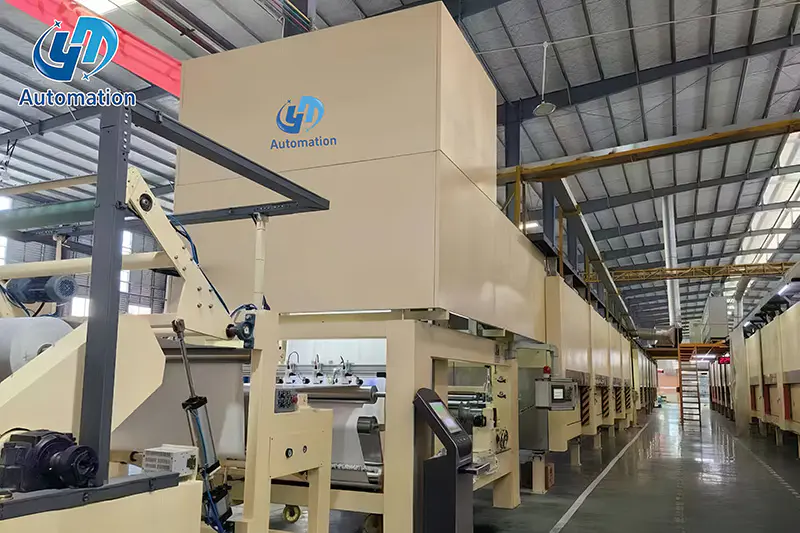
In the production of impregnated decorative paper, the transition from the resin bath to the final sheet requires extreme synchronization. A Synchronous Cutter is the definitive solution for manufacturers aiming to achieve high-speed throughput without sacrificing dimensional accuracy. As impregnated paper moves through the drying tunnels and toward the stacking unit, any slight discrepancy in cutting speed relative to the line speed results in tearing, buckling, or inconsistent sheet lengths.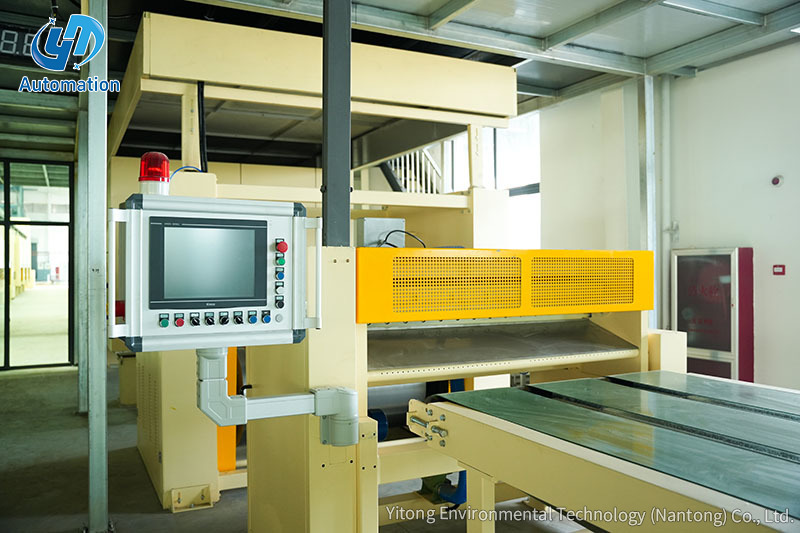
By utilizing advanced Servo Control technology, modern synchronous cutters eliminate the mechanical lag associated with older pneumatic or hydraulic systems. This ensures that every cut is executed at the exact millisecond required, maintaining a tolerance that meets the stringent standards of the laminate and furniture industries.
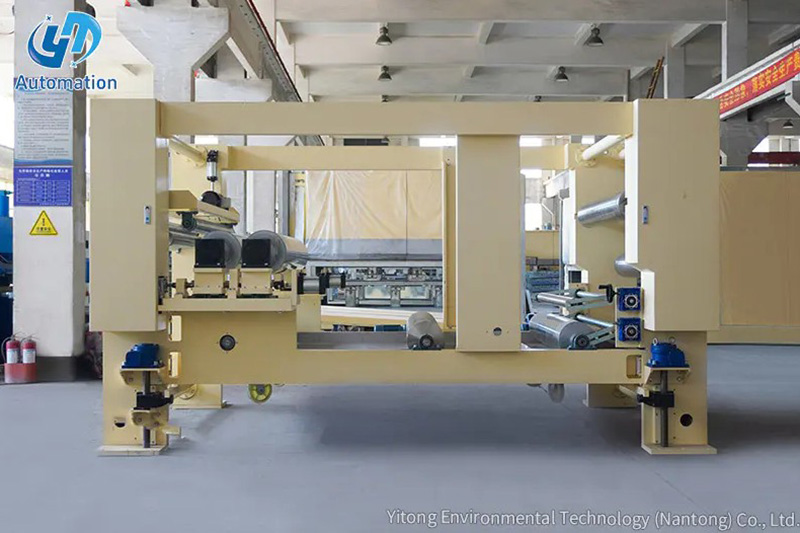
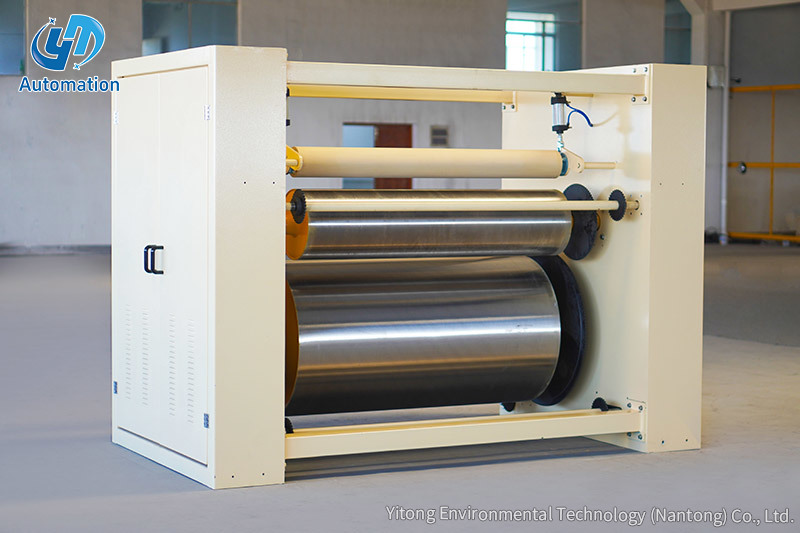
The heart of the synchronous cutter lies in its drive and cutting mechanism. Unlike standard rotary shears, the integration of a synchronous belt and synchronous wheel control ensures a zero-slip environment. This mechanical setup is vital for handling the delicate nature of resin-treated paper, which can be brittle or tacky depending on the resin stage.
The flail knife, governed by the synchronous wheel, operates with a specialized motion profile. Because it is powered by a high-response servo motor, the knife speed is dynamically matched to the paper’s linear velocity. This "flying cut" method means the paper never has to stop or slow down, allowing the impregnation line to run at speeds exceeding 30-50 meters per minute with perfect edge quality.
To maintain "synchronous" operation, the system must know the exact position and speed of the production line at all times. This is achieved through the rotary encoder sleeve shaft installation. By mounting the encoder directly onto the shaft, the system captures real-time data without the interference of backlash or vibration.
This feedback loop allows the servo controller to make micro-adjustments to the knife's position. If the line speed fluctuates by even 0.1%, the encoder detects the change and the synchronous cutter compensates instantly. This level of integration is what allows manufacturers to achieve a cutting accuracy of ±1mm or better across thousands of sheets.
Choosing the right cutter involves understanding the technical parameters that drive production efficiency. Below is a breakdown of the typical performance expectations for a servo-controlled synchronous system.
| Technical Parameter | System Specification | Operational Benefit |
|---|---|---|
| Control System | Full Servo Drive | High-speed responsiveness |
| Drive Transmission | Synchronous Belt/Wheel | Maintenance-free, no-slip drive |
| Encoder Mounting | Sleeve Shaft Installation | Superior data signal integrity |
| Knife Type | Automated Flail Knife | Clean cuts on treated paper |
One of the construction highlights often overlooked is the sleeve shaft installation for the encoder. This design choice protects the sensitive electronic components from the dust and resin particles common in impregnation environments. Furthermore, because the synchronous belt system requires no lubrication compared to traditional chain drives, the risk of oil contaminating the decorative paper is completely eliminated.
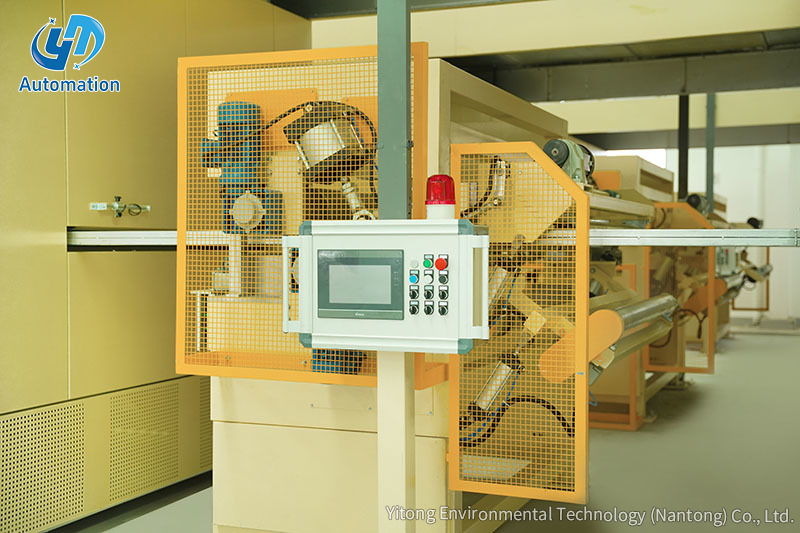
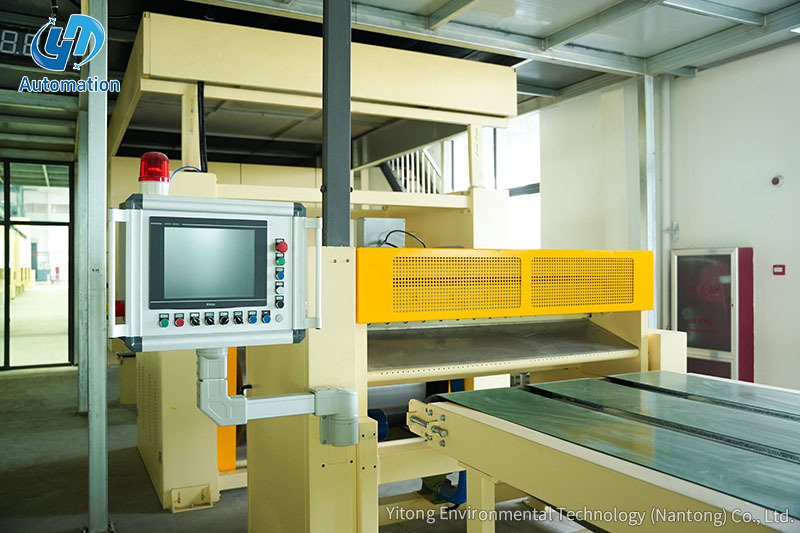
Regular calibration of the servo parameters through the control interface ensures that the system ages gracefully, compensating for any minor mechanical wear over years of 24/7 operation. For facilities processing high volumes of melamine-impregnated paper, this stability translates directly into lower scrap rates and higher profitability.
With a properly calibrated servo control and encoder feedback system, most synchronous cutters achieve an accuracy within ±1.0mm, even at high production speeds.
The flail knife torque and speed can be adjusted via the servo parameters. Whether you are cutting 60g/m² base paper or heavy 120g/m² impregnated overlays, the system maintains consistent performance.
Synchronous belts provide a smoother, quieter operation with zero backlash. Most importantly, they do not require grease, which prevents contamination of the decorative paper surface.
Yes. Because the system relies on an encoder sleeve shaft installation for synchronization, it can be integrated into most existing lines by mounting the encoder to a primary drive shaft.
Contact Us
Recommended Products
Let’s Get In
Touch
Yitong Environmental Technology (Nantong) Co., Ltd is a manufacturer specializing in impregnation equipment.


Contact Us
Phone: 13073202297 / 13023568111(WhatsApp/Wechat)
Email: [email protected] / [email protected]
Add:No.369, Nanhai Road, Tongzhou Bay, Nantong, Jiangsu, China


 English
 中文简体
中文简体
 русский
 عربى
عربى