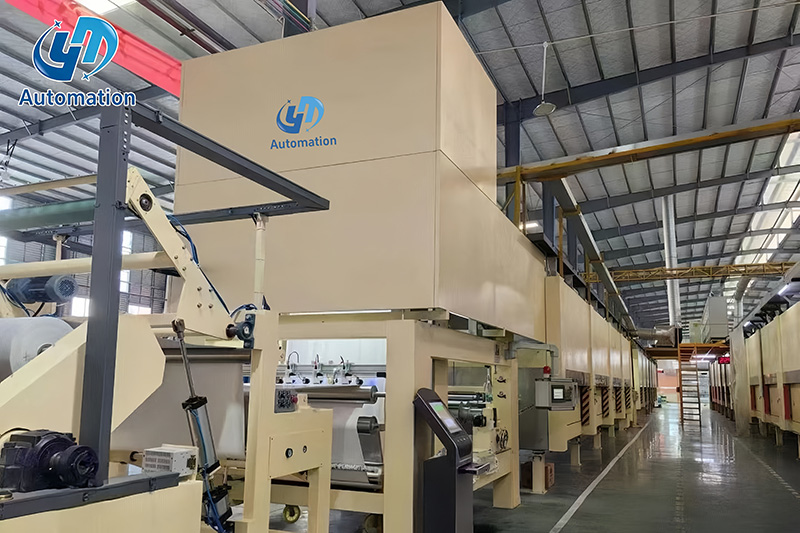
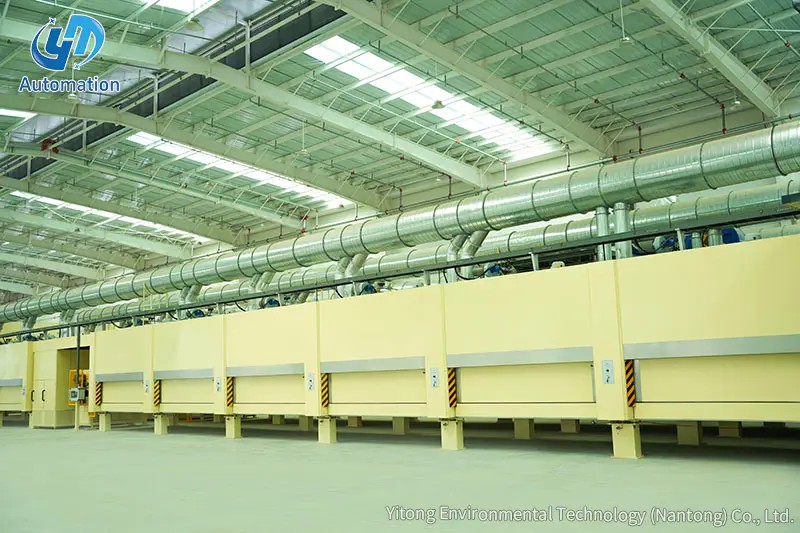
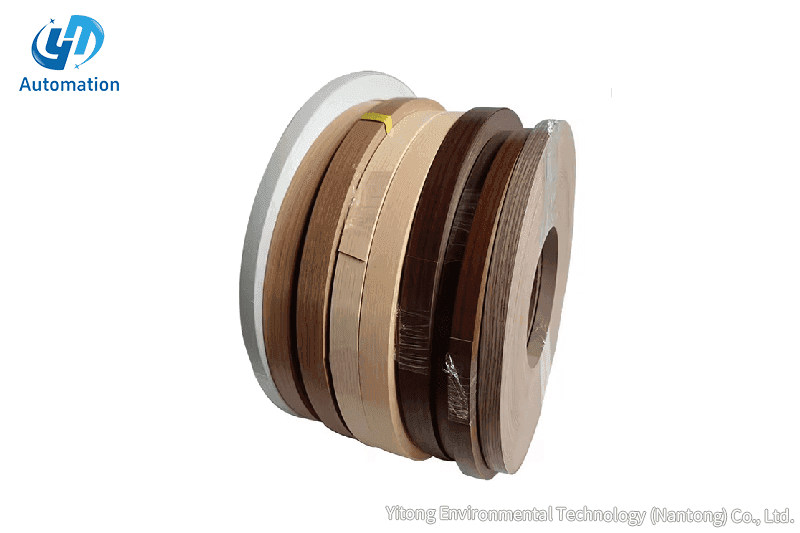
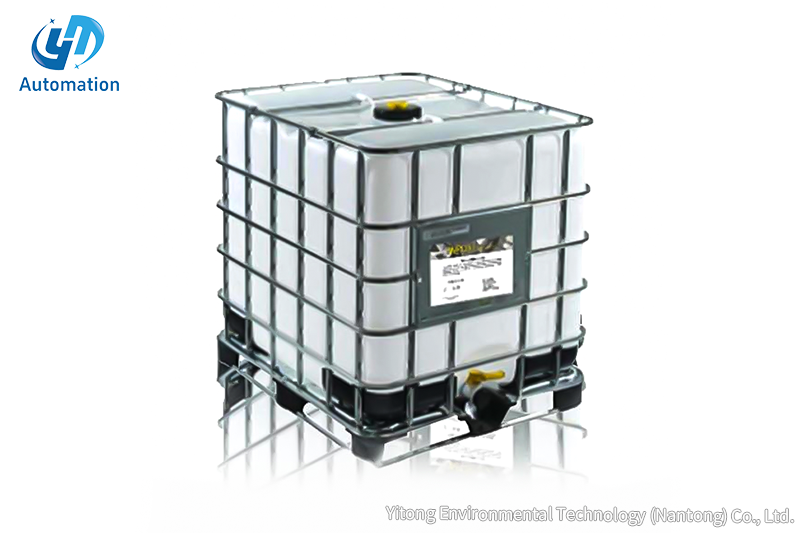
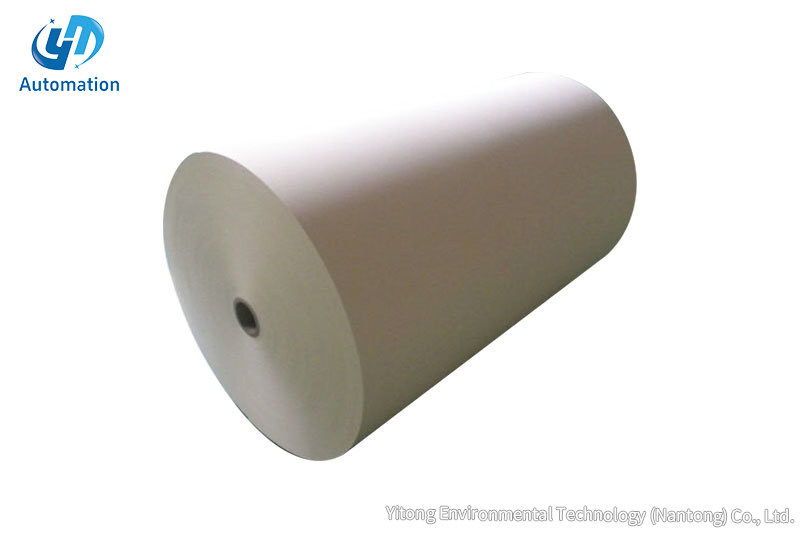
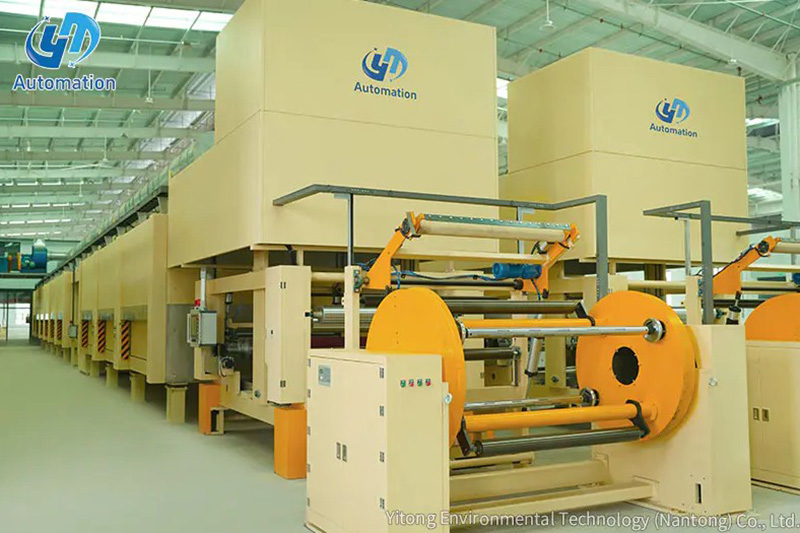
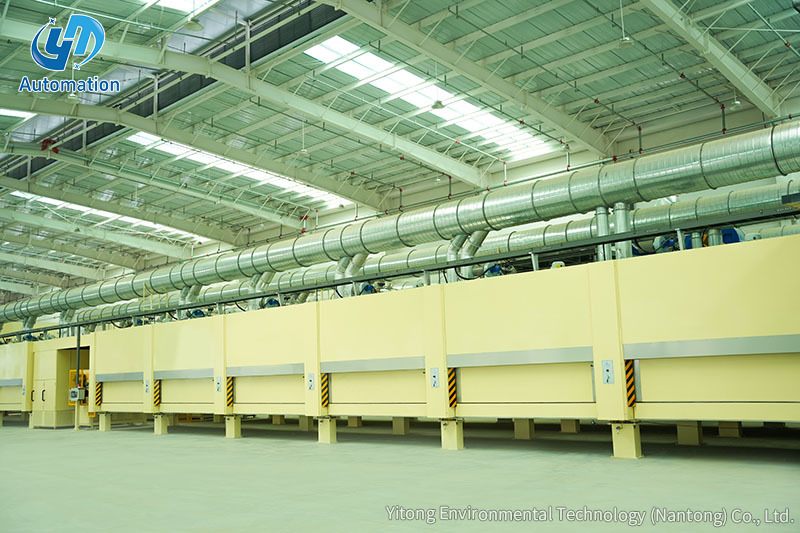
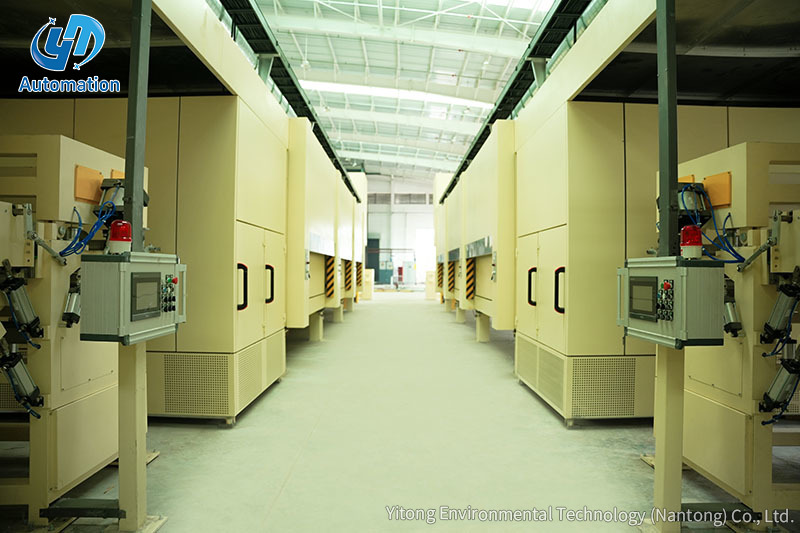
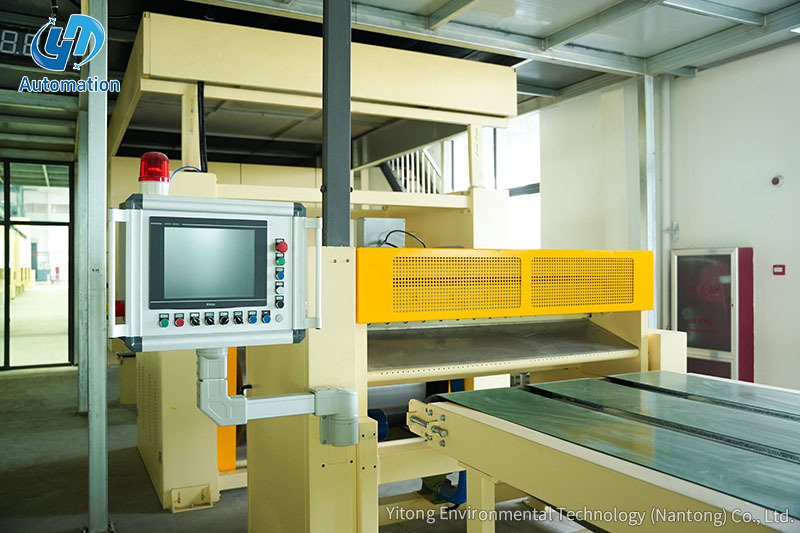
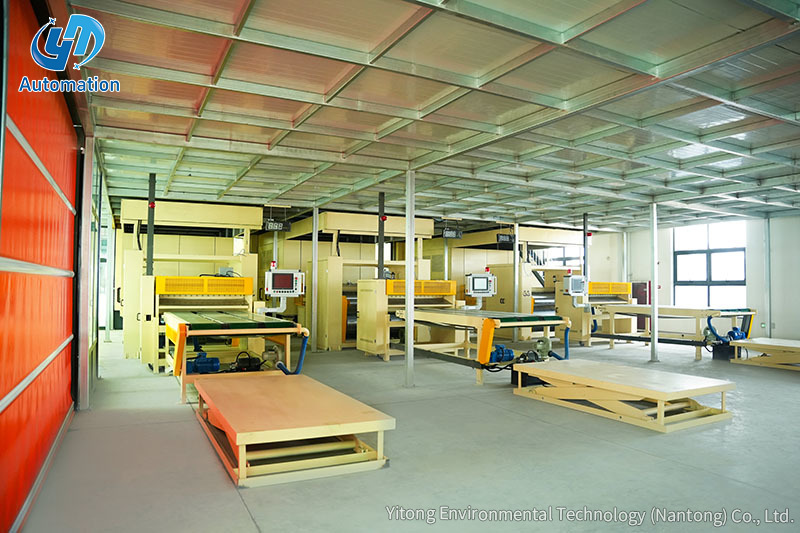
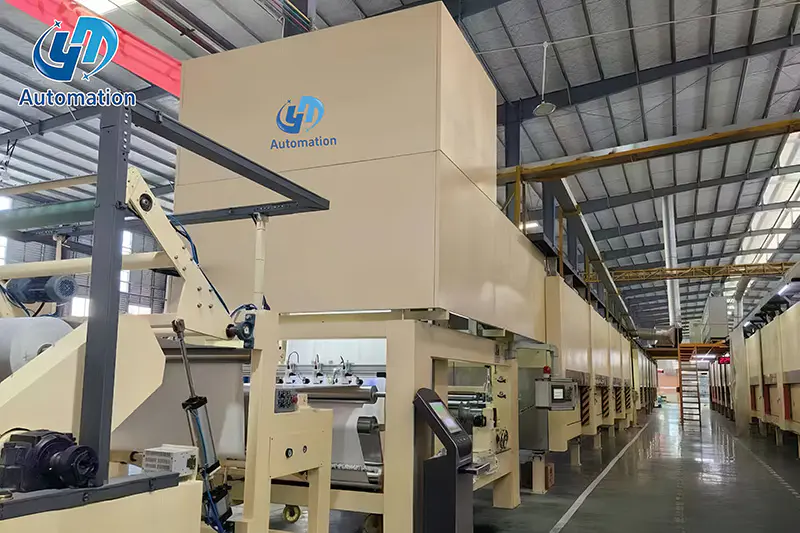
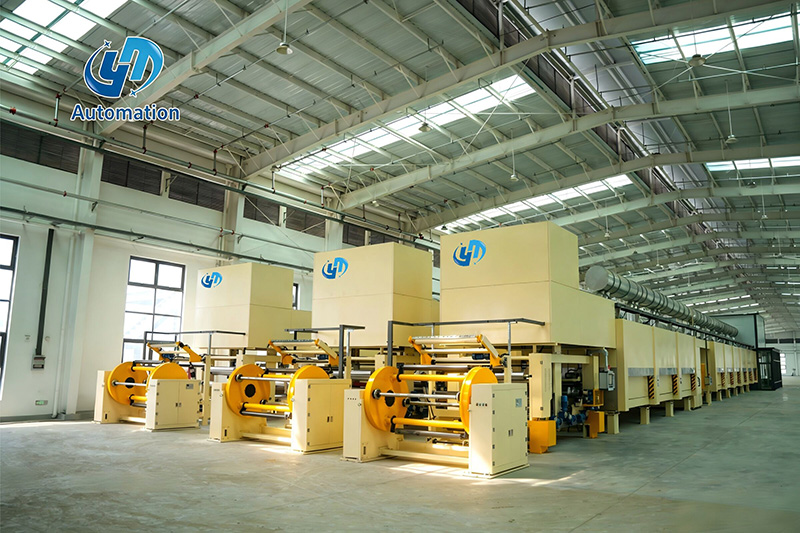
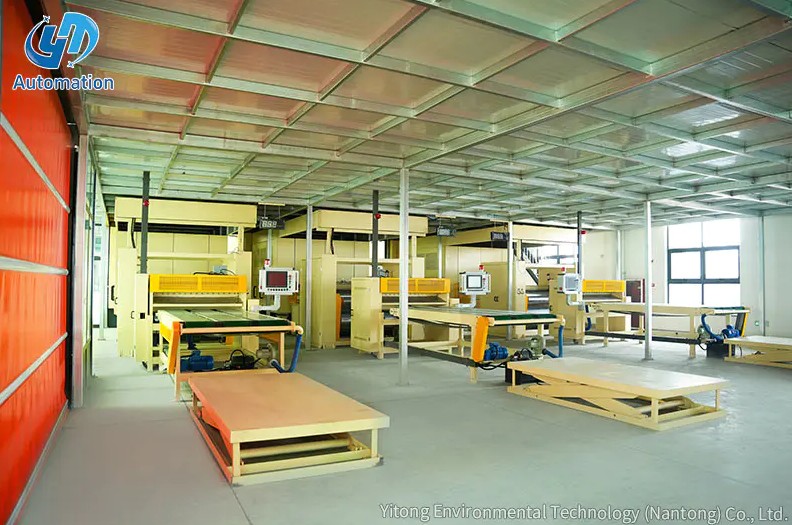
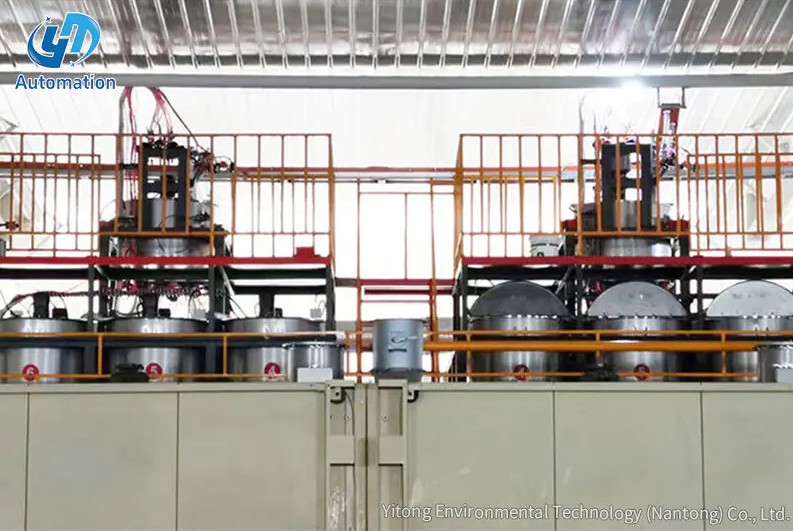
Secondary coating machines are industrial equipment used in the production of impregnated decorative paper — most commonly in the manufacturing of laminate flooring, furniture panels, and high-pressure laminates (HPL). After the base paper has been through the primary impregnation stage (where it is saturated with melamine or phenolic resin and partially dried), a secondary coating machine applies one or more additional functional or decorative coating layers to the paper's surface before final curing. These secondary coats — typically face coatings applied to the top surface and back coatings applied to the underside — enhance the paper's surface properties, appearance, and performance in the finished laminate product.
The Two Core Coating Layers: Face Coat and Back Coat
Face Coating (Front Coat)
The face coat is applied to the decorative top surface of the impregnated paper. Its purposes include:
- Abrasion resistance enhancement: Aluminum oxide (Al2O3) particles are incorporated into face coat formulations to significantly improve the surface's resistance to scratching and wear — a critical performance requirement for laminate flooring, which is measured against EN 13329 abrasion class standards.
- Surface gloss and texture control: The face coat resin formulation and application weight determine the final surface gloss level — from matte (low sheen) to high-gloss — and can be combined with texture rollers to create embossed surface effects.
- Additional resin deposition: Supplementing the resin applied during primary impregnation to achieve the target total resin content for proper lamination performance.
Back Coating (Bottom Coat)
The back coat is applied to the underside of the impregnated paper. Its roles are primarily functional:
- Moisture barrier: Applying resin to the back surface balances the paper's moisture absorption characteristics, preventing curling or warping during storage and hot pressing.
- Pressing adhesion: Ensuring the back surface has sufficient resin content to bond effectively to the substrate (MDF, particleboard, or plywood core) during hot press lamination.
- Anti-static or functional treatments: Specialty back coats may include conductivity agents, release agents, or surface primers depending on the downstream application.
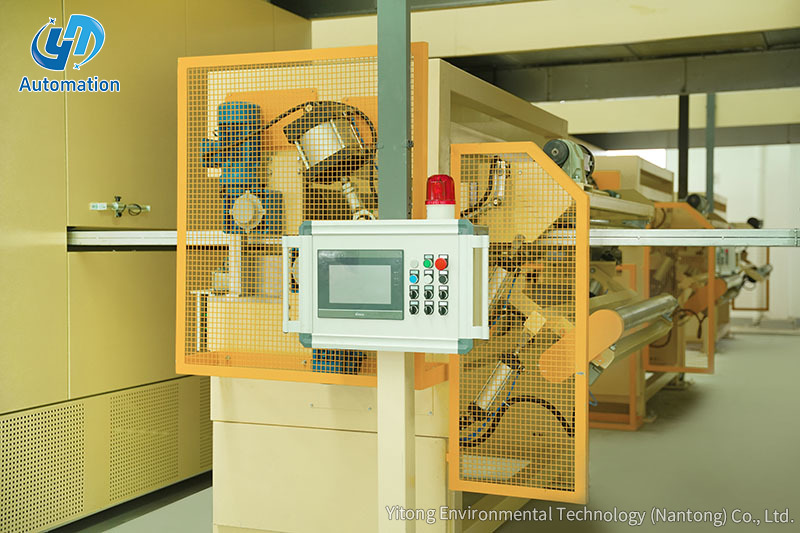
Types of Secondary Coating Machines
Roll Coater (Roller Coating Machine)
The roll coater is the most common secondary coating machine type in decorative paper production. It uses a set of precision rollers — an applicator roll, a metering (doctor) roll, and a back-up roll — to apply a controlled film of liquid coating to the paper surface. Key features:
- Coating weight control: Adjusted by varying the gap between the applicator and metering rollers, controlling how much coating is transferred to the paper surface. Typical face coat application weights range from 5 to 30 grams per square meter (gsm) dry weight.
- Simultaneous double-sided coating: Advanced roll coater configurations apply face and back coats in a single pass using top and bottom applicator assemblies, reducing line length and processing time.
- Abrasive coating capability: Modified roll coaters with abrasion-resistant roller surfaces and stirred coating reservoirs handle aluminum oxide-containing abrasive coatings that would rapidly damage standard precision rollers.
Curtain Coater
A curtain coater creates a continuous falling film of liquid coating that the paper web passes through. The coating falls vertically from a slot die and deposits on the moving paper surface without any roll contact. Advantages include:
- Very high line speeds: Curtain coaters operate at significantly higher web speeds than roll coaters without compromising coating uniformity — suitable for high-volume lines.
- No roller wear from abrasive particles: As the coating falls freely onto the web, there is no contact between the abrasive particles in the coating and any coating head component — eliminating the roller wear problem that limits roll coater life with high-grit abrasive coatings.
- Excellent edge-to-edge uniformity: The curtain provides inherently uniform coverage across the full web width without the edge thinning sometimes seen with roll coaters.
Gravure Coater
A gravure coater uses an engraved roller with a pattern of cells that pick up and transfer a precise volume of coating per unit area. The engraved cell pattern determines the coating deposit per revolution. Gravure coating is used when very precise, repeatable, low-weight coatings are required — such as specialty release coatings, adhesion promoters, or fine barrier layers.
Spray Coater
Spray coating systems atomize the liquid coating into fine droplets and deposit them on the paper surface. Used for applying coatings at very low weights, for texturing effects, or when the coating formulation is not suitable for roller application. Spray systems are less common as primary secondary coating equipment but are used for specialty finish applications and anti-static treatments.
Structural Construction of Secondary Coating Machines
Secondary coating machines are built for continuous industrial operation under chemically active coating environments. Common construction features include:
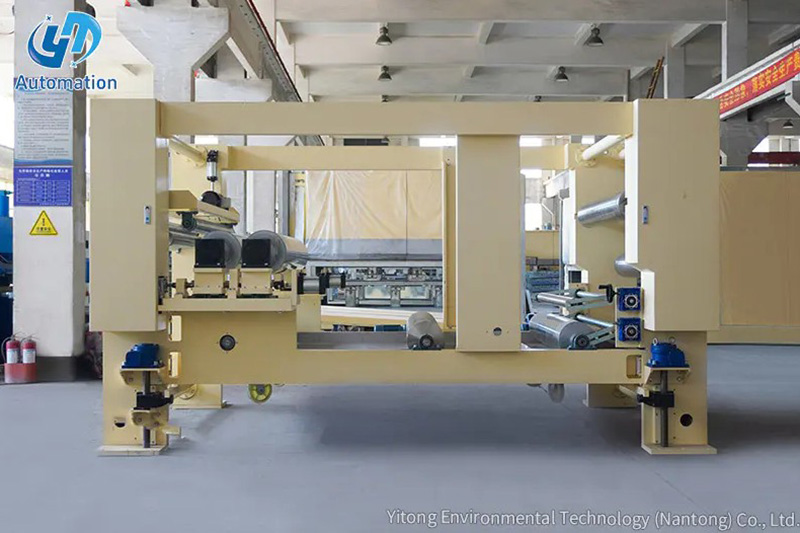
- Welded steel frame construction: Machine frames are fabricated from high-tensile steel plate and structural section steel — providing the rigidity required to maintain roll parallelism and gap tolerances under the dynamic loads of continuous production at full web tension.
- Chemical-resistant coating pans and trays: Components in contact with resin solutions are made from stainless steel or polymer-lined steel to resist the corrosive and adhesive properties of melamine and phenolic resins.
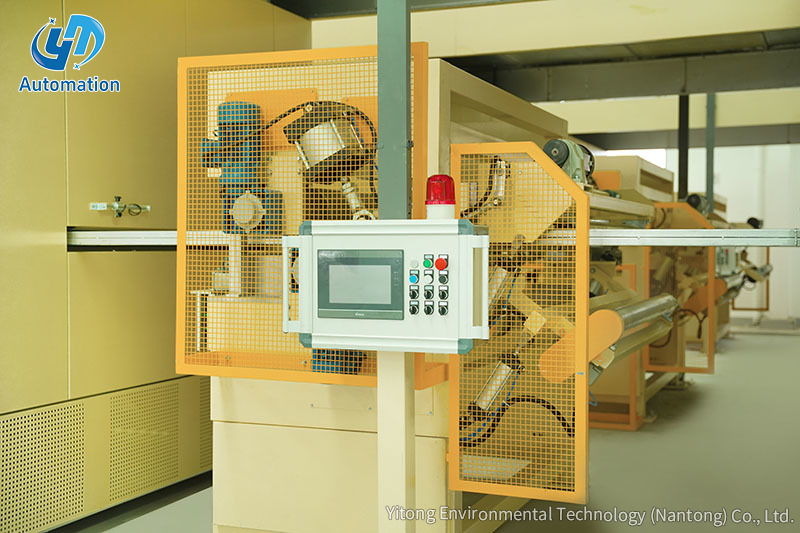
- Precision roller bearings and drive systems: High-precision bearings maintain roller position under load; servo or variable-frequency drive motors allow speed synchronization with the main impregnation line and precise coating weight adjustment.




 English
 中文简体
中文简体
 русский
 عربى
عربى