Content
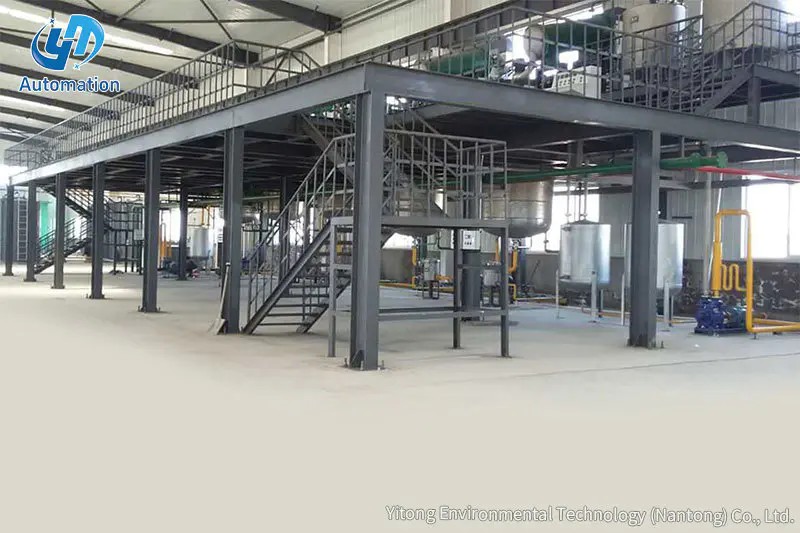
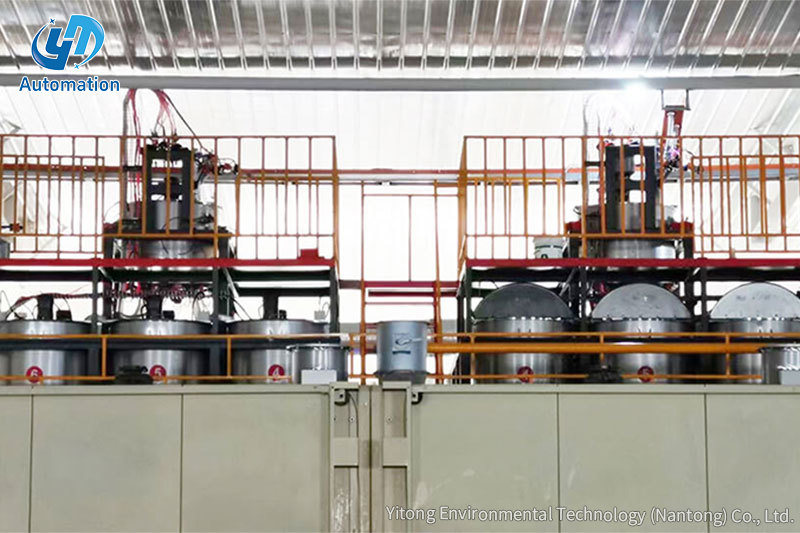
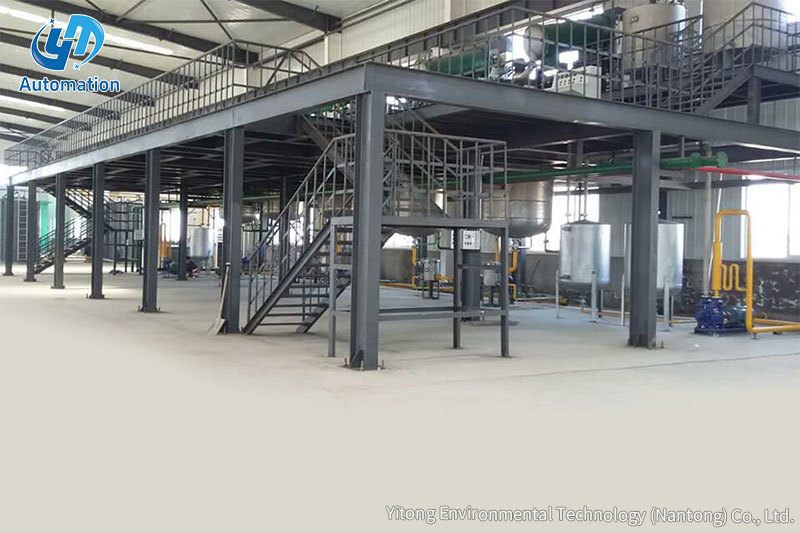
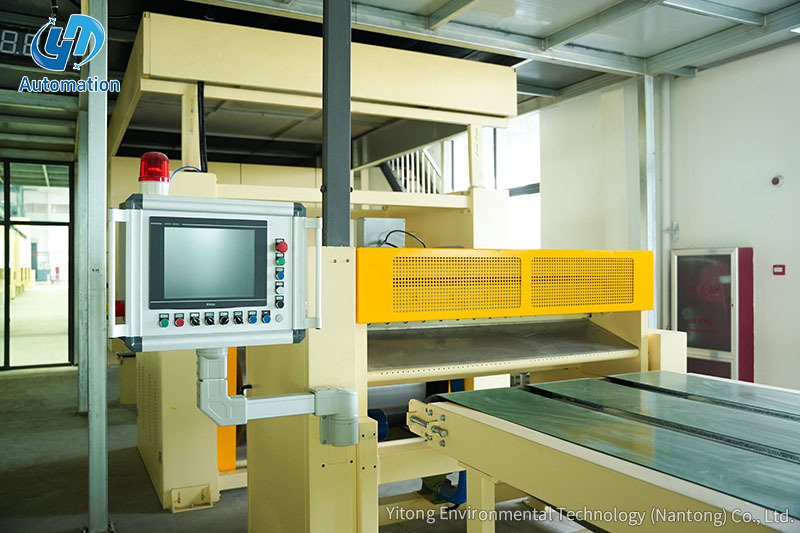
An impregnation line is an industrial production system that saturates a porous substrate — typically paper, fabric, nonwoven material, or fiber — with a liquid resin or chemical compound, then cures or dries it to create a functionally enhanced composite material. The word "impregnation" refers to the process of forcing a liquid medium into the open pore structure of a base material so that the two become permanently integrated after curing.
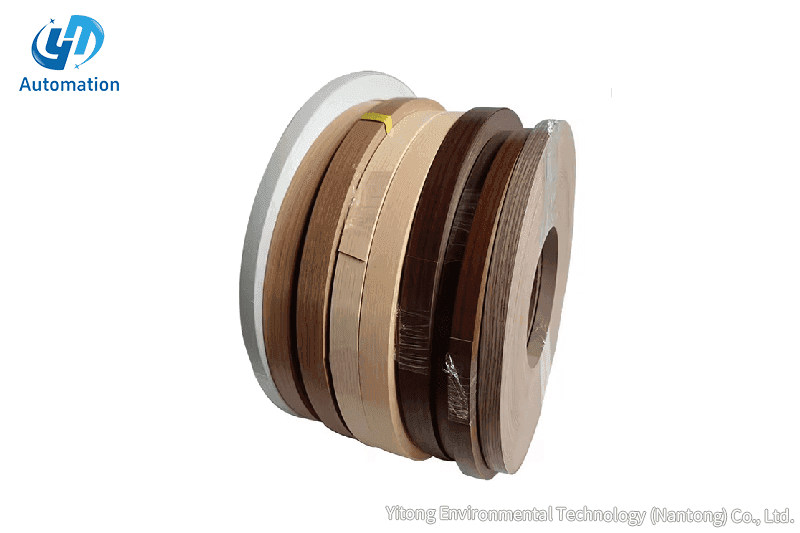
The most widespread industrial application is decorative paper impregnation — the process that produces the melamine-resin-saturated papers used as surface layers in laminate flooring, furniture panels, countertops, and wall paneling. A single continuous impregnation line can process 50 to 200 meters of paper per minute and produce tens of millions of square meters of impregnated paper annually.
| Industry | Substrate | Impregnant | End Product |
|---|---|---|---|
| Furniture / flooring | Decorative/overlay paper | Melamine-formaldehyde resin | Laminate surface films |
| Electrical / electronics | Glass cloth / kraft paper | Epoxy or phenolic resin | PCB base laminates (FR4, CEM) |
| Automotive / aerospace | Carbon fiber / glass fiber | Epoxy prepreg resin | Composite structural prepregs |
| Construction | Kraft paper | Phenolic resin | High-pressure laminates (HPL) |
| Wood treatment | Solid wood / veneer | Furfuryl alcohol or silicone | Modified wood, acetylated timber |
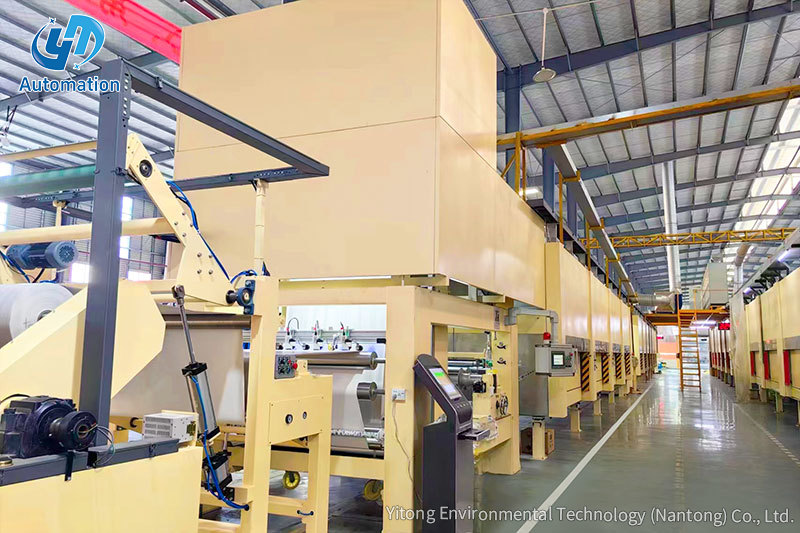
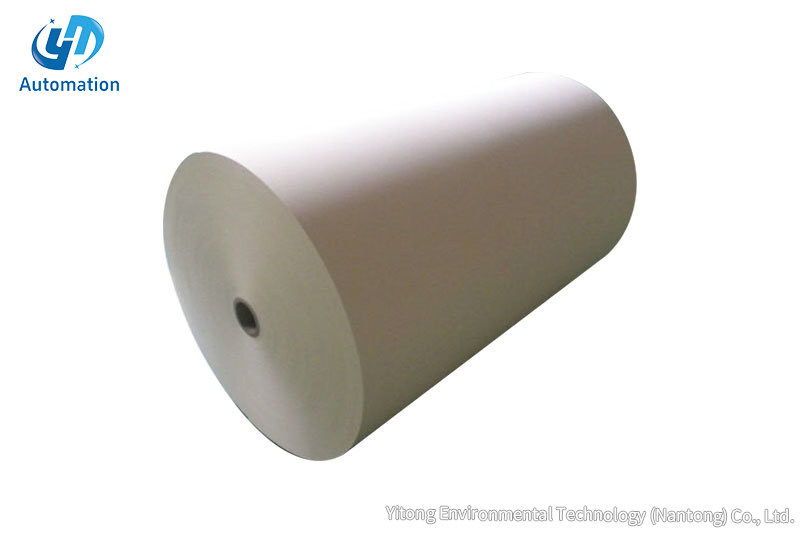
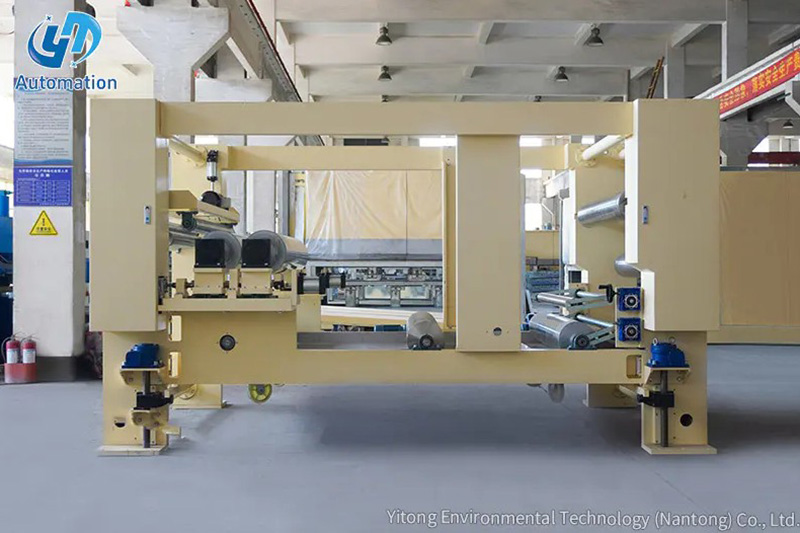
The base substrate — most commonly a roll of decorative or overlay paper — is loaded onto an unwinding stand at the feed end of the line. Tension control systems maintain consistent web speed and prevent wrinkles or tears as the material enters the impregnation section.
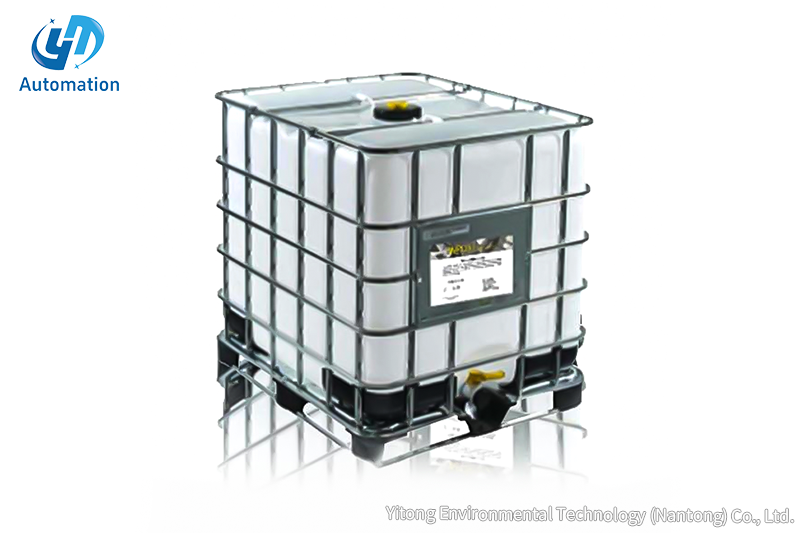
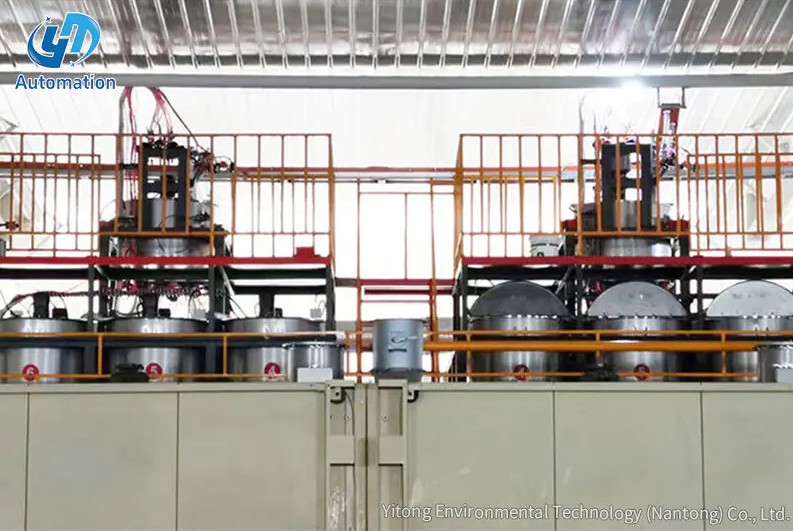
The substrate passes through a resin bath — a trough containing the liquid impregnant (typically melamine or phenolic resin solution). The paper is fully submerged and travels under a series of guide rollers, allowing the resin to penetrate all layers of the substrate. Resin pickup is precisely controlled by the concentration of the resin solution and the dwell time in the bath. For decorative paper, typical resin pickup targets are 100–130% of the paper's dry weight.
After the bath, the impregnated substrate passes through a pair of metering squeeze rolls that remove excess resin and ensure uniform distribution across the full web width. The gap between rolls determines the final resin content. This stage is critical: uneven resin distribution causes surface defects, delamination, or gloss variation in the finished product.
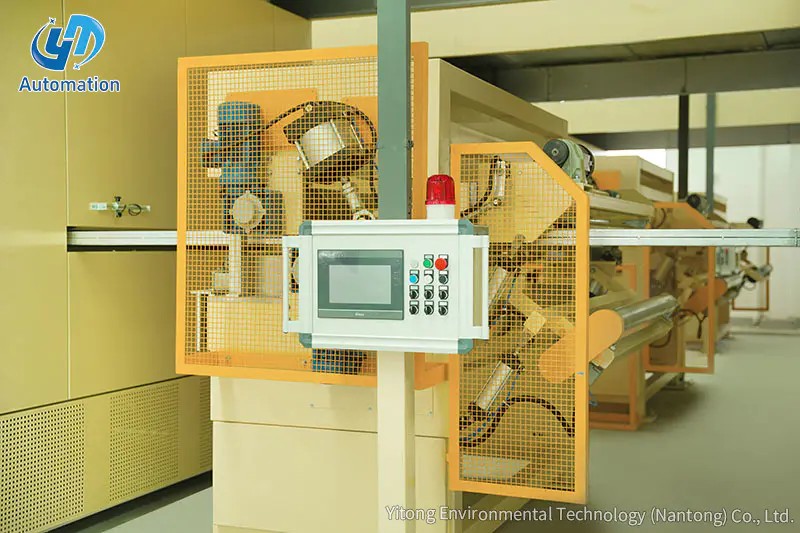
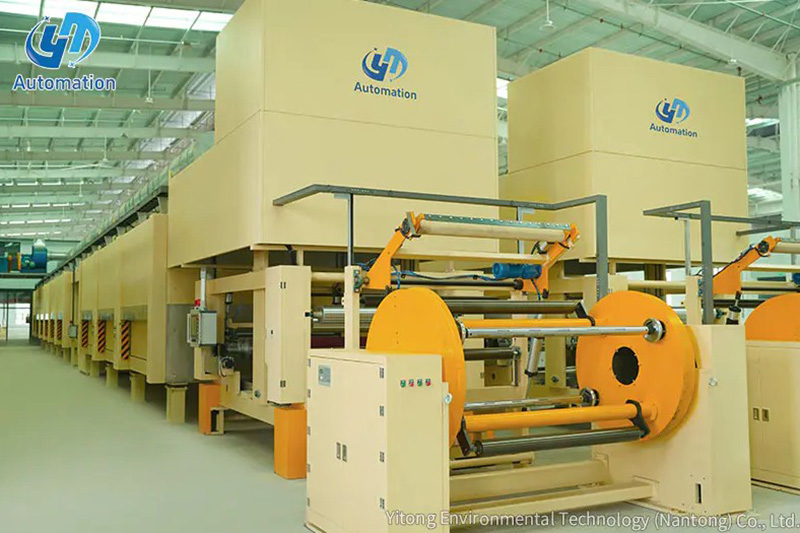
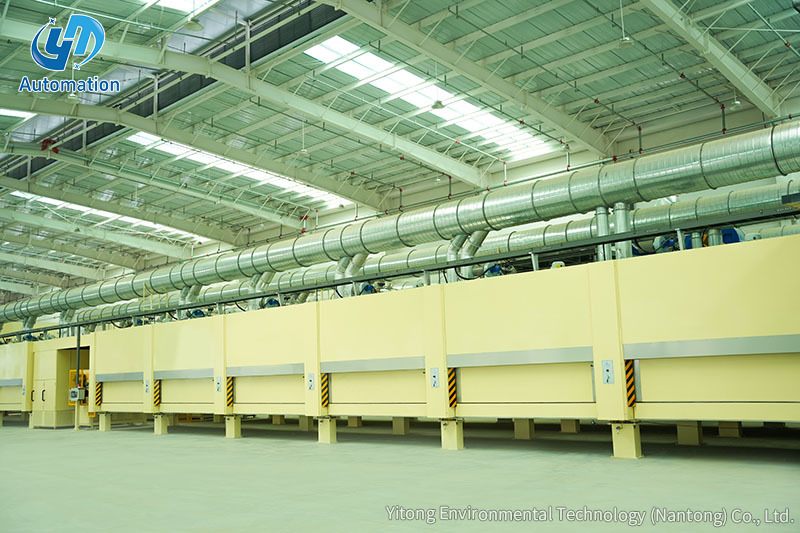
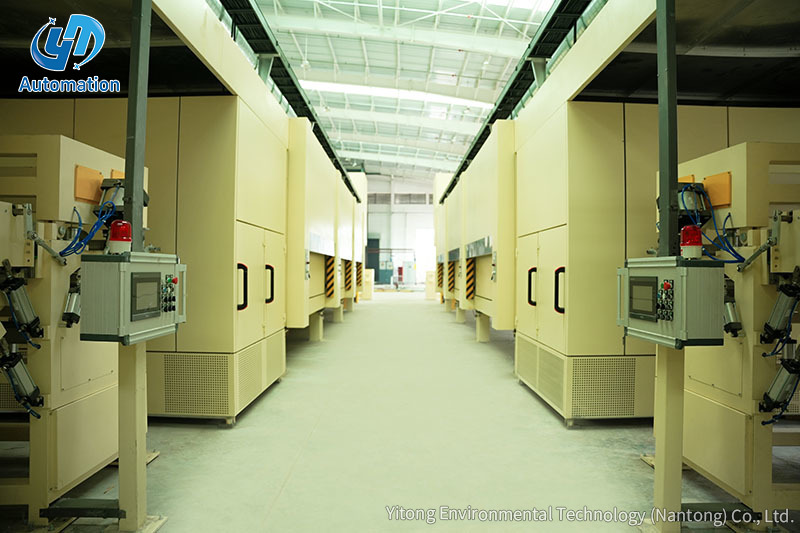
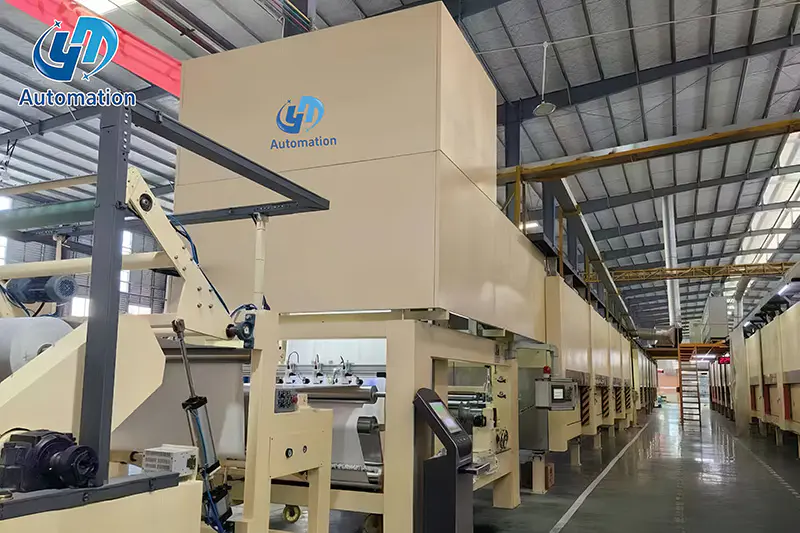
The saturated material enters a multi-zone drying oven where heat evaporates the carrier solvent (typically water) and advances the resin cure to a specific degree — known as the B-stage (partially cured). B-stage resin is dry to the touch but not fully cross-linked, allowing the material to be stored, cut, and later pressed under heat and pressure to achieve full cure (C-stage) in downstream lamination processes. Oven temperatures typically range from 120°C to 165°C depending on resin chemistry and line speed.
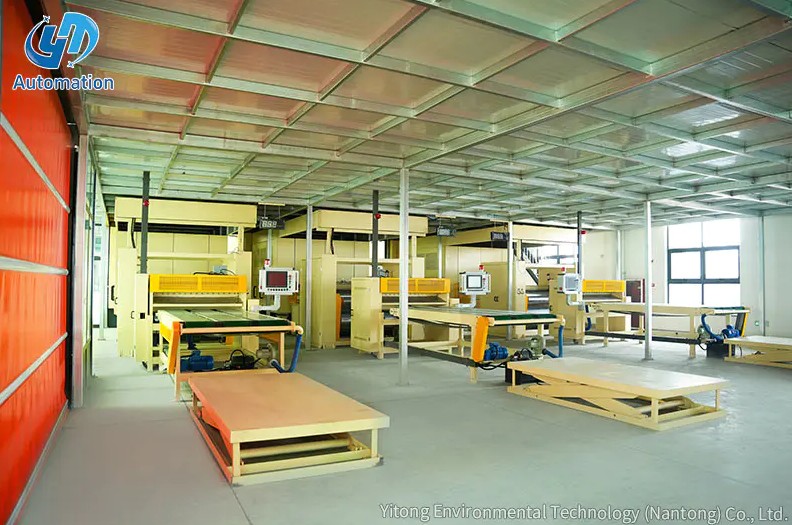
After the oven, the impregnated material passes through a cooling section to stabilize the B-stage resin before handling. It is then cut to sheet format — standard sizes include 1,220 × 2,440 mm and 1,300 × 2,800 mm — or wound into rolls, depending on the downstream application. Quality inspection systems check resin content, volatile level, and surface appearance before stacking and packaging.
The impregnation line sits at a critical juncture in the laminate manufacturing chain. Errors in resin pickup, volatile content, or cure advancement propagate directly into the finished laminate surface as blisters, delamination, gloss variation, color inconsistency, or reduced abrasion resistance. For flooring products, abrasion resistance is tested to standards such as EN 13329 — a product that fails due to poor impregnation represents lost material, press time, and customer trust.
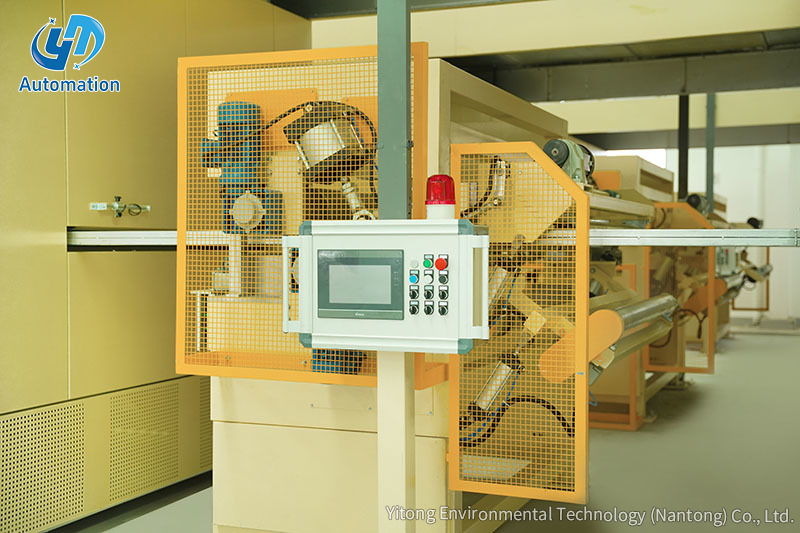
Modern impregnation lines address this with inline sensors for resin content measurement (near-infrared spectroscopy), closed-loop oven temperature control, and automated squeeze roll adjustment — enabling consistent quality across multi-shift continuous production.
Contact Us
Recommended Products
Let’s Get In
Touch
Yitong Environmental Technology (Nantong) Co., Ltd is a manufacturer specializing in impregnation equipment.


Contact Us
Phone: 13073202297 / 13023568111(WhatsApp/Wechat)
Email: [email protected] / [email protected]
Add:No.369, Nanhai Road, Tongzhou Bay, Nantong, Jiangsu, China


 English
 中文简体
中文简体
 русский
 عربى
عربى