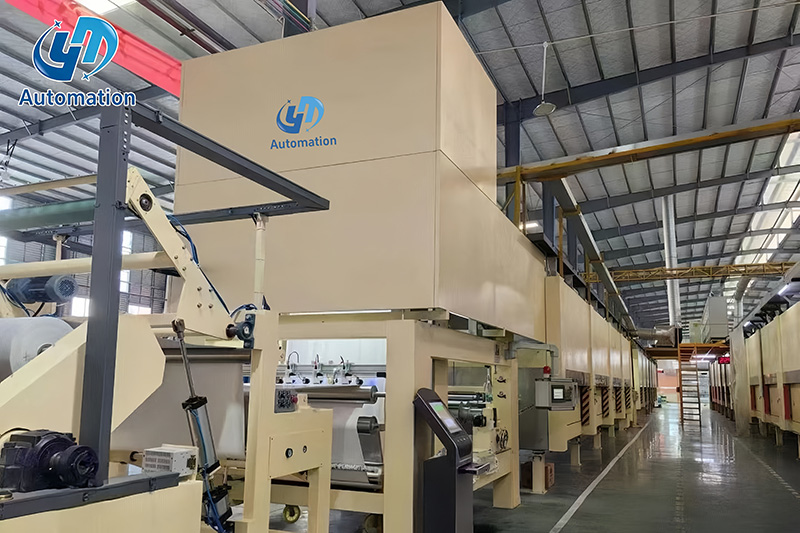
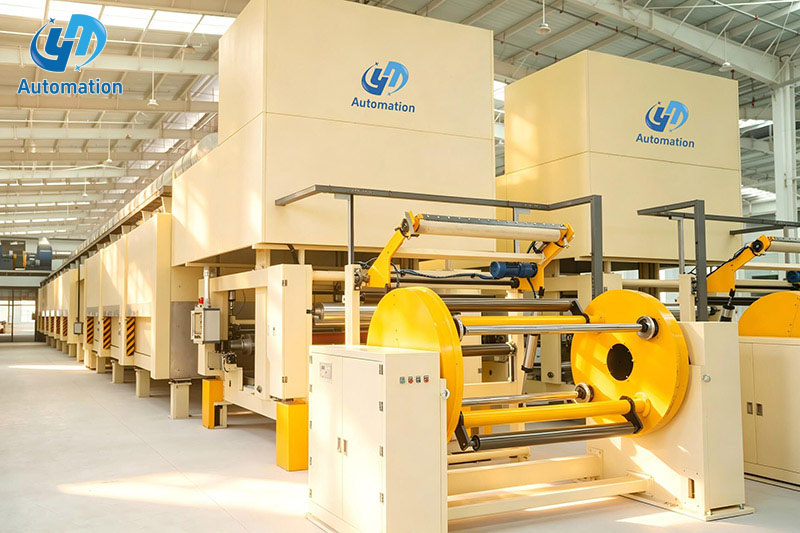
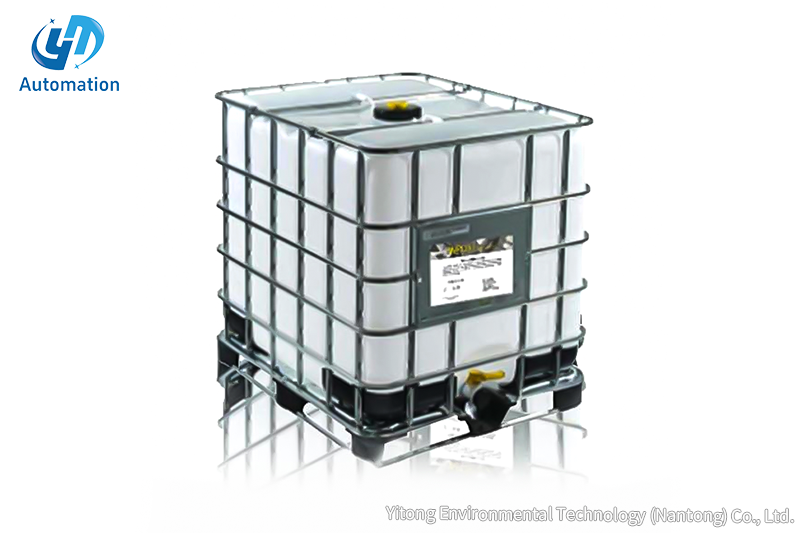
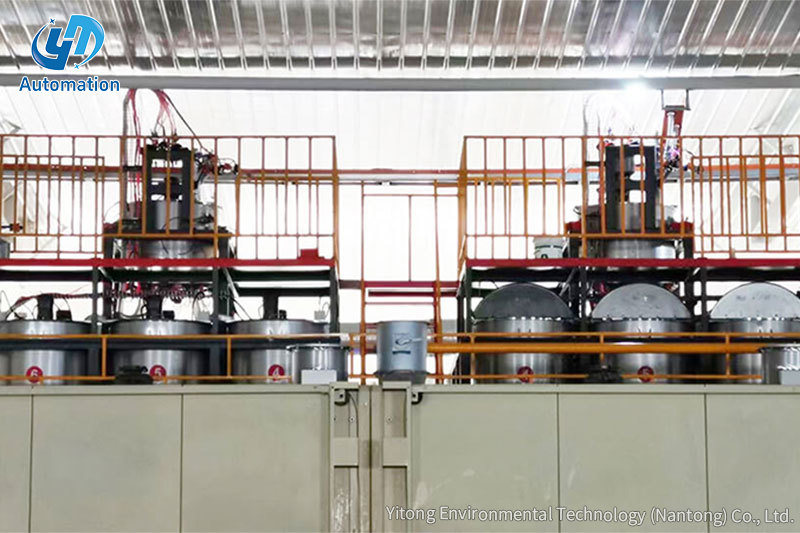
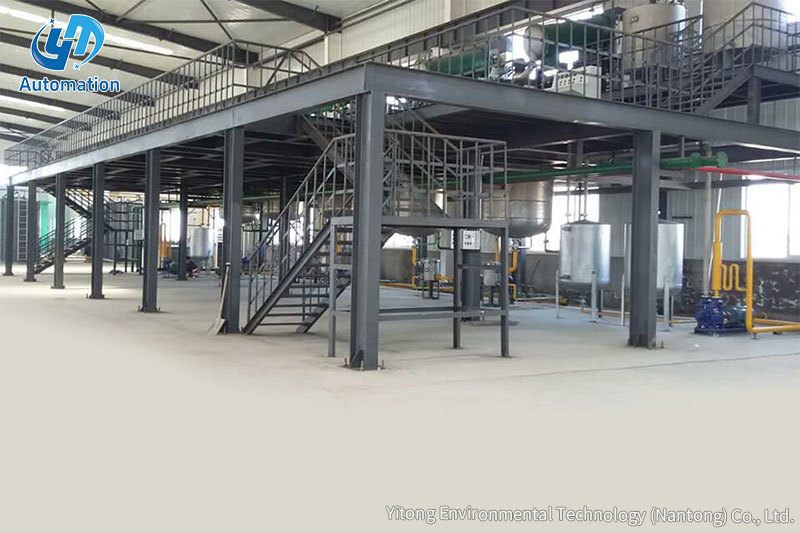
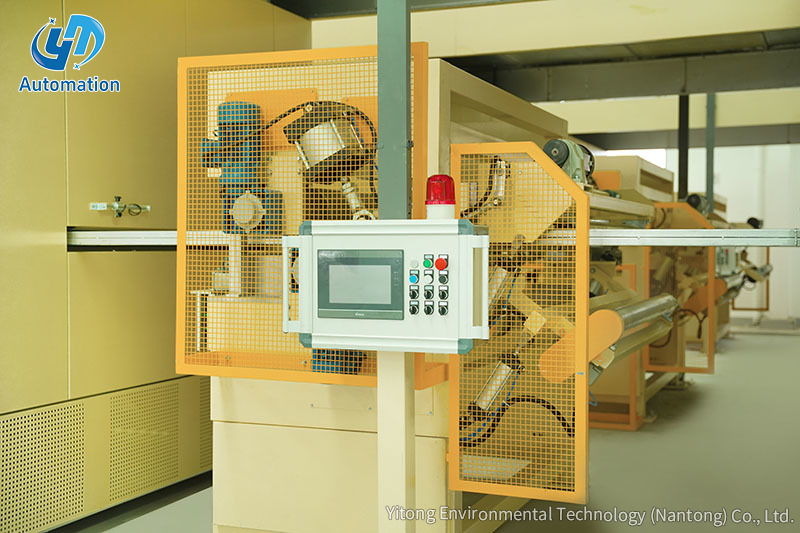
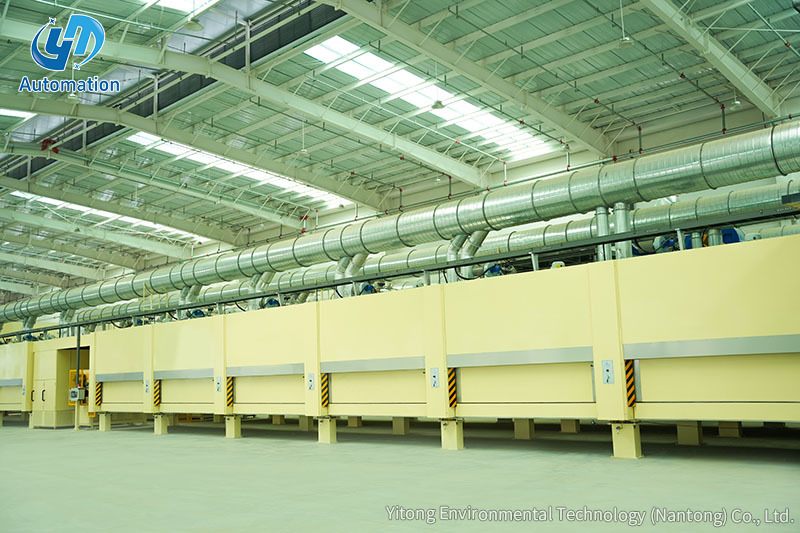
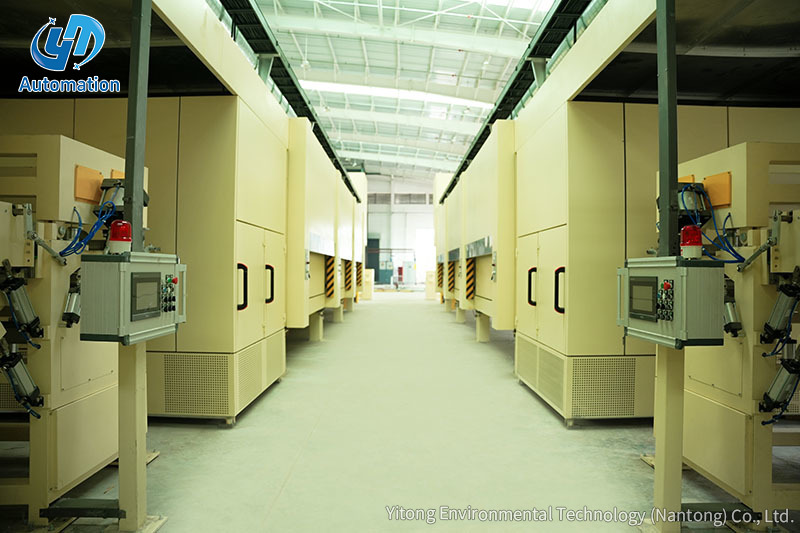
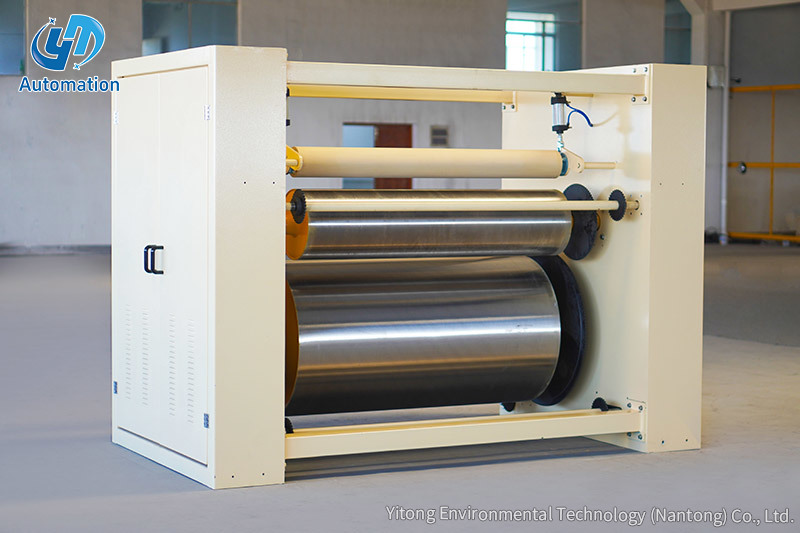
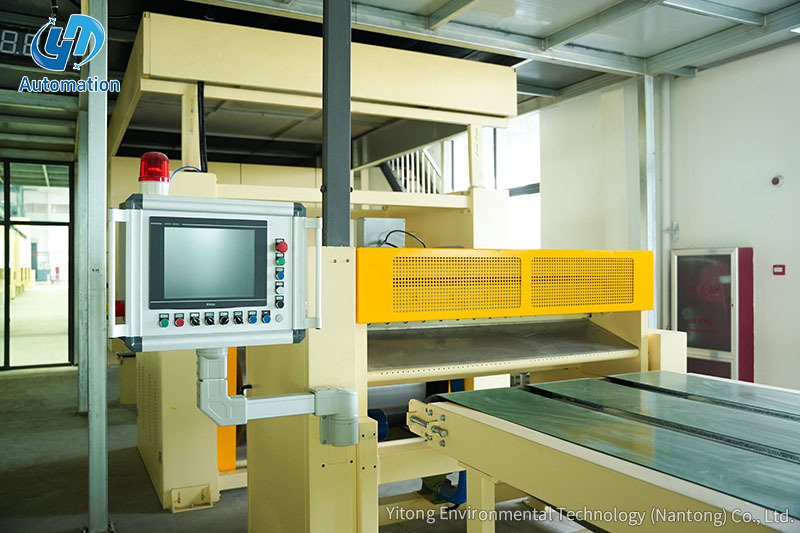
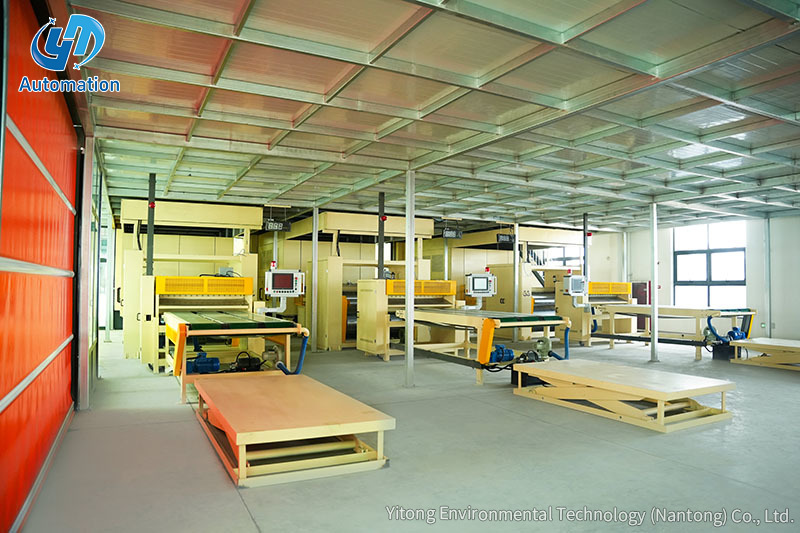
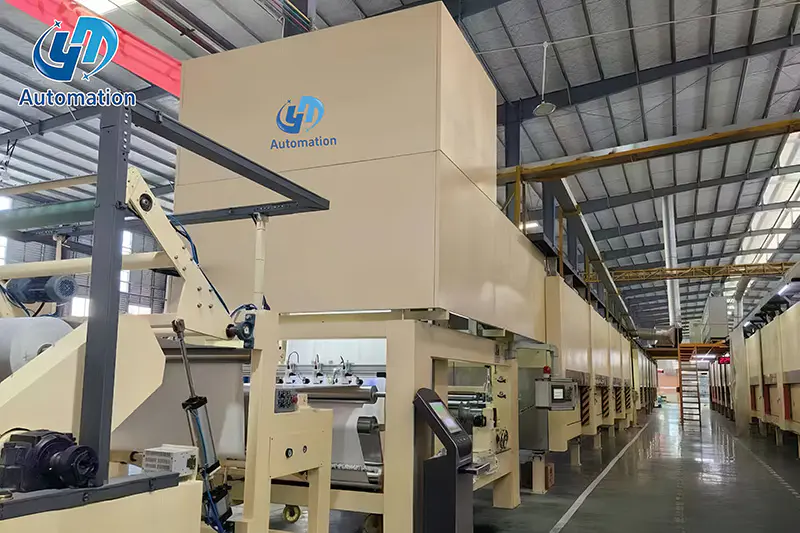
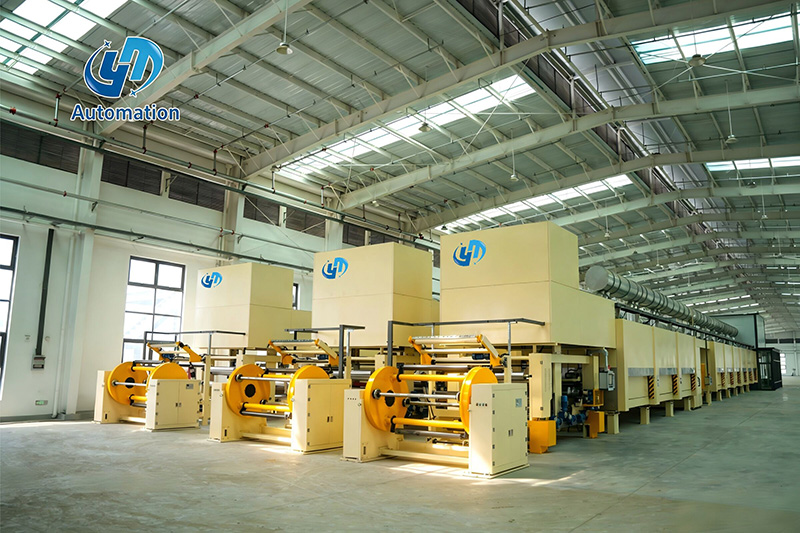
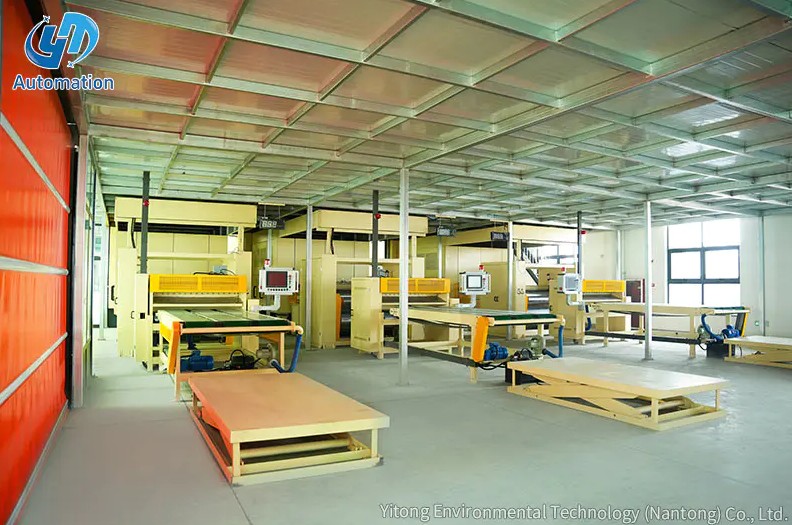
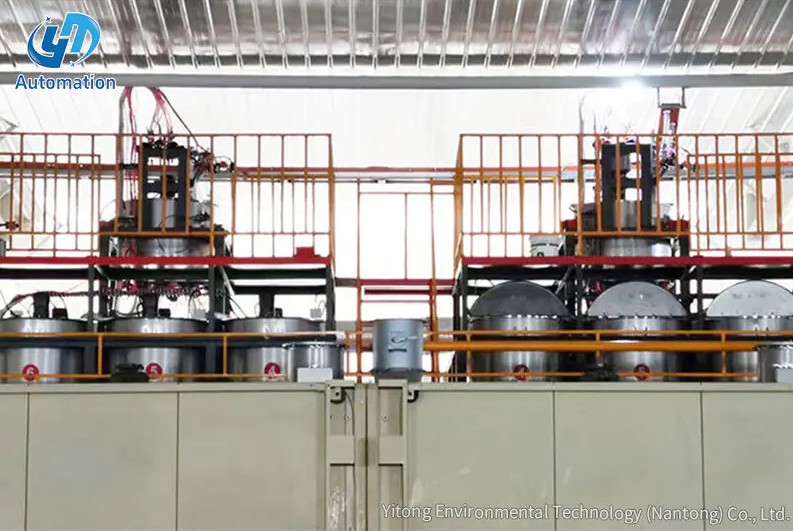
Glue making equipment is a key piece of equipment used to produce various adhesives such as water-based glue, hot melt glue, polyurethane glue, and silicone glue. It typically consists of a mixing tank, heating system, cooling system, metering device, vacuum degassing system, and control system. To ensure stable operation, improve glue quality, and extend equipment life, operating procedures must be strictly followed during use.
1. Preparations before starting the machine
(1) Check the equipment status
Before formal production, the staff should conduct a comprehensive inspection of the equipment to ensure that the following items are normal:
Whether the stirring paddle is properly fixed
Whether the seals are intact
Whether the pipeline is unobstructed
Whether the heating and cooling system is in standby mode
Whether the electrical control cabinet display is normal
If any abnormalities are found, such as loose bolts, aging seals, or stirring jams, they should be repaired in time.
(2) Check if the raw materials meet the standards
Glue production has high requirements for the purity of raw materials. The following must be confirmed:
The raw materials are free of impurities and odors.
The packaging is intact and there is no leakage.
The raw materials are not damp or deteriorated.
Using inferior raw materials will affect the performance of the glue and may even damage the equipment.
2. Precautions during use
(1) Strictly control the heating temperature
Most components in glue formulations are very sensitive to temperature. Excessive temperature may lead to:
Raw material decomposition
Darkening of color
Abnormal viscosity
Therefore, a reasonable temperature should be set according to the type of glue. For example, hot melt glue usually needs to be controlled at 160–200°C, while the heating temperature of water-based glue is lower.
(2) Control the stirring speed and stirring time
Stirring is a key factor affecting glue quality:
Excessive speed will produce a large number of bubbles
Insufficient speed will result in uneven mixing
Insufficient stirring time will affect glue stability
Excessive stirring may damage the molecular structure
Stirring parameters usually need to be determined according to the formulation and equipment specifications.
(3) Pay attention to vacuum and filtration processes
For glues that require degassing, the vacuum system must be turned on to avoid bubbles in the product and affect bonding performance. At the same time, the glue should be filtered before discharge to ensure that there are no solid particles or impurities.
(4) Avoid Overloading Equipment
Some users, when rushing to meet production targets, may increase equipment speed or increase the amount of material fed at one time. This not only affects product quality but also leads to:
Motor overheating
Excessive stress on the agitator shaft
Increased wear on the tank
Each piece of equipment has a clearly defined rated capacity, which must be strictly adhered to.
3. Equipment Cleaning and Maintenance Precautions
(1) Clean the equipment promptly after each production run
Glue residue on the tank wall will gradually harden and become difficult to remove. The following should be done immediately after shutdown:
Clean the agitator
Clean the tank
Clean the discharge pipe
Use a cleaning agent that matches the product. For example, warm water or alcohol can be used for water-based glues, while a special solvent is required for oil-based glues.
(2) Regularly check the seals and bearings
Aging of seals can lead to:
Leakage
Air leakage
Affecting vacuum performance
It is recommended to replace them every 3–6 months. Also check the bearing lubrication to prevent unstable agitation.
(3) Check the electrical control system and temperature sensor
The intelligent control system is the core of the glue making equipment. Ensure that:
The PLC operates normally
The temperature sensor is accurate and reliable
The heating and cooling system responds promptly
Regular calibration ensures accurate production data.
4. Safety Precautions for Operation
Operators must wear protective gloves and goggles.
Heating equipment must not be used near flammable environments.
The lid of a running mixing tank must never be opened.
Keep the production area well-ventilated to prevent the accumulation of harmful gases.
During use of adhesive manufacturing equipment, attention must be paid to equipment inspection, temperature control, mixing parameter settings, vacuum treatment, cleaning and maintenance, and safe operation. Strict adherence to specifications not only improves adhesive quality but also reduces malfunctions and extends equipment lifespan.
Contact Us
Recommended Products
Let’s Get In
Touch
Yitong Environmental Technology (Nantong) Co., Ltd is a manufacturer specializing in impregnation equipment.

Contact Us
Phone: 13073202297 / 13023568111(WhatsApp/Wechat)
Email: [email protected] / [email protected]
Add:No.369, Nanhai Road, Tongzhou Bay, Nantong, Jiangsu, China


 English
 中文简体
中文简体
 русский
 عربى
عربى