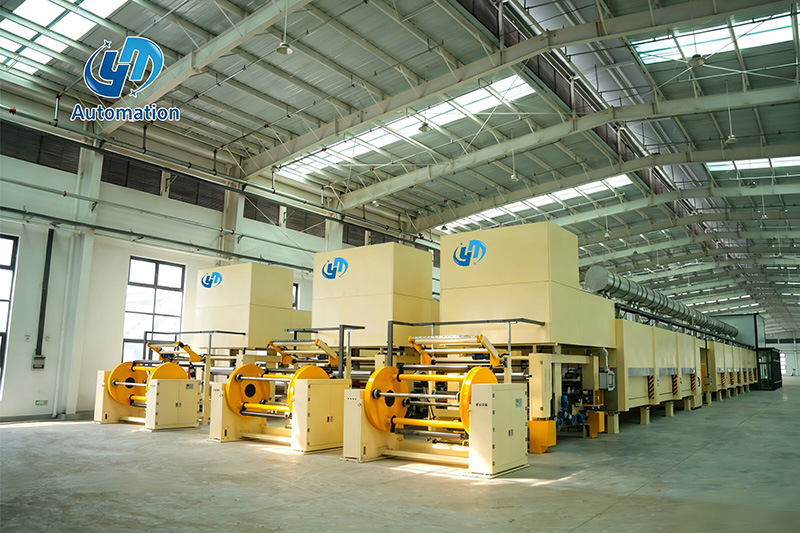
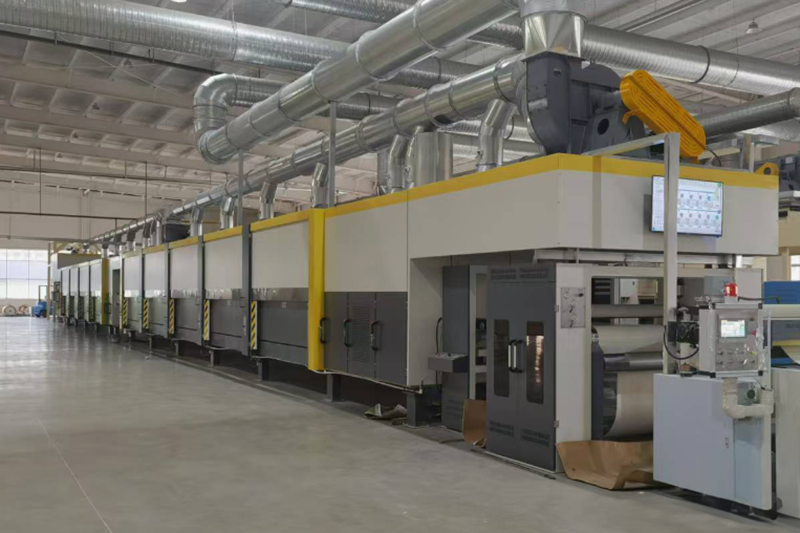
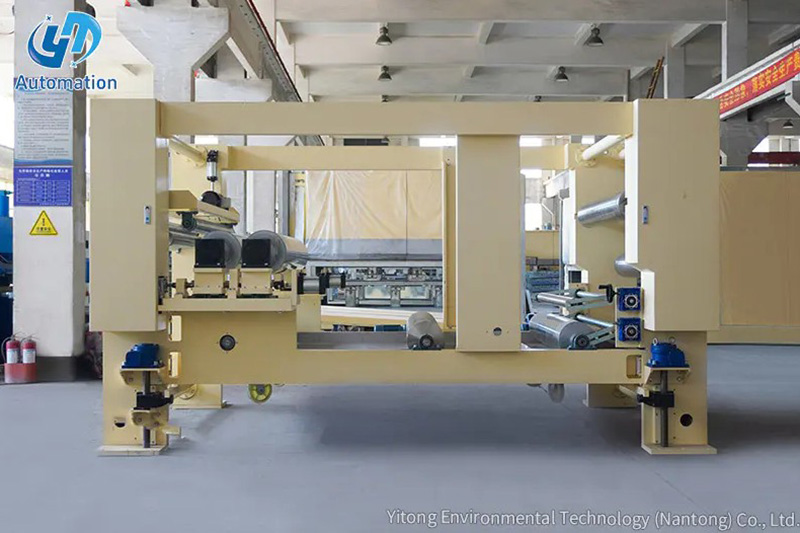
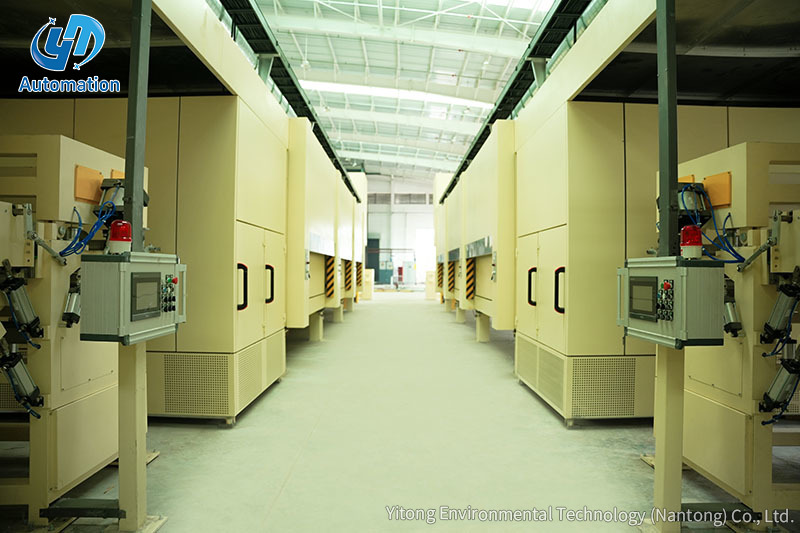
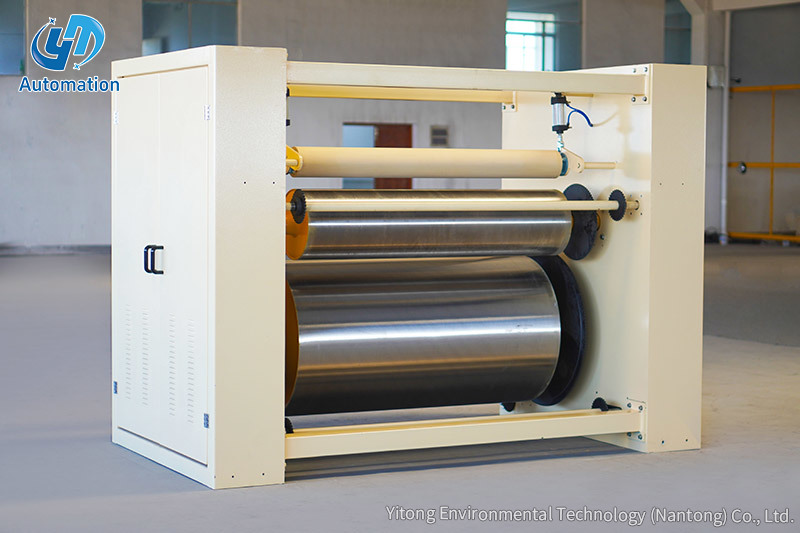
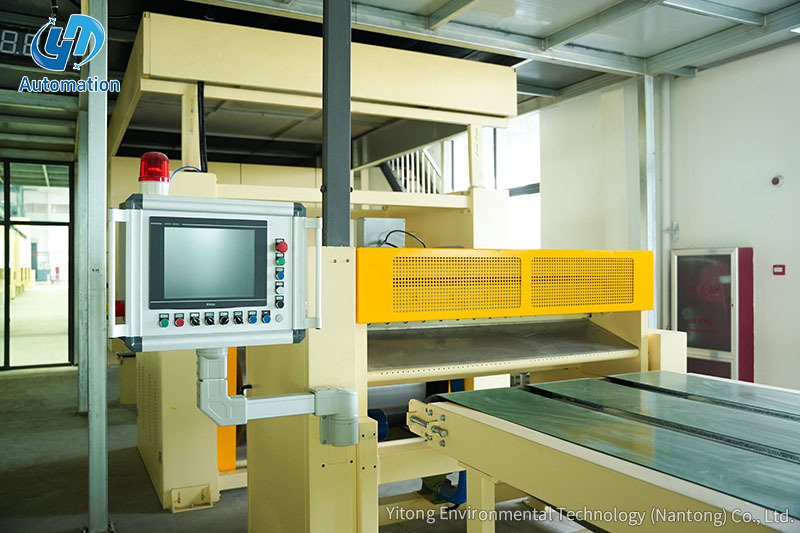
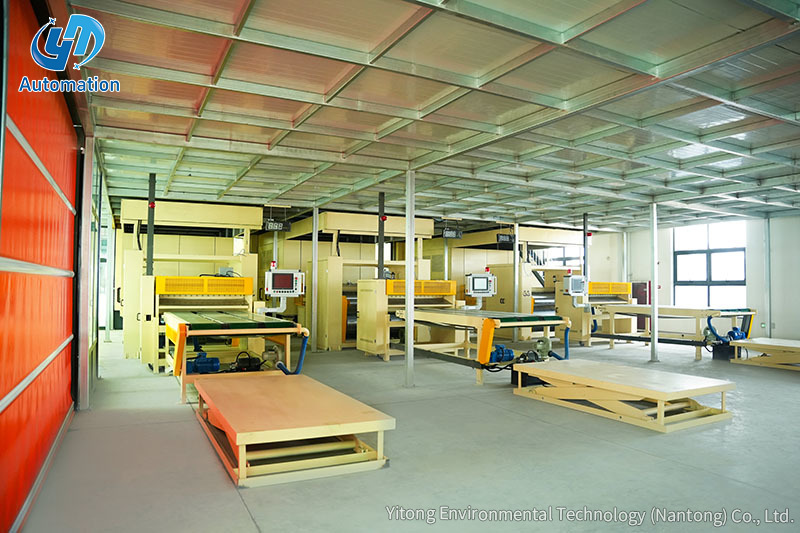
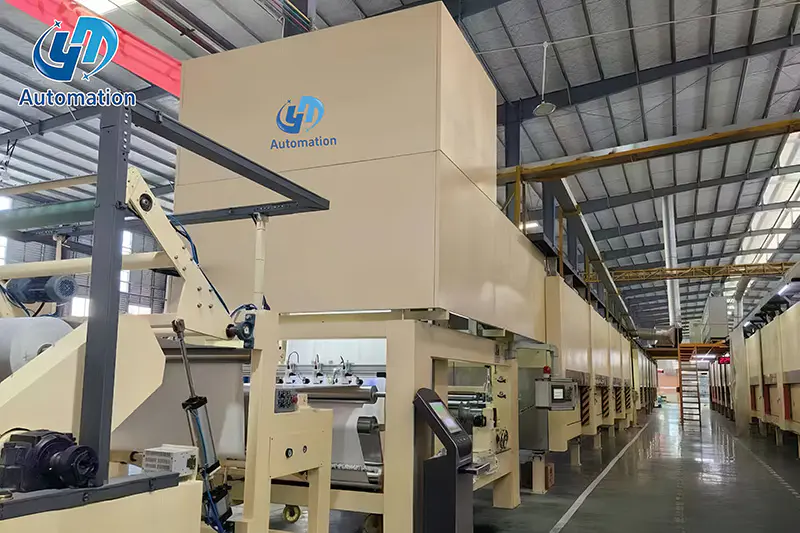
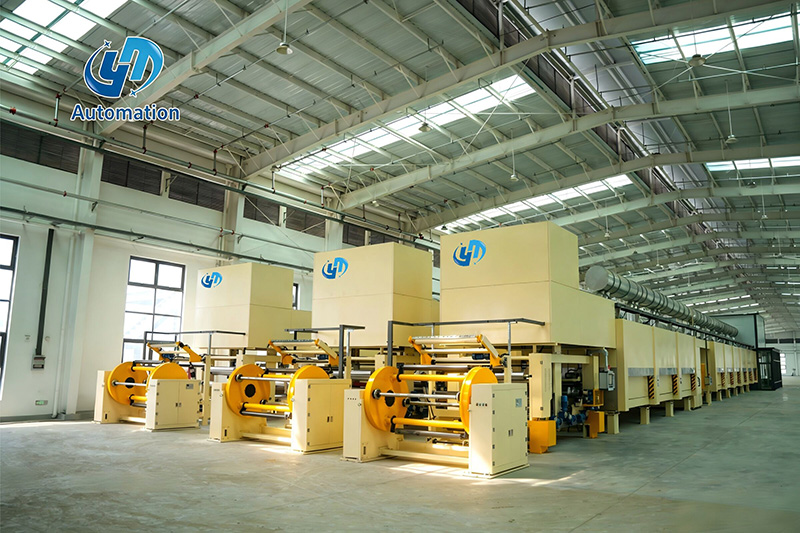
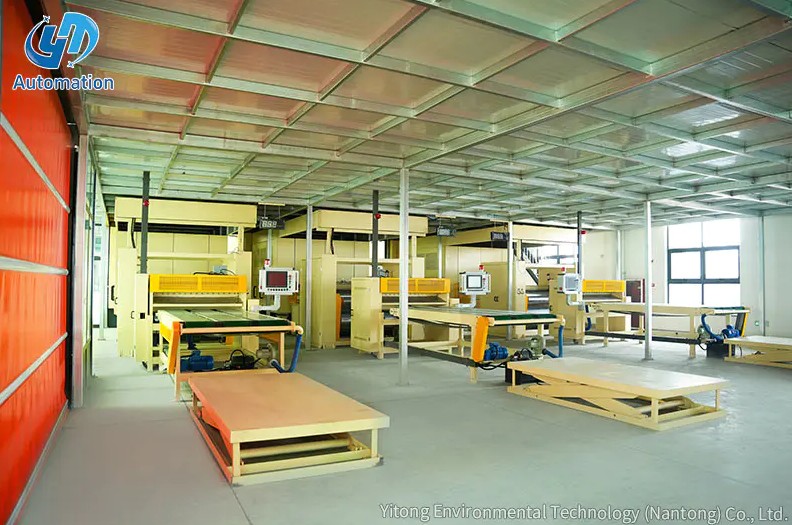
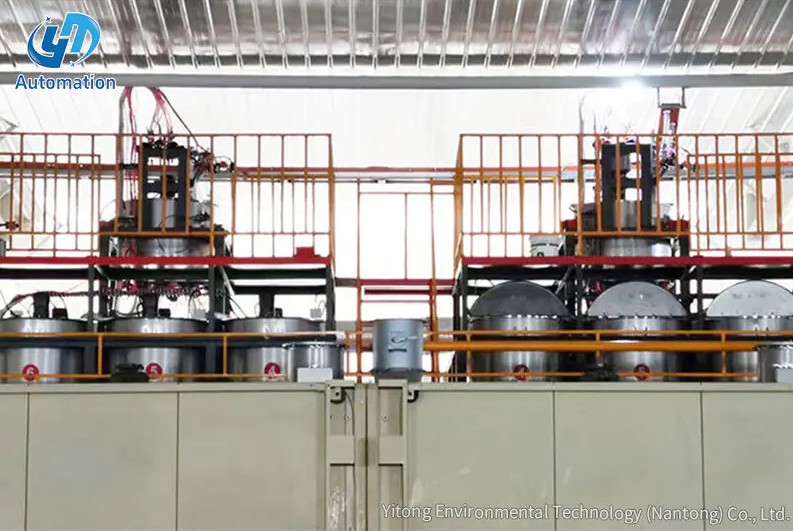
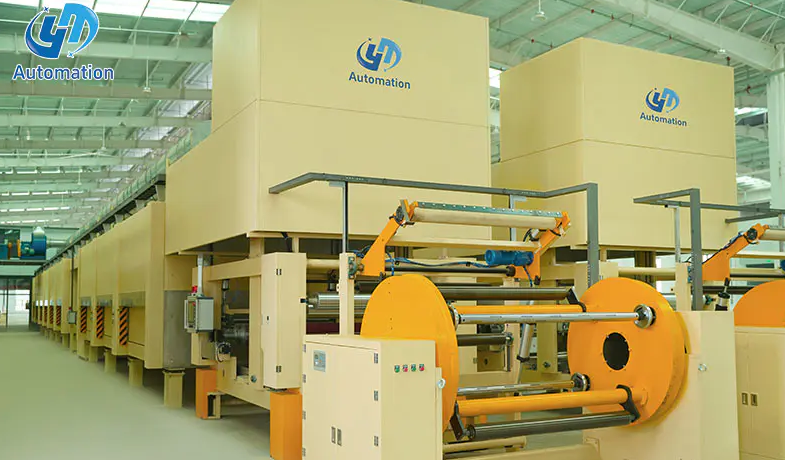
As a key piece of equipment in a roll material processing production line, the stability of the rotary unwinder directly affects production efficiency and product quality. However, during long-term operation, improper use and maintenance can lead to various faults, affecting production capacity and operational safety. To help users better understand the equipment status, this article will explain common faults and preventive measures.
1. Common Faults of Rotary Unwinders
(1) Unstable Unwinding or Fluctuating Speed
Abnormal unwinding speed is one of the most common operational problems. In most cases, this is caused by unstable tension control systems, delayed tension feedback, wear of braking devices, and fluctuations in pneumatic pressure. If the unwinding speed exceeds the range, it can cause the roll material to stretch, deform, or even tear, adversely affecting subsequent processing.
(2) Roll Material Deviation or Inability to Center
Deviation is usually related to malfunction of the centering device, deviation of the photoelectric sensor position, improper installation of the roll core, and loosening of the unwinder's swing mechanism. Uneven positioning of the roll material can lead to quality problems such as uneven cutting, uneven rewinding, and rough product edges. Prolonged misalignment can also cause accelerated wear on equipment components.
(3) Uneven Roll Tension or Wrinkles
When the tension controller setting of the unwinding machine is inaccurate, or the brake friction pads are severely worn, uneven roll tension can easily occur. Loose winding makes it difficult for downstream processing equipment to grip the roll; tight winding can cause wrinkles, affecting subsequent bonding, slitting, or coating processes.
(4) Motor Overheating or Control System Alarm
Motor overheating is mostly caused by excessive load, insufficient bearing lubrication, poor motor heat dissipation, or incorrect driver parameter settings. If ignored for a long time, it can easily lead to motor burnout or control system failure, causing the entire production line to shut down.
(5) Abnormal Mechanical Noise or Vibration
Abnormal noise mostly comes from bearing wear, loose couplings, shaft eccentricity, insufficient lubrication of the reducer, or internal gear wear. In severe cases, it may also be accompanied by operational vibration, affecting unwinding accuracy and accelerating component aging.
2. How to avoid rotary unwinder faults?
(1) Regularly check and calibrate the tension system
The tension control system is the core of the rotary unwinder. The tension sensor, brake, pneumatic pipeline, and controller parameters should be checked regularly to avoid speed fluctuations or material wrinkling due to untimely response. Properly calibrating the tension setting value can effectively improve unwinding stability.
(2) Keep the core installed at the correct center
When installing the material, ensure that the core is concentric and secure with the unwinding shaft to avoid eccentricity causing deviation and vibration. Operators must install according to standard procedures and check the chuck clamping condition to avoid loosening.
(3) Replace worn parts on time and ensure proper lubrication
Brake friction pads, bearings, couplings, guide wheels, and other components will wear down during long-term operation. A maintenance cycle should be established, and replacements should be made promptly at the initial stage of wear. Maintaining good lubrication of moving parts can significantly reduce abnormal noise and mechanical vibration.
(4) Maintain accurate sensor positioning
Automatic alignment systems rely on photoelectric sensors and a correction system. Dust, oil, or positional deviations can all lead to recognition failures. Regularly wipe the photoelectric sensor, check the bracket tightness, and ensure the sensor is aligned with the edge of the roll material.
(5) Avoid overloading
Set the processing speed and roll width according to the equipment parameters to avoid overloading. Keep the motor ventilation ports clean and the driver temperature normal; install a forced cooling device if necessary. If the motor temperature is abnormal, stop the machine immediately for troubleshooting.
(6) Ensure proper operation and train personnel
Many malfunctions stem from improper operation, such as not starting according to the procedure, not checking tension, or not confirming the roll material installation position. Operators should receive regular training to familiarize them with equipment characteristics, fault signals, and troubleshooting methods.
Although rotary unwinding machines have a relatively stable structure, common problems such as misalignment, unstable tension, abnormal speed, and motor overheating, if not addressed promptly, can affect production efficiency and product quality. By developing reasonable maintenance plans, ensuring proper operating procedures, and promptly inspecting worn parts and electrical systems, the risk of failure can be significantly reduced, allowing equipment to operate efficiently.
Contact Us
Recommended Products
Let’s Get In
Touch
Yitong Environmental Technology (Nantong) Co., Ltd is a manufacturer specializing in impregnation equipment.


Contact Us
Phone: 13073202297 / 13023568111(WhatsApp/Wechat)
Email: [email protected] / [email protected]
Add:No.369, Nanhai Road, Tongzhou Bay, Nantong, Jiangsu, China


 English
 中文简体
中文简体
 русский
 عربى
عربى