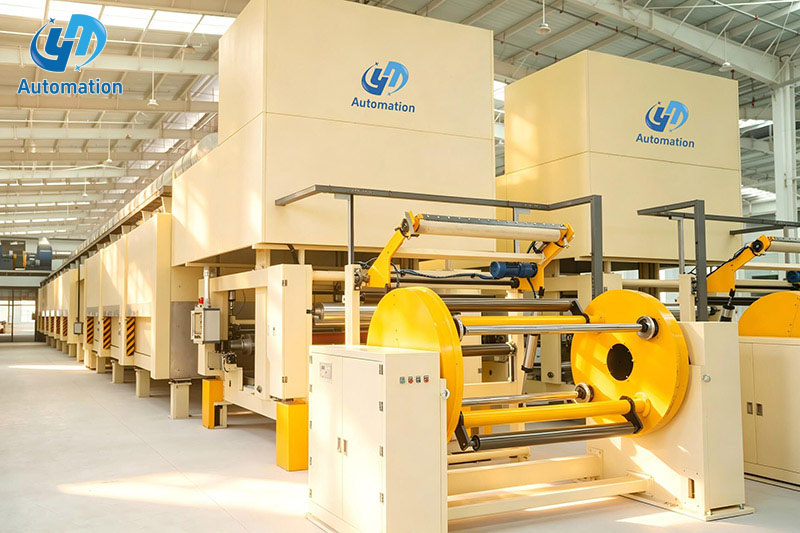
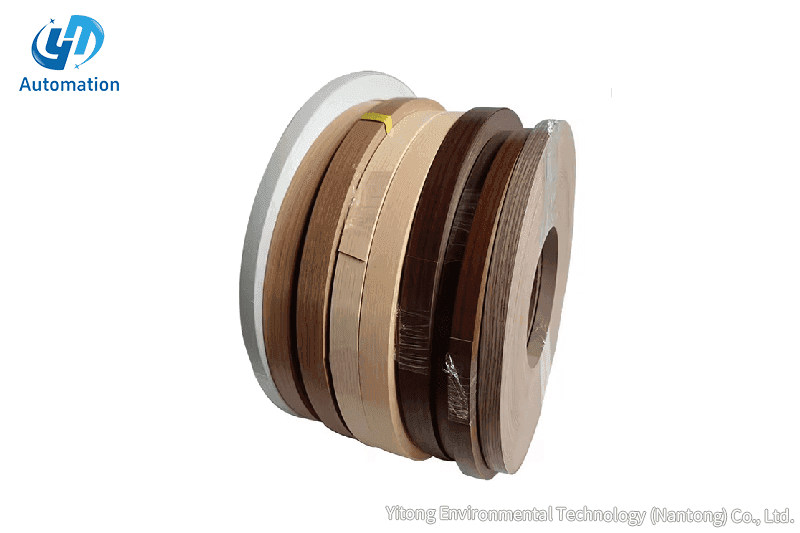
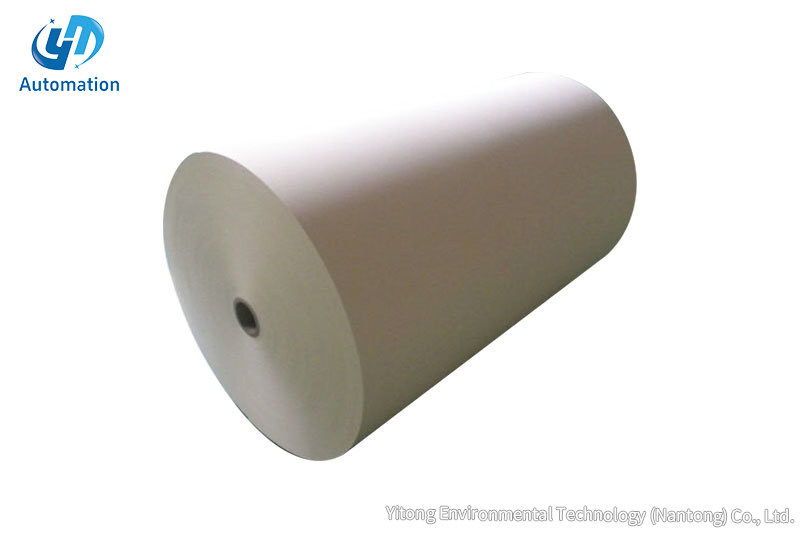
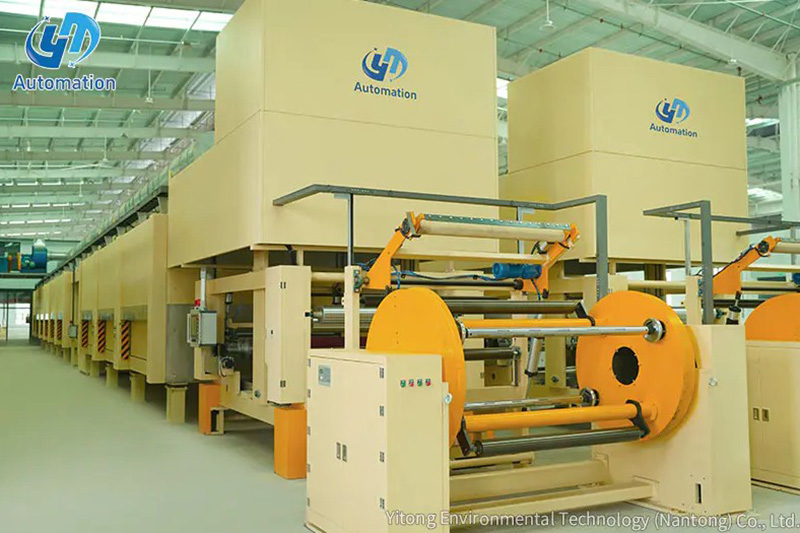
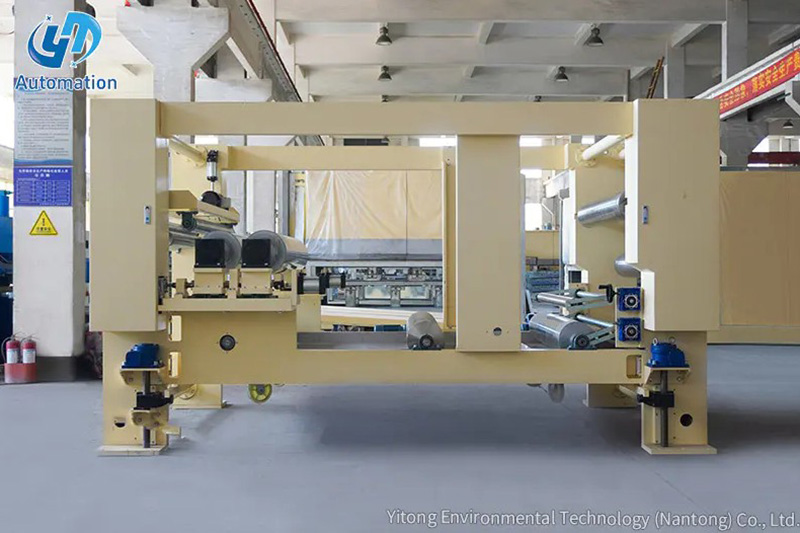
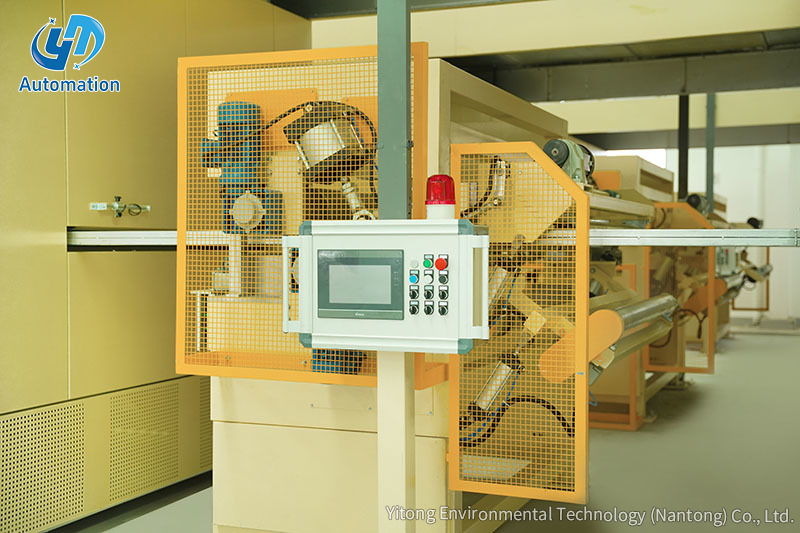
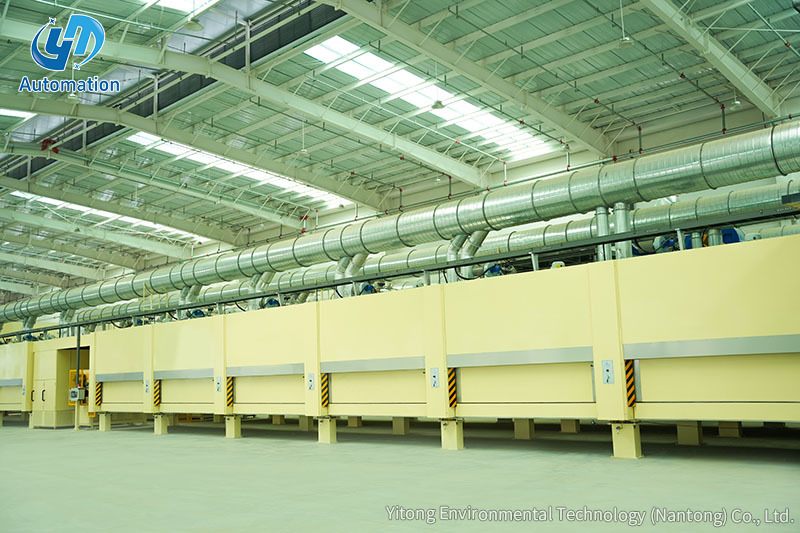
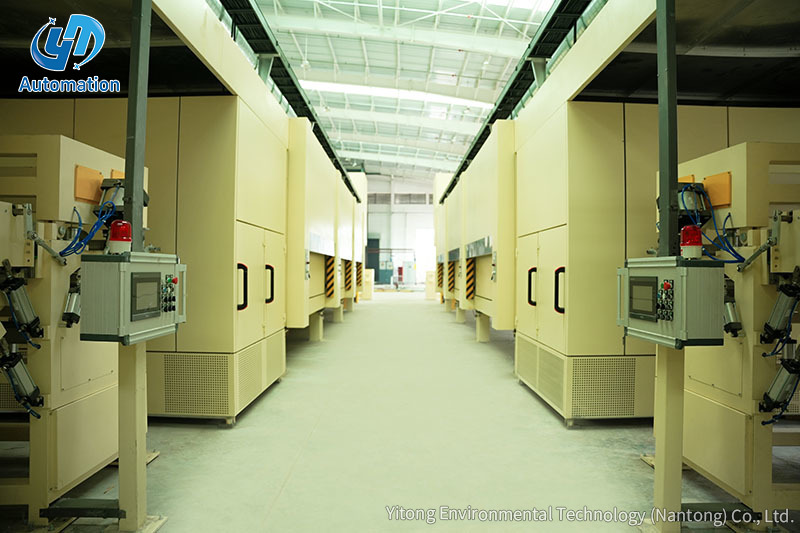
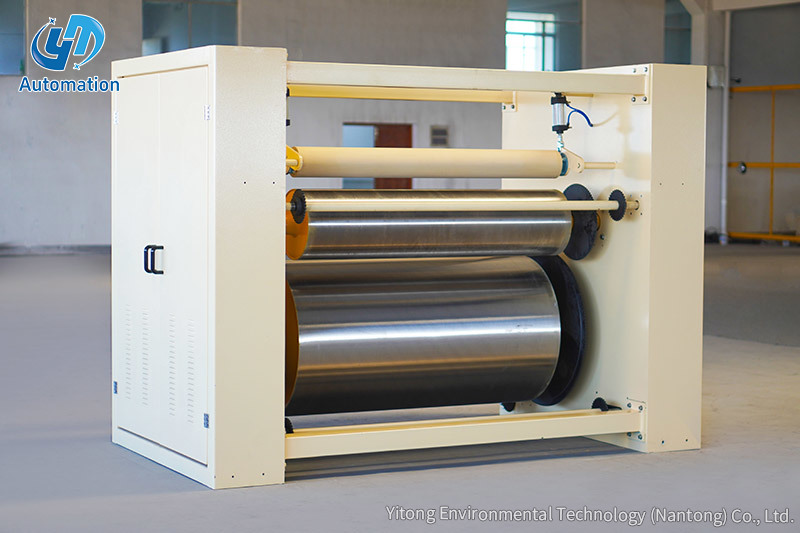
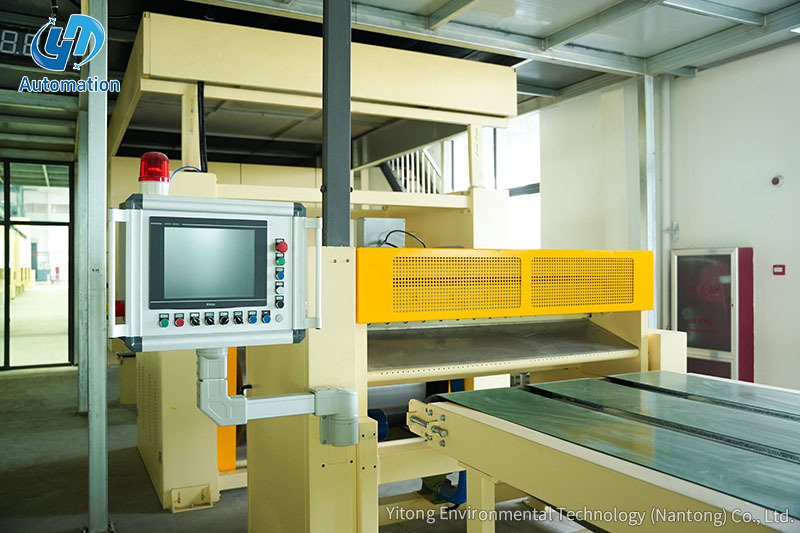
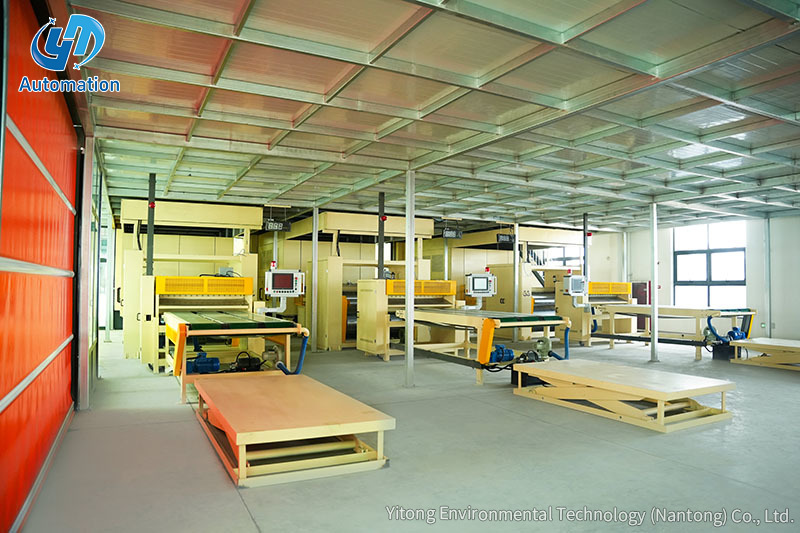
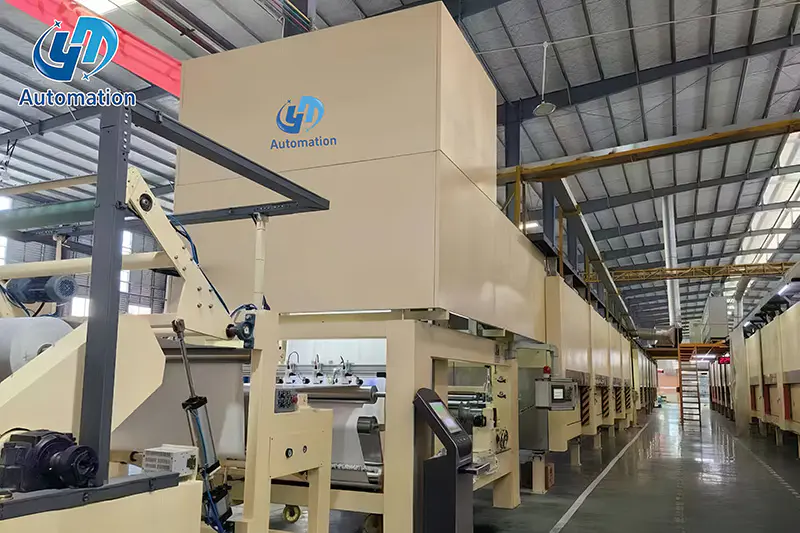
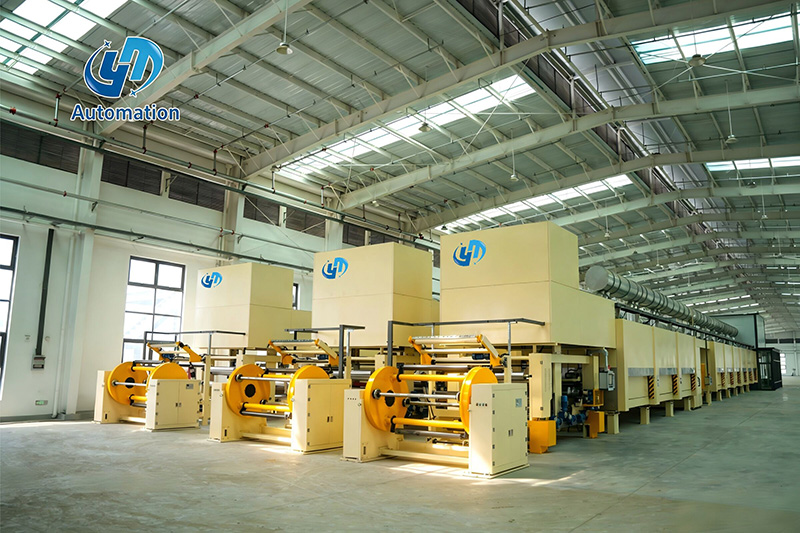
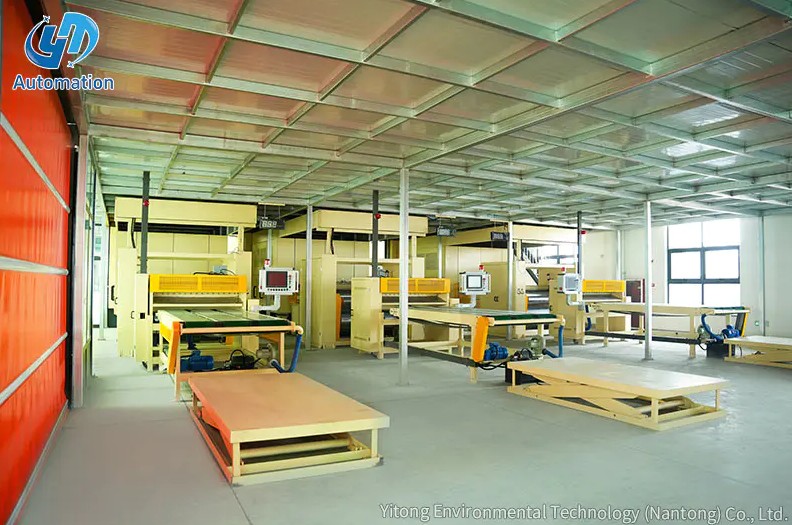
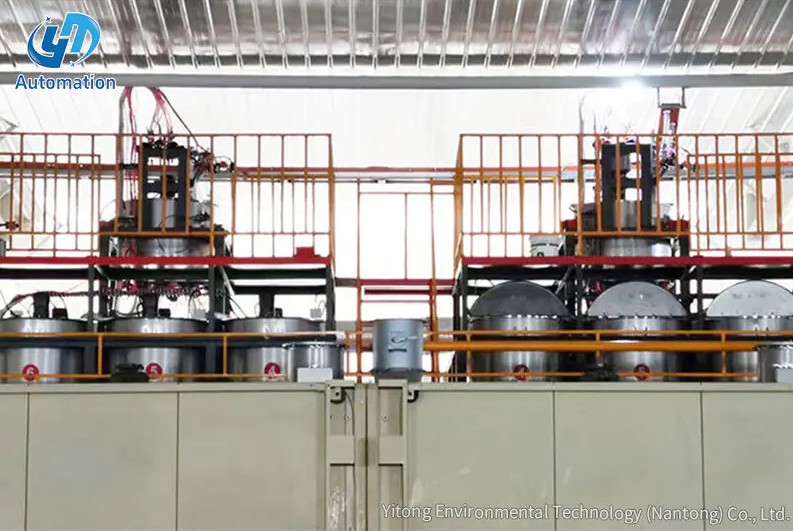
An impregnation line is a production system that immerses product surfaces in a specific liquid (such as coatings, chemical solutions, resins, etc.) to achieve coating, reinforcement, protection, or other functional purposes. This production method is widely used in industries such as electronic components, metal surface treatment, paper product processing, and wood preservation. Choosing the right impregnation line for your products can not only improve production efficiency and ensure product quality but also reduce costs and resource waste. So, how do you choose the right impregnation line for your products?
1. Clarify Product Characteristics and Processing Needs
Each product has different characteristics, and the needs for impregnation treatment also vary. To choose a suitable impregnation line, you must first understand your product characteristics and clarify your processing needs.
Product Material: Different materials require different types of impregnation processes. For example, metal materials may require pickling or anti-corrosion coatings, while electronic components require moisture-proof coatings or protective films. Different materials also have different requirements for temperature, humidity, and impregnation liquids.
Processing Purpose: Determine the main purpose of the impregnation treatment: coating, surface protection, impregnation penetration, dust removal, or chemical reaction. Different purposes require different configurations of the impregnation line.
Product Size and Shape: The size, shape, and structure of the product will directly affect the design of the impregnation line. For example, for larger or more complex products, a customized impregnation line may be needed to ensure that the liquid can completely cover or penetrate the product.
2. Choose the Right Impregnation Liquid and Method
The core of the impregnation line is the liquid impregnation process, and the type, concentration, and method of the liquid will affect the final effect. Therefore, choosing the right impregnation liquid and method is crucial.
Liquid Type: Common impregnation liquids include coatings, resins, chemical solutions, lubricants, etc. When choosing, you need to consider the viscosity, volatility, drying time, and other characteristics of the liquid. For example, for the impregnation of electronic components, a resin with strong conductivity or a waterproof coating may be used; while for metal surfaces, anti-corrosion coatings or plating solutions are commonly used.
Impregnation Method: Impregnation methods mainly include complete immersion, partial immersion, spray impregnation, etc. Choosing the appropriate impregnation method depends on the size and shape of the product and the properties of the liquid. For example, for thin sheets or small parts, complete immersion may be more efficient; while for larger products or those requiring precise coating, spray immersion may be more suitable.
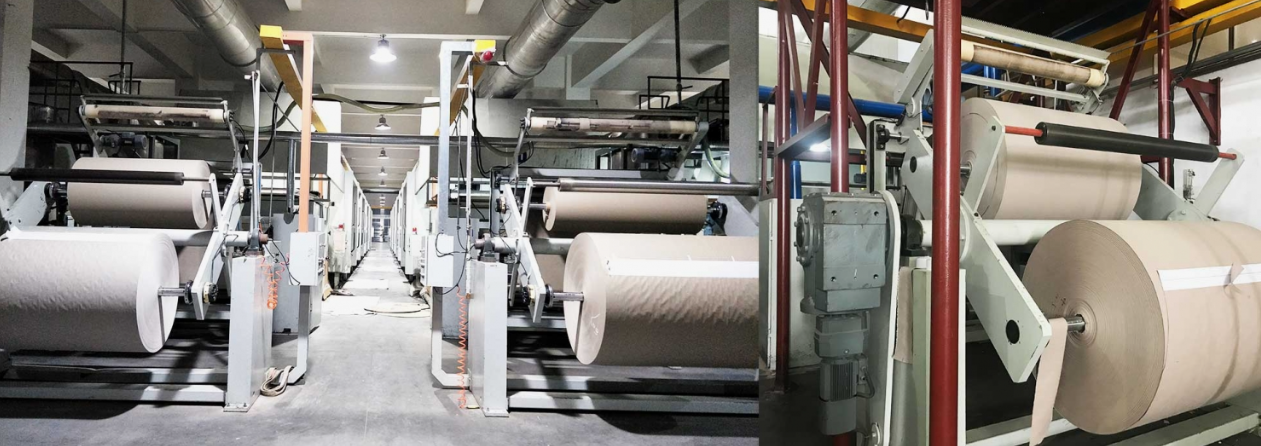
3. Consider the level of automation of the production line
With the advancement of technology, the level of automation in immersion production lines is increasing. Choosing the appropriate level of automation can significantly improve production efficiency and reduce errors caused by manual operation.
Fully automated production line: For large-scale production, choosing a fully automated immersion production line can greatly improve production efficiency. Automated equipment can precisely control immersion time, temperature, and the concentration of the immersion liquid, ensuring consistent immersion results for every product.
Semi-automatic production line: If the production scale is small or there are many product types, a semi-automatic production line may be a compromise. Semi-automatic production lines usually allow for manual adjustment of some parameters as needed, offering greater flexibility while also reducing initial investment costs.
Manual production line: For small-batch, diversified production, a manual production line may be more flexible and economical. Although operating costs are higher, for some customized products or low-volume production, a manual production line is sufficient to meet the needs.
4. Evaluate the efficiency and energy consumption of the production line
The efficiency of the immersion production line directly affects production costs and delivery times. Choosing a production line that optimizes the production process and improves efficiency is crucial. At the same time, with the increasing awareness of environmental protection and energy saving, the energy consumption of the production line is also an important consideration.
Production efficiency: When choosing an efficient production line, factors such as immersion speed, liquid recycling, and drying speed should be considered. Higher efficiency reduces waiting times, increases production per unit of time, and lowers production costs.
Energy consumption: Immersion production lines require control of liquid heating, drying processes, etc., consuming a certain amount of energy. Choosing low-energy, high-efficiency equipment can reduce energy waste during the production process and improve economic efficiency.
5. Ease of cleaning and maintenance of the equipment
During the use of the immersion production line, the liquid may cause deposits or contamination on the equipment, making regular cleaning and maintenance very important. The ease of cleaning and maintenance of the equipment is also a factor to consider when choosing a production line.
Equipment design: Equipment design should consider the convenience of cleaning and maintenance. For example, easily removable parts, a design without dead ends, and a smooth liquid circulation system can make cleaning more efficient. Automatic Cleaning Function: Some modern impregnation production lines are equipped with an automatic cleaning function, which can automatically clean the equipment after production, reducing the time and effort required for manual cleaning and maintaining the efficient operation of the production line.
Choosing the right impregnation production line for your products is a comprehensive decision that requires evaluating multiple factors, including product characteristics, production needs, equipment efficiency, budget, and technical support. A wise choice can improve production efficiency, ensure product quality, and reduce overall costs.
Contact Us
Recommended Products
Let’s Get In
Touch
Yitong Environmental Technology (Nantong) Co., Ltd is a manufacturer specializing in impregnation equipment.


Contact Us
Phone: 13073202297 / 13023568111(WhatsApp/Wechat)
Email: [email protected] / [email protected]
Add:No.369, Nanhai Road, Tongzhou Bay, Nantong, Jiangsu, China


 English
 中文简体
中文简体
 русский
 عربى
عربى